
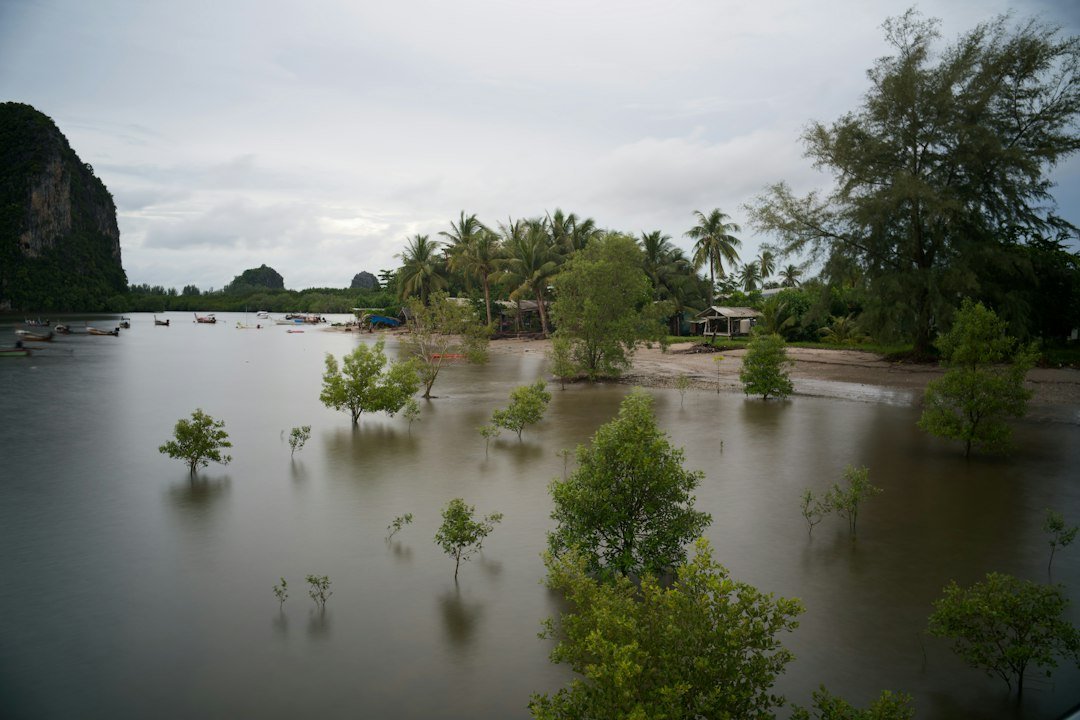
Fish catches have doubled for fishers working the coast of Balanga City in Bataan province, the Philippines, since mangroves restored along the shoreline began acting as a natural barrier against flooding and storm waves, according to local officials. The Philippine News Agency reported on 3 November that the trees are now credited with both reviving the area’s fisheries and protecting homes during typhoon season.
Benjie Manuel, a fisher in the area, said his household income had more than doubled as fish yields improved, and that the restored mangroves shielded his village from strong waves during recent typhoons. Residents who previously faced regular flooding at high tide are now largely free of it, according to local accounts, with the mangrove roots also providing breeding and nursery grounds for fish and other marine species along the shallow coastline.
Jaime Buenaventura, chair of the City Fishery and Aquatic Resources Management Council, said past cutting of the mangroves had been the cause of both the high-tide flooding and the earlier decline in fish stocks, a link that has driven the city’s restoration effort over recent years.

Balanga mangroves and the national flood plan
Environment Secretary Juan Miguel Cuna has inspected the Balanga Wetland and Nature Park, linking the project to the government’s wider response to climate change and to President Ferdinand Marcos Jr’s November 2024 directive ordering a revision of the country’s national flood control master plan. The Bataan project is one of a number of coastal restoration sites across the Philippines that national planners now cite as evidence that nature-based flood defences can work alongside, or in some cases replace, concrete sea walls and drainage works.
Fisheries and flood defence, tied together
Neither the Philippine News Agency’s report nor city officials gave a figure for the number of hectares replanted or the baseline catch volume against which the doubling was measured, so the recovery is described only in relative terms. Local accounts credit the mangroves with two benefits at once: a buffer against storm surge and a nursery for the fish stocks that coastal households depend on.
Mangrove loss has been a persistent problem along the Philippines’ coastlines for decades, driven by conversion to fishponds, aquaculture and coastal development, and the country has lost a significant share of its original mangrove cover as a result. Balanga’s experience, as officials describe it, suggests that restoration can pay off on both fronts within a few years, though the city has not said how it plans to protect the regrown trees from the same pressures that cleared them in the first place.
A similar debate is running in Africa, where conservationists argue that how protected areas are designed, and for whom, decides whether restoration delivers lasting benefits to the communities living alongside them.


