In my study, “Analysis of Indigenous Communication Approaches for Climate Change Mitigation and Adaptation among Rural Farmers in FCT-Abuja, Nigeria,” published in the Lokoja Journal of Information Science Research, I explored how six rural communities in Nigeria’s Federal Capital Territory (FCT) are responding to the climate crisis through long-standing indigenous knowledge systems.

In Kawu, a rural farming community in Bwari Area Council of the FCT, I encountered farmers who are adapting to climate change not through donor-driven projects or government campaigns, but by drawing from intergenerational wisdom. Their practices—rooted in ancestral observation and oral traditions—often outperform those promoted by conventional extension services.

For example, in 2022, when they observed shifting rainfall patterns, farmers in Kawu adjusted their maize planting calendar two weeks earlier. This decision was not made based on meteorological forecasts, but on ecological cues: bird migrations, wind direction, and changes in soil texture.

A group of farmers engaged in a discussion under a shade in a rural community, sharing knowledge and experiences related to climate adaptation.In my study, “Analysis of Indigenous Communication Approaches for Climate Change Mitigation and Adaptation among Rural Farmers in FCT-Abuja, Nigeria,” published in the Lokoja Journal of Information Science Research, I explored how six rural communities in Nigeria’s Federal Capital Territory (FCT) are responding to the climate crisis through long-standing indigenous knowledge systems.

Their approach to climate knowledge is deeply communal. Adaptation insights are exchanged in informal evening gatherings where older farmers mentor younger ones using native languages, metaphors, and locally grounded logic. Communication is built on trust, not institutional campaigns. It is participatory, relational, and embedded within everyday life.

As Mr. Iliya, a respected farmer, poignantly told me: “The government and NGOs keep shouting on the radio about climate change. But they don’t know it like we do. We’ve lived it for years. They should stop shouting and come to us for real solutions.”

Yet, these locally driven responses remain invisible in climate policy frameworks. They are excluded from donor baselines, absent in national adaptation plans, and overlooked in formal documentation. This neglect is not just a policy gap—it is a form of epistemic injustice.

What my fieldwork revealed is this: the failure to recognize and support community-led adaptation systems is one of the greatest blind spots in climate action. Rural farmers are not waiting for permission or funding; their solutions are already in motion. What’s missing is a development architecture willing to recognize, integrate, and elevate these systems for broader sustainability.

In my study, “Analysis of Indigenous Communication Approaches for Climate Change Mitigation and Adaptation among Rural Farmers in FCT-Abuja, Nigeria,” published in the Lokoja Journal of Information Science Research, I explored how six rural communities in Nigeria’s Federal Capital Territory (FCT) are responding to the climate crisis through long-standing indigenous knowledge systems.
Photo by Solomon Onyeagoro on Pexels.com

To build truly effective and lasting climate responses, we must move beyond extractive awareness campaigns. We must replace top-down messaging with participatory communication that empowers communities to speak for themselves, shape decisions, and co-own solutions.

More fundamentally, this calls for a shift in how we perceive knowledge. Rural communities do not merely need information—they need recognition. Their knowledge systems are not primitive; they are adaptive, resilient, and rooted in environmental mastery. Ignoring them is not just counterproductive—it is a disservice to climate justice.

As a development communication scholar and practitioner, I continually emphasize—especially to NGOs and researchers—that one of our core tasks in Africa is to deconstruct the narrow, Western definitions of literacy that dominate mainstream discourse. To label communities as “illiterate” because they lack formal education is not only inaccurate, it is deeply disrespectful.

These communities hold deep expertise—in agriculture, medicine, environmental management, conflict resolution, and spirituality. They are not just knowledgeable; they are strategic allies and essential stakeholders in any intervention meant to serve them.

If climate justice is our goal, then communicative justice must be our foundation. And that begins by valuing what communities already know.

Audu Liberty Oseni is the Director, Centre for Development Communication and Convener, OseniDevTalks. He is a passionate and results-driven Development Communication Leader with over a decade of experience designing and implementing communication-based solutions for sustainable development. Email: libertydreat@gmail.comLinkedIn


ദി ഫോർത്ത് പ്ലേറ്റിൽ നിന്ന് കൂടുതൽ കണ്ടെത്തുക

ഏറ്റവും പുതിയ പോസ്റ്റുകൾ നിങ്ങളുടെ ഇമെയിലിലേക്ക് ലഭിക്കാൻ സബ്സ്ക്രൈബ് ചെയ്യുക.

നിങ്ങളുടെ അഭിപ്രായങ്ങൾ രേഖപ്പെടുത്തുക

ട്രെൻഡിംഗ്

സാമ്പത്തിക സാക്ഷരത, ഇസ്ലാമിക ധനകാര്യം, സുസ്ഥിര കാർഷിക വികസനത്തിന്റെ ഭാവി

കാർഷിക ഉൽപ്പാദനക്ഷമതയും സാമ്പത്തിക പ്രതിരോധശേഷിയും മെച്ചപ്പെടുത്തുന്നതിൽ സാമ്പത്തിക സാക്ഷരത ഒരു നിർണായക ഘടകമായി കൂടുതലായി അംഗീകരിക്കപ്പെട്ടിട്ടുണ്ട്. ശക്തമായ സാമ്പത്തിക സാക്ഷരതയുള്ള കർഷകർക്ക് വിഭവങ്ങൾ കാര്യക്ഷമമായി കൈകാര്യം ചെയ്യാനും, ഉത്തരവാദിത്തത്തോടെ വായ്പകൾ നേടാനും, ദീർഘകാല കാർഷിക വികസനത്തിൽ നിക്ഷേപിക്കാനും കൂടുതൽ സാധ്യതയുണ്ട്.

കുള്ളുന്ന ബാബു: ശ്രീ മണിശങ്കർ അയ്യർക്കും ഡോ. ​​ശശി തരൂരിനും ഒരു തുറന്ന കത്ത്

ഞങ്ങൾ ഇരിക്കുന്നിടത്ത് നിന്ന് നോക്കുമ്പോൾ, യുദ്ധത്തെക്കുറിച്ചുള്ള നിങ്ങളുടെ ബൗദ്ധിക തർക്കം അങ്ങേയറ്റം അപമാനകരമാണ്.

ഹോർമുസ് കടലിടുക്ക് ശ്വാസംമുട്ടുമ്പോൾ, നിങ്ങളുടെ വൃത്തങ്ങളിലുള്ള ആളുകൾ സാമ്രാജ്യത്വത്തിന്റെ ധാർമ്മികതയെക്കുറിച്ച് ചർച്ച ചെയ്യാൻ അഭിപ്രായങ്ങൾ എഴുതുകയും ടെലിവിഷൻ പാനലുകളിൽ പ്രത്യക്ഷപ്പെടുകയും ചെയ്യുന്നു.

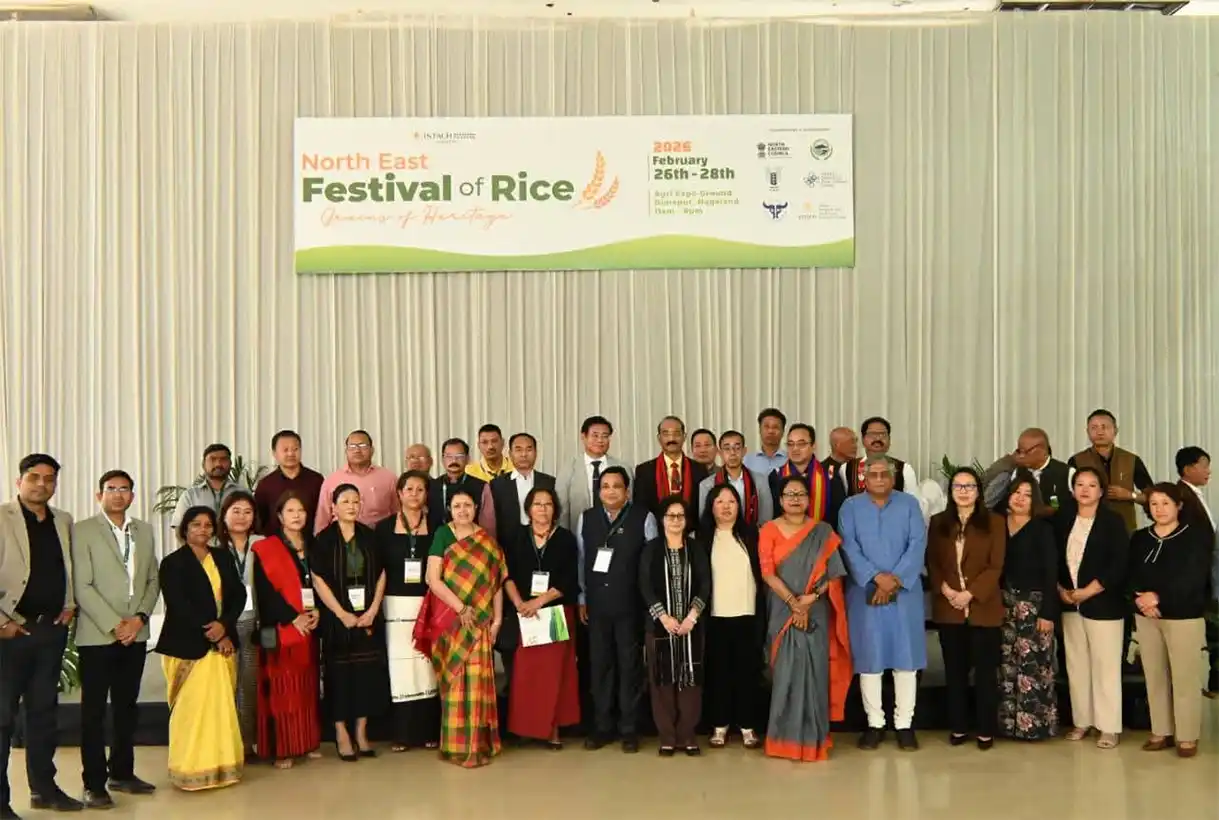
പൈതൃക ധാന്യങ്ങൾ: ഇന്ത്യയുടെ വടക്കുകിഴക്കൻ മേഖലയിലെ അരിയുടെയും സംസ്കാരത്തിന്റെയും സമൂഹത്തിന്റെയും ആഘോഷം.

ഈ ഉത്സവം ഭൂതകാലത്തിന്റെ ആഘോഷം മാത്രമായിരുന്നില്ല; ഭാവിയിലേക്കുള്ള ഒരു വ്യക്തമായ ആഹ്വാനമായിരുന്നു. "ഭക്ഷ്യ-കാലാവസ്ഥ-വിപണി അവിഭാജ്യ ബന്ധത്തെ ശക്തിപ്പെടുത്തുന്നതിന് തദ്ദേശീയ നെല്ലിന്റെ ജനിതക വൈവിധ്യം ഉപയോഗപ്പെടുത്തൽ" എന്ന രണ്ട് ദിവസത്തെ സെമിനാർ കാലാവസ്ഥാ വ്യതിയാനത്തിന്റെ ഗുരുതരമായ വെല്ലുവിളികളെയും കാലാവസ്ഥാ-പ്രതിരോധശേഷിയുള്ള കാർഷിക രീതികളുടെ നിർണായക ആവശ്യകതയെയും മുന്നോട്ടുവച്ചു. 

വർക്കലയുടെ 'സീറോ വേസ്റ്റ്' കിരീടം: മാതൃകയോ അതോ സൗകര്യപ്രദമായ ലേബലോ?

ബാംഗ്ലൂർ (10 ദശലക്ഷം), ഡാക്കർ (5 ദശലക്ഷം) തുടങ്ങിയ നിരവധി വലിയ നഗരങ്ങളും പട്ടികയിലുണ്ടെങ്കിലും, വർക്കലയുടെ സാധ്യതകൾ ഉൾപ്പെടുത്തൽ പ്രധാനമാണ്, കാരണം ചെറിയ പട്ടണങ്ങളിലോ ഗ്രാമങ്ങളിലോ മാത്രമല്ല, ജനസാന്ദ്രതയുള്ള ഒരു മുനിസിപ്പാലിറ്റിയിൽ സമഗ്രമായ മാലിന്യ സംസ്കരണ സംവിധാനം ഫലപ്രദമായി നടപ്പിലാക്കാൻ കഴിയുമെന്ന് ഇത് തെളിയിക്കുന്നു.

 വിപണിയിലേക്കുള്ള സിഗ്നലുകൾ: വ്യാവസായികവൽക്കരണത്തെക്കുറിച്ച് നൈജീരിയയിലെ ഒൻഡോ സംസ്ഥാനം എന്താണ് പറയുന്നത്

കാർഷിക ബിസിനസിനെ സംബന്ധിച്ചിടത്തോളം, അടിസ്ഥാന സൗകര്യങ്ങൾ മത്സരക്ഷമതയെ നിർണ്ണയിക്കുന്നു. കാര്യക്ഷമമായ ഗതാഗതം വിളവെടുപ്പിനു ശേഷമുള്ള നഷ്ടം കുറയ്ക്കുന്നു. ഡിജിറ്റൽ കണക്റ്റിവിറ്റി കണ്ടെത്തൽ, വിപണി പ്രവേശനം എന്നിവ സുഗമമാക്കുന്നു. ഈ അടിത്തറകളില്ലാതെ, നന്നായി രൂപകൽപ്പന ചെയ്ത കാർഷിക നിക്ഷേപങ്ങൾ പോലും സുസ്ഥിരമായി അളക്കാൻ പാടുപെടുന്നു. 

വിദ്യാഭ്യാസ മേഖലയുടെ ഹരിതവൽക്കരണത്തിനായി സുസ്ഥിര സ്കൂളുകൾ നിർമ്മിക്കാൻ ആഹ്വാനം ചെയ്ത് എമിറേറ്റ്സ് ജിബിസിയും യുനെസ്കോ ജിഇപി സുസ്ഥിര സ്കൂൾ ബിൽഡിംഗ് ഗൈഡൻസ് ബുക്ക്ലെറ്റ് ചാമ്പ്യന്മാരും

പ്രധാന പങ്കാളികൾക്ക് സുസ്ഥിര സ്കൂൾ ബിൽഡിംഗ് ഗൈഡൻസ് ബുക്ക്‌ലെറ്റ് പരിചയപ്പെടുത്തുന്നതിനായി എമിറേറ്റ്‌സ് ജിബിസി വിവിധ റൗണ്ട് ടേബിളുകളും വെബിനാറുകളും സംഘടിപ്പിക്കുന്നു.

മരവും വഴിയരികിലെ കല്ലും ആരാധനാലയമാകുമ്പോൾ: പ്രകൃതിയിൽ നിന്നുള്ള നിരീക്ഷണങ്ങൾ.

എല്ലാ സംസ്കാരങ്ങളിലും, പ്രകൃതി ആരാധന എണ്ണമറ്റ രൂപങ്ങളിൽ നിലനിന്നിട്ടുണ്ട്. ഒരുപക്ഷേ അത് അന്ധവിശ്വാസമല്ല, മറിച്ച് തദ്ദേശീയ ജ്ഞാനമായിരിക്കാം - പരസ്പരാശ്രിതത്വത്തെക്കുറിച്ചുള്ള അവബോധജന്യമായ ധാരണ.

സാലുമരാട തിമ്മക്കയുടെ സമാനതകളില്ലാത്ത ജീവിതത്തെയും പാരമ്പര്യത്തെയും ആദരിക്കുന്നു

2025 നവംബർ 14 ന് തെക്കൻ ബാംഗ്ലൂരിലെ ഒരു ആശുപത്രിയിൽ വച്ച് തിമ്മക്ക മരിക്കുമ്പോൾ അവർക്ക് 114 വയസ്സായിരുന്നു, എന്നാൽ കുട്ടികളില്ലാത്തതിന്റെ പേരിൽ നേരിട്ട അപമാനത്തിൽ നിന്ന് മുക്തി നേടാൻ അവളും ചിക്കയ്യയും മരങ്ങൾ നടാൻ തുടങ്ങിയപ്പോൾ അവർക്ക് 37 വയസ്സ് മാത്രമേ ഉണ്ടായിരുന്നുള്ളൂ.

വൈദ്യുതി, ഹരിത ഹൈഡ്രജൻ, ശുദ്ധജലം എന്നിവ ഉൽപ്പാദിപ്പിക്കുന്നതിനുള്ള ബ്രേക്ക്‌ത്രൂ ഇന്റഗ്രേറ്റഡ് സോളാർ-ഡ്രൈവൺ സൊല്യൂഷൻ അവതരിപ്പിക്കുന്നു ഔറക് ഗവേഷകൻ 

പ്രശസ്തമായ പ്രോസസ് സേഫ്റ്റി ആൻഡ് എൻവയോൺമെന്റൽ പ്രൊട്ടക്ഷൻ ജേണലിൽ ഓൺലൈനായി പ്രസിദ്ധീകരിച്ച ഈ പഠനം, നഗര പരിതസ്ഥിതികളിലെ ഊർജ്ജ ഉപയോഗം ഗണ്യമായി വർദ്ധിപ്പിക്കുന്നതിനും പരമ്പരാഗത ഊർജ്ജ സംവിധാനങ്ങളുമായി ബന്ധപ്പെട്ട നഷ്ടങ്ങൾ കുറയ്ക്കുന്നതിനും രൂപകൽപ്പന ചെയ്ത ഒരു നൂതന മൾട്ടി-ജനറേഷൻ കോൺഫിഗറേഷൻ അവതരിപ്പിക്കുന്നു.

ഉച്ചഭക്ഷണം തിരിച്ചുപിടിക്കൽ: മുഹമ്മദ് ഹദീസ് ഹുസൈൻ എങ്ങനെയാണ് ഒരു 'കൃഷി മലയാളം' വളർത്തിയെടുക്കുന്നത്

കുടുംബശ്രീ മിഷൻ സംഘടിപ്പിക്കുന്ന അയൽപക്ക തലത്തിലുള്ള കുട്ടികളുടെ കൂട്ടായ്മയായ ബാലസഭയിലെ അംഗമെന്ന നിലയിൽ, മുഹമ്മദ് 4.3 ലക്ഷത്തിലധികം കുട്ടികളെ സമൂഹത്തിലെ പ്രശ്നങ്ങൾ പരിഹരിക്കുന്നതിന് ശാക്തീകരിക്കുന്ന ഒരു പ്രസ്ഥാനത്തിന്റെ ഭാഗമാണ്.

എന്തോ കുഴപ്പം സംഭവിച്ചു. പേജ് പുതുക്കിയെടുക്കുക അല്ലെങ്കിൽ വീണ്ടും ശ്രമിക്കുക.

ദി ഫോർത്ത് പ്ലേറ്റിൽ നിന്ന് കൂടുതൽ കണ്ടെത്തുക

വായന തുടരാനും പൂർണ്ണ ആർക്കൈവിലേക്ക് ആക്‌സസ് നേടാനും ഇപ്പോൾ സബ്‌സ്‌ക്രൈബ് ചെയ്യുക.

വായന തുടരുക