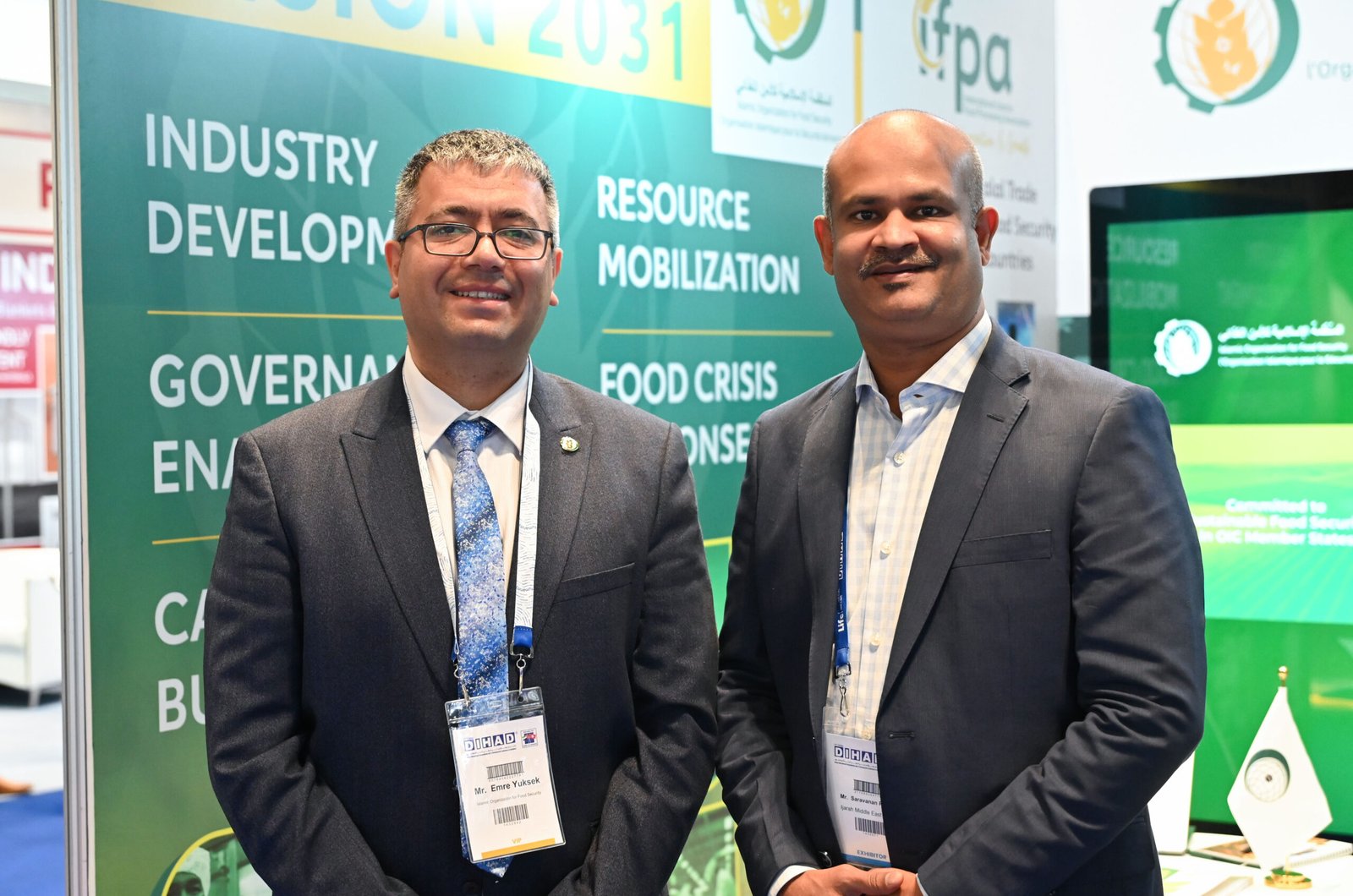

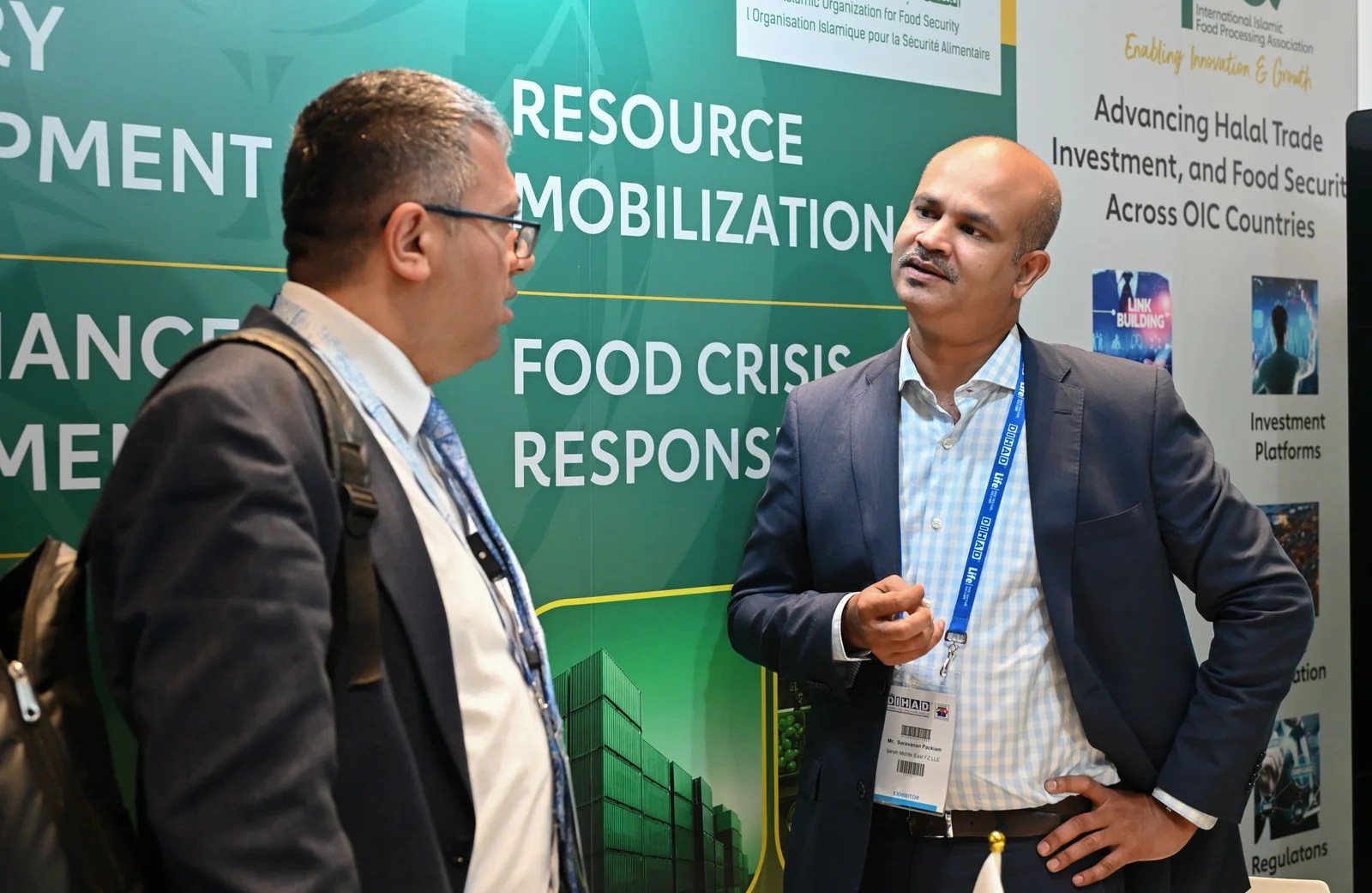
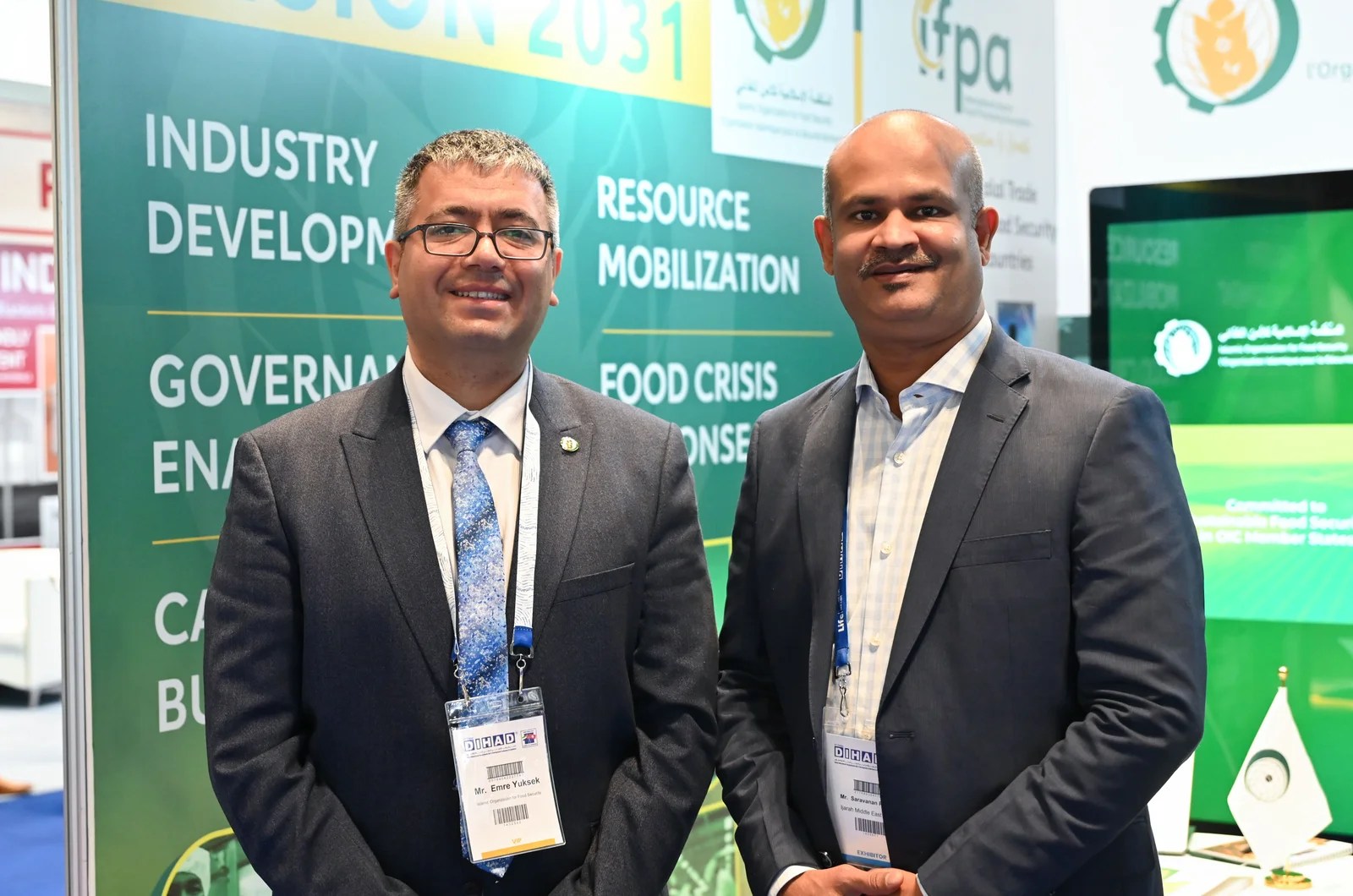
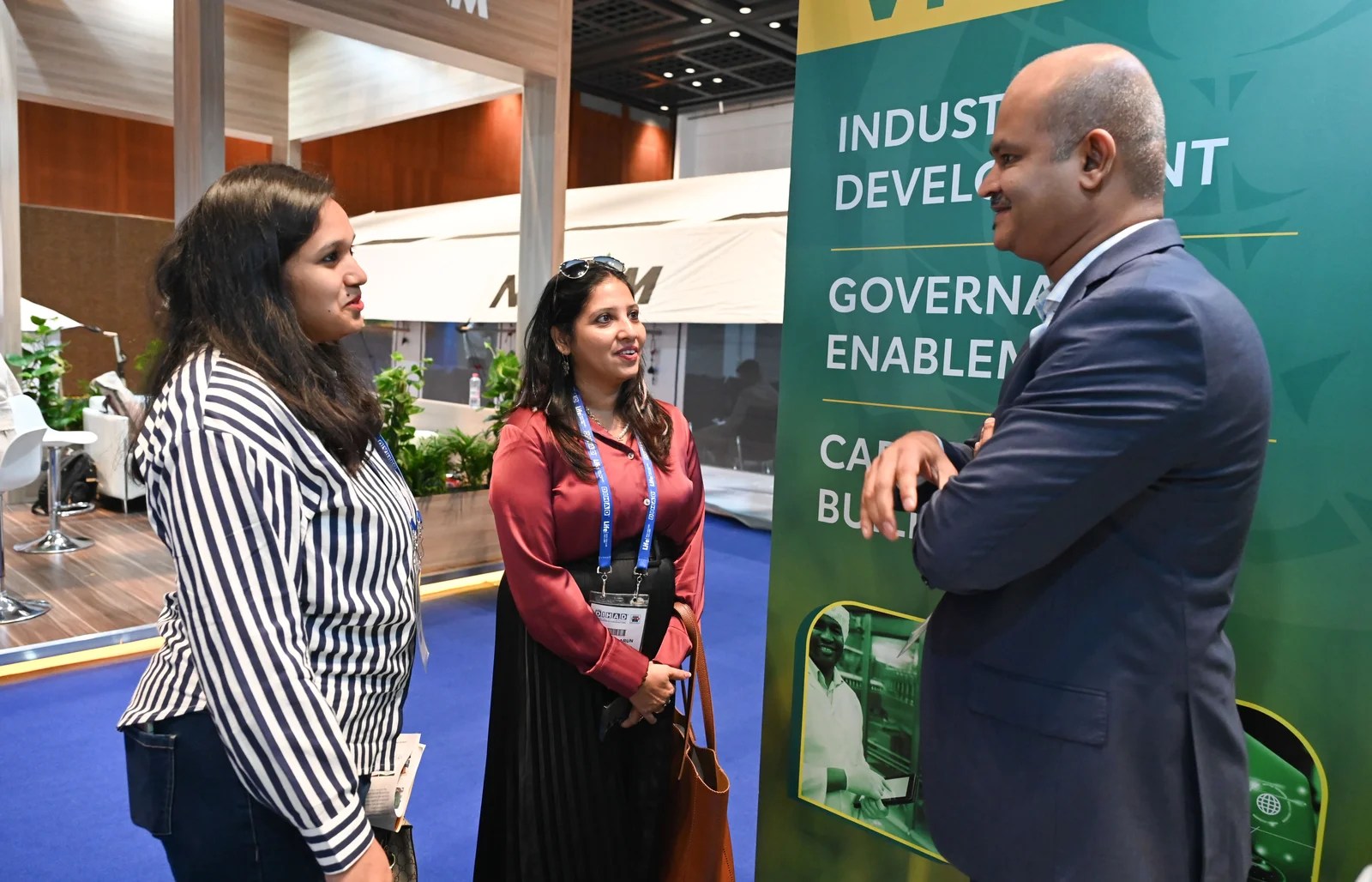
The Islamic Organization for Food Security (IOFS) underlined its commitment to humanitarian action and sustainable development at the 21st Dubai International Humanitarian Aid and Development (DIHAD) Conference and Exhibition.
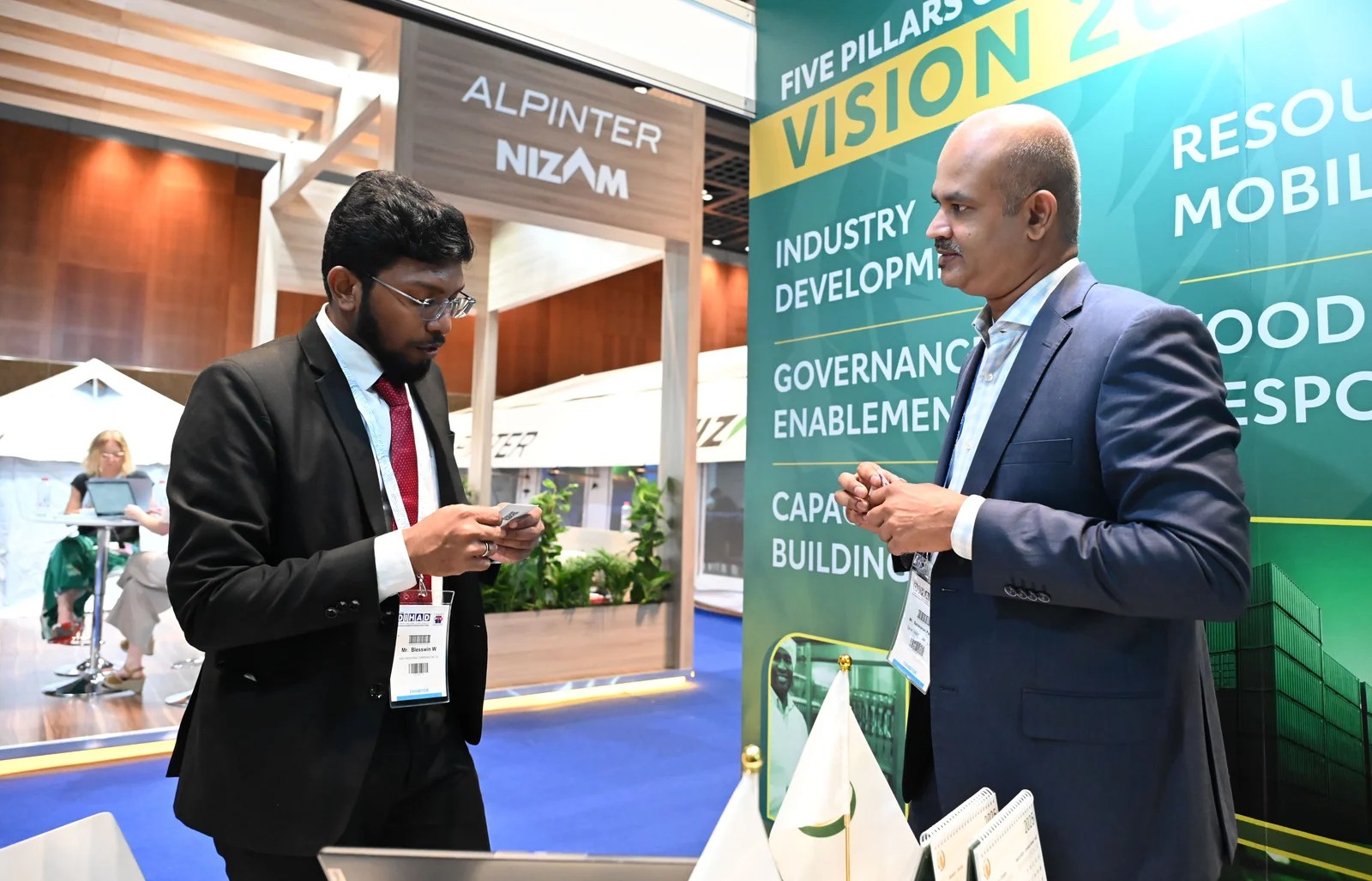
For the third consecutive year, IOFS’s exhibition booth drew significant attention from international NGOs, private sector representatives, government officials, and humanitarian experts, highlighting its flagship programs including the Afghanistan Food Security Program and the “Flour for Humanity” initiative supporting Gaza.
The prestigious event, under the patronage of His Highness Sheikh Mohammed bin Rashid Al Maktoum, Vice President and Prime Minister of the UAE and Ruler of Dubai, was inaugurated by Her Highness Sheikha Latifa bint Mohammed.
The event welcomed key humanitarian leaders, NGOs, UN agencies, government representatives, and private sector partners to address global humanitarian challenges under the theme “Humanitarian Aid and Development in a Polarised World.”
IOFS’s subsidiary, the International Islamic Food Processing Association (IFPA), co-exhibited at the IOFS booth, emphasizing private sector engagement in humanitarian initiatives. IFPA CEO, Mr. Saleh Lootah, highlighted the importance of building sustainable ecosystems and commended the UAE’s support for humanitarian organizations.

“Today, it is important that we move beyond traditional aid models towards sustainable, market-driven solutions,” said Lootah. “The private sector has a crucial role to play in transforming how we address food security challenges, and Dubai has proven to be an exemplary hub for fostering such innovative partnerships.”
He also announced the upcoming Global Food Security Summit (GFSS) in Abu Dhabi, October 2025, which will focus on innovative financing and collaborative partnerships.
“Following the remarkable success of our inaugural summit, which brought together over 3,000 stakeholders and resulted in strong and tangible commitments in food security initiatives, GFSS 2025 is poised to achieve even greater impact,” Lootah added. “IOFS and IFPA are uniquely positioned to bridge the gap between humanitarian needs and market-based solutions, leveraging its extensive network of member states and private sector partners to drive meaningful change in global food security.”
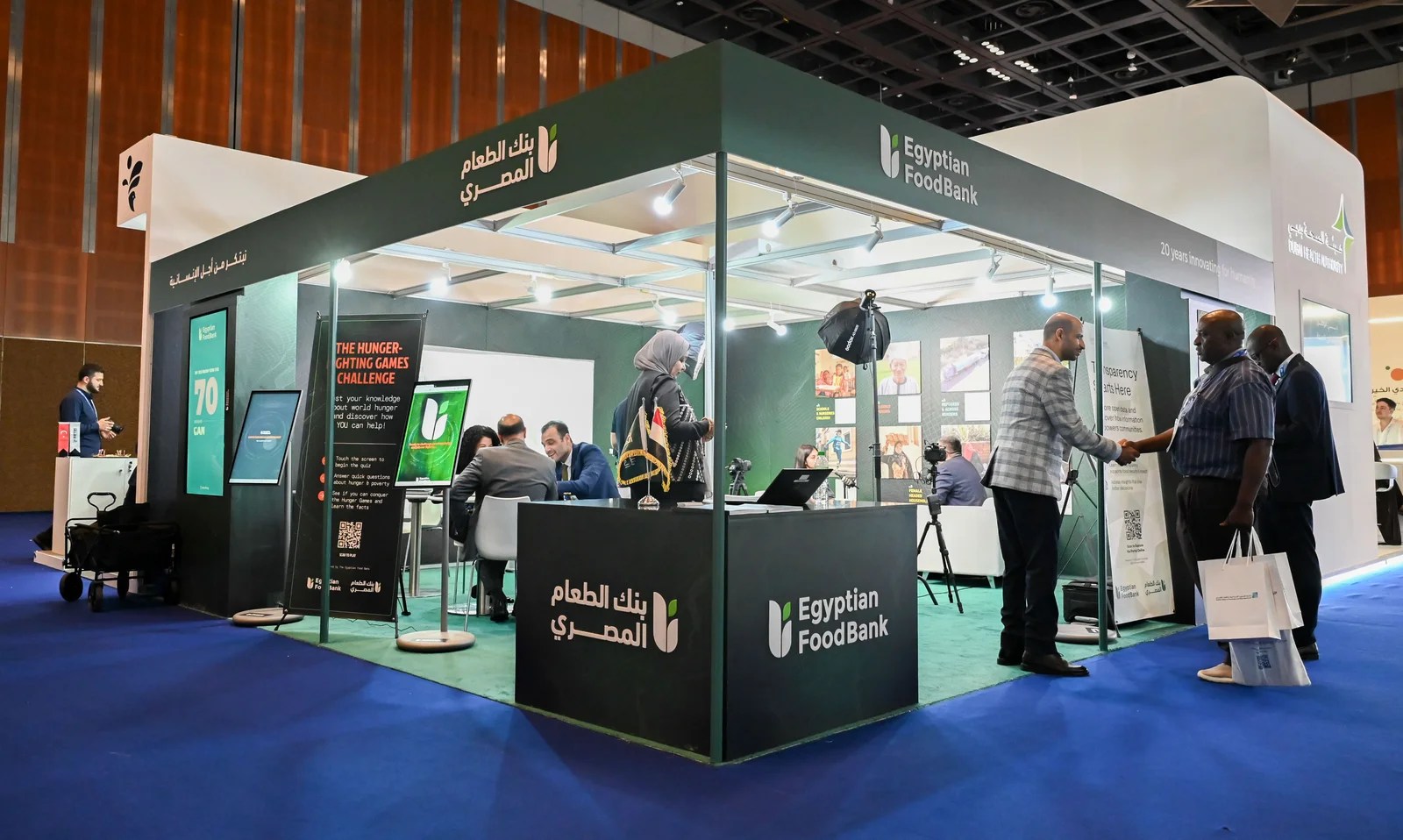
During the event, IOFS representatives engaged actively with humanitarian stakeholders, exploring new partnerships, including promising discussions with the Egyptian Food Bank.
Mr. Emre Yuksek, IOFS Humanitarian Operations Officer, shared valuable insights about the organization’s innovative approaches during a podcast session titled “Innovation for Humanity.”
The conference agenda was structured around five strategic pillars: Sustainability, Empowerment, Partnership, Education, and Innovation.
Abdulsalam AlMadani, Chairman of DIHAD Sustainable Humanitarian Foundation, emphasized DIHAD’s continuous role as a premier global platform for dialogue, collaboration, and tangible humanitarian actions. Ahmed Al Muhairi, Secretary-General of DIHAD, highlighted the event’s role in fostering global cooperation and practical solutions for communities affected by crises.
A significant moment of the conference was the presentation of the DIHAD International Personality Award for Humanitarian Relief 2025 to Kate Forbes, President of the International Federation of Red Cross and Red Crescent Societies. Forbes underscored the necessity of decisive action beyond mere affirmation of humanitarian principles.
DIHAD 2025 attracted over 18,000 participants from 160 countries, hosting more than 1,063 humanitarian organizations, 138 key buyers from UN agencies and leading humanitarian institutions, and 131 global expert speakers across 64 main sessions and 197 workshops, further strengthening Dubai’s role as a global humanitarian hub.
For more information, please contact IOFS