
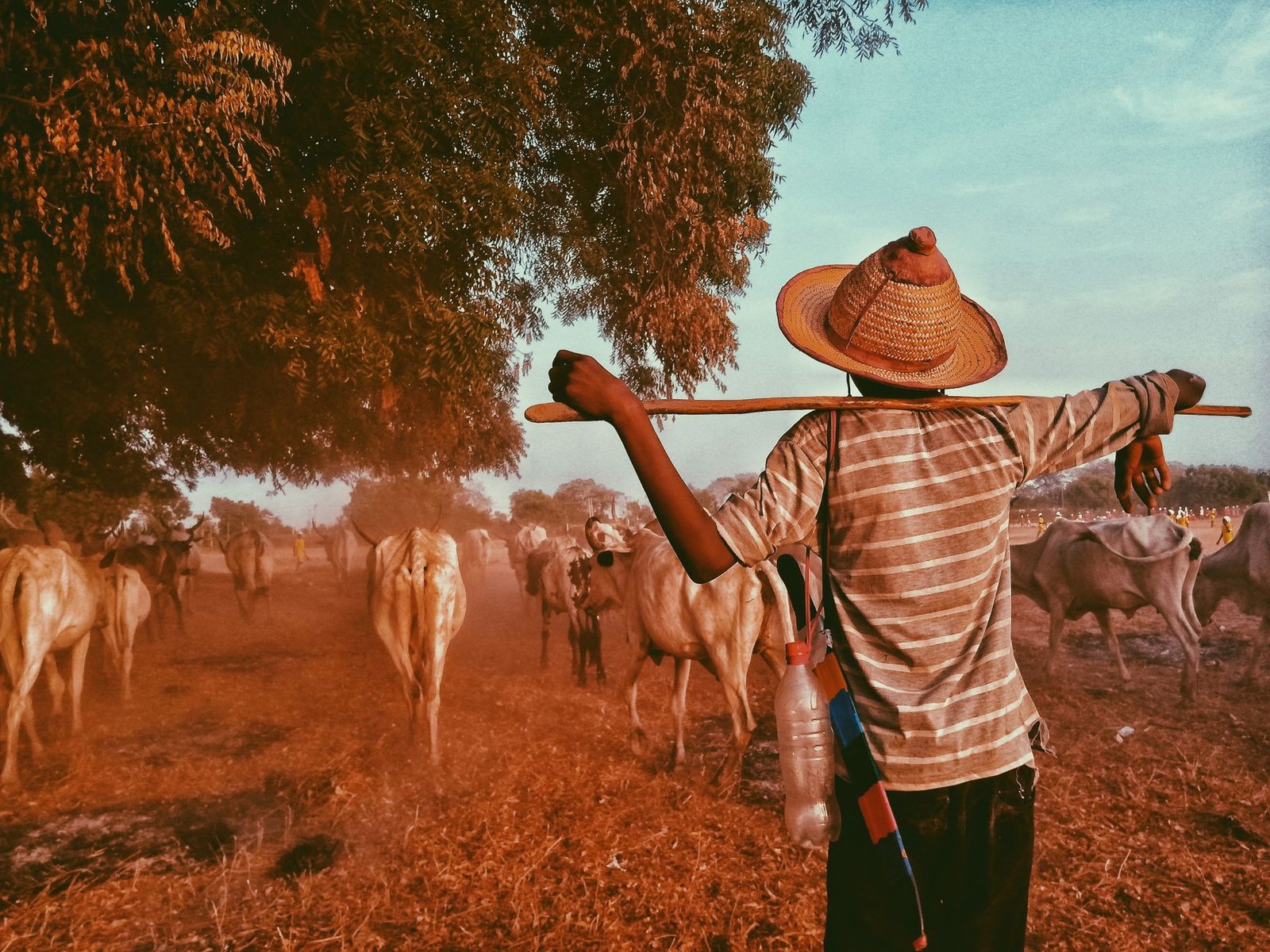
Smallholder farmers grow 90% of the food produced across Africa. They receive less than 1% of the financing they need to adapt their farms to a changing climate. That is the figure farmer organisations have pressed governments to address this month.
The numbers come from a coalition of farmer groups. It includes the World Farmers' Organisation, led by Daniel Mwendah M'Mailutha, and the Pan-African Farmers' Organisation, whose chief executive Babafemi Oyewole represents an estimated 80 million farmers across the continent. Their argument is straightforward. African governments committed in 2003 to allocate 10% of national budgets to agriculture. Only a handful of countries have met that target consistently since. Private investment in the sector sits at just 3%, far below the global average of 10%.
The financing shortfall carries a price tag well beyond individual farms. Africa spends between $70 billion and $100 billion annually importing food. This is despite the continent holding vast reserves of arable land and water. Farmer groups argue those resources remain underused for lack of investment in irrigation, storage and climate-resilient seed varieties suited to local conditions.

The cost of underfunding shows up at the border
Malawi's Minister of Agriculture, Roza Fatch Mbilizi, points to her own country as evidence the target is achievable. Malawi allocates roughly 9% of its national budget to agriculture, close to the continental commitment. She and other officials acknowledge that budget allocation alone does not guarantee the money reaches smallholders efficiently once it leaves the treasury.
Elizabeth Nsimadala, president of the Eastern Africa Farmers Federation, links the financing gap directly to on-farm resilience. Farmers who cannot access affordable credit cannot invest in irrigation systems, drought-tolerant seed or soil-management practices, she argues. Without those tools, farms struggle to withstand increasingly erratic rainfall. Globally, smallholder farmers already spend an estimated $368 billion of their own income each year on climate adaptation. They rely on personal savings rather than formal finance, largely because so little formal finance reaches them at all.
Nutrition advocates say the gap has knock-on effects
Joseph Gausi, director of the Civil Society Organisation Nutrition Alliance, frames the shortfall as a nutrition issue as much as an agricultural one. When farmers cannot adapt quickly enough to shifting rainfall and heat, he argues, crop failures translate directly into food-price spikes. Rural households already living close to the margin lose dietary diversity first, well before headline hunger statistics register the change.
The farmer organisations are not simply asking for more aid. Their central demand is affordable finance: loans and credit lines structured so smallholders can realistically repay them. That is different from grants that arrive unpredictably, or commercial loans priced for large agribusiness rather than a family farm. Development banks operating across the continent have piloted blended-finance mechanisms meant to de-risk lending to smallholders in recent years. Farmer groups say these pilots remain too small, and too concentrated in a handful of countries, to close a continent-wide gap on their own.
No new continental funding commitment has followed this month's push. Farmer organisations say they intend to keep the financing gap on the agenda ahead of upcoming regional agricultural summits. They argue the cost of continued underinvestment, measured in lost harvests and rising food-import bills, already outweighs whatever it would cost governments to close the gap now.
The groups point to a related concern raised elsewhere this month: a draft regional seed law working its way through the East African Community, which farmer coalitions say was drafted with too little smallholder input of its own. Both campaigns share the same underlying complaint, that policy affecting smallholders is too often built without their voices in the room, whether the subject is finance or seed rights. A separate gathering in Macau this month saw Mozambique make its own case for closer engagement with international partners, on timber rather than finance.