
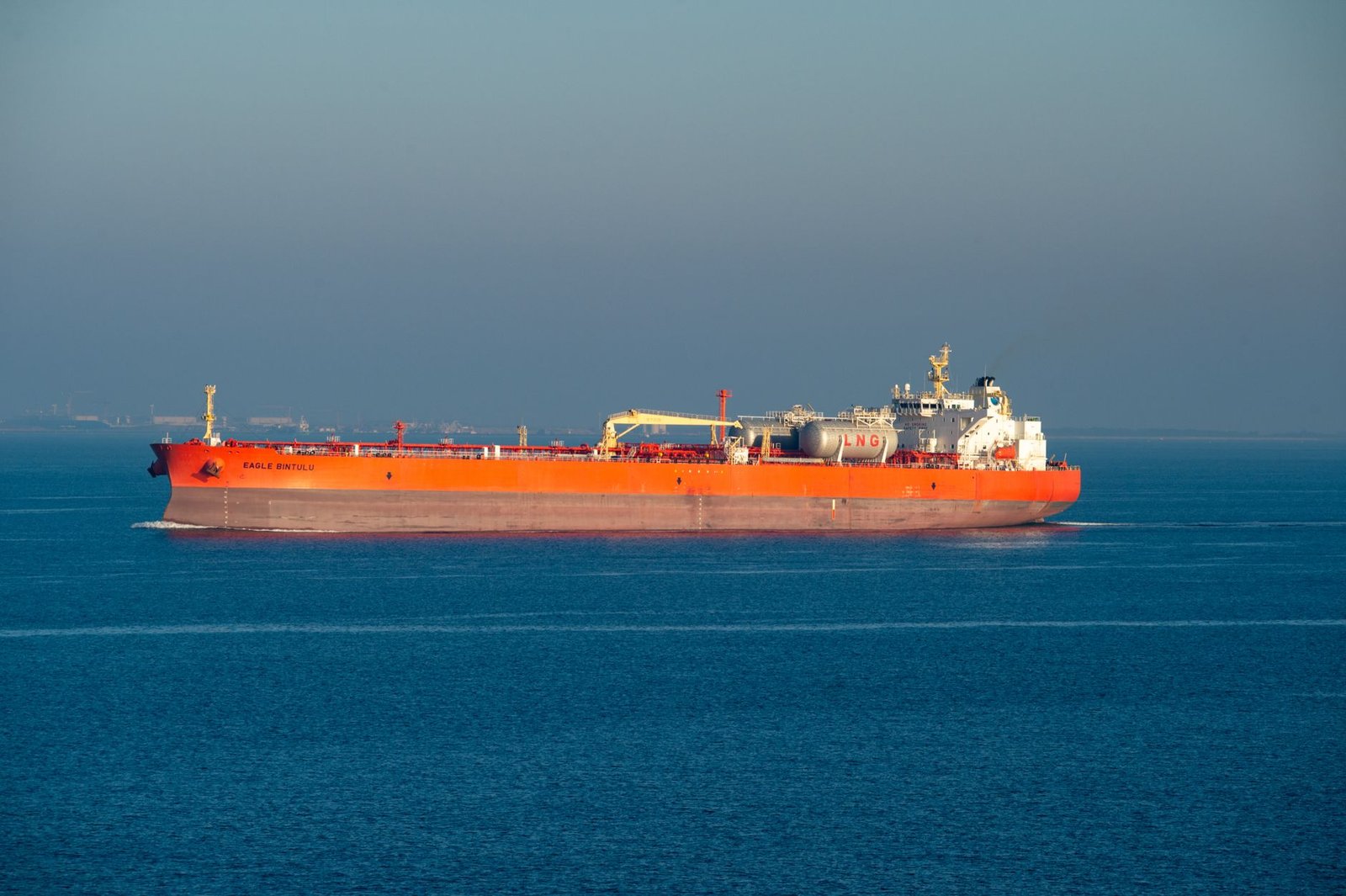
Shipping disruptions linked to tension around the Strait of Hormuz are pushing up freight and insurance costs, straining Gulf food supply chains from the United Arab Emirates to wider regional markets. The UAE imports roughly 85 to 90 percent of its food, leaving it exposed whenever the narrow waterway between Iran and Oman comes under threat. Industry executives say outright shortages remain unlikely in the near term. Costs are rising instead, squeezing margins for importers, retailers and the restaurants that depend on them.
Sven Tietz, co-founder and chief executive of the logistics firm HeadsUp, says shipping access through the strait itself remains the primary bottleneck. Rerouting cargo overland removes that risk but creates a new one, since land corridors cannot match the scale of an established maritime system, he adds. Mohamed Itani, chief executive of United Foods Company, points to a knock-on effect on pricing. Higher freight rates, added insurance premiums and the cost of rerouting are feeding what he calls inflationary pressure throughout the food supply chain, with perishable goods typically affected first.
Temperature-sensitive cargo faces the sharpest exposure. Mohammed Alrifai, chief executive of NRTC Group, says maintaining cold chain integrity across longer or disrupted routes has become the defining operational challenge, with berries, leafy greens and other fast-perishing produce given priority routing wherever possible. Edible oils, cereals, pulses, sugar, dairy, eggs, poultry and packaging materials are also moving through the same congested corridors, alongside raw materials that Gulf food manufacturers rely on. Delays of several days are now common, depending on a shipment’s origin and route.

Local markets absorb some of the pressure
Domestic production offers Gulf economies a partial buffer. Abu Dhabi’s Waterfront Market alone carries more than 95 vegetable varieties and 65 types of fruit, supplied by over 150 traders, while roughly 70 percent of its seafood is sourced within the UAE and around 250 tonnes of fish move through the market each week. Produce from more than 80 local farms, including tomatoes, cucumbers, zucchini and cabbage, tends to show steadier supply and less price volatility than imported equivalents. Mark Mortimer-Davies, chief executive of the retailer Choithrams, says Gulf markets remain structurally dependent on imports, which keeps shipping routes central to planning. Retailers now hold forward inventory and buffer stock across key staples to manage that exposure, he says.
Mohammad Al-Madani, senior centre manager at Waterfront Market, says competitive supply and demand within the local market help moderate sudden price swings even when import costs climb. Restaurateurs report similar adjustments. Lily Hoa Nguyen, founder and executive chef of Vietnamese Foodies, says the UAE market has proved able to adapt quickly to supply chain disruption, partly because her kitchen already sources most fresh ingredients from UAE-based suppliers rather than relying solely on imports.
Diversification becomes a competitive edge
Neither disruption is new to the region, but combined pressure from Hormuz-linked tension and earlier Red Sea shipping problems has sharpened the case for diversified sourcing. Businesses that spread purchasing across multiple origins and hold larger buffer stocks are proving more resilient than those tied to a single corridor. Alternative routes cannot fully replace the capacity of established shipping lanes, and cost pressure on imported staples looks set to persist. Executives across logistics, retail and food manufacturing describe the current strain as manageable rather than a crisis, provided buffer stocks and local sourcing arrangements hold through further disruption. For Gulf food supply chains, agility rather than avoidance now looks like the more realistic form of protection.