
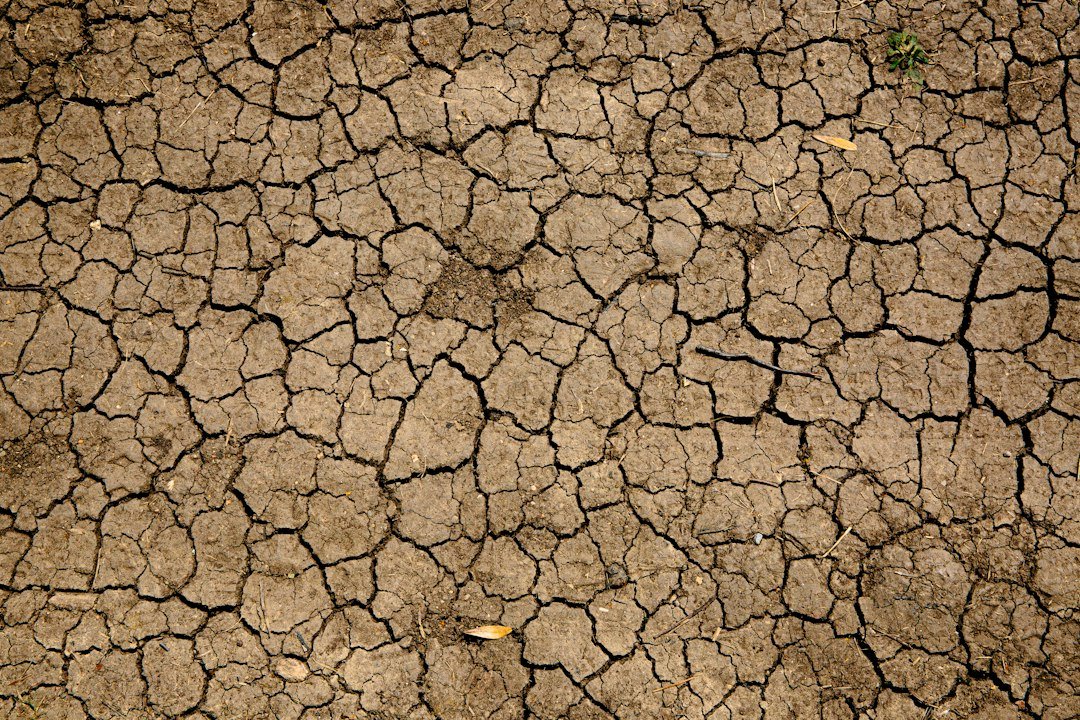
The UN Food and Agriculture Organization (FAO) has released an updated Status of the World’s Soil Resources report warning that soil degradation is worsening globally, even as proven remedies such as cover cropping, reduced tillage and organic matter restoration remain under-adopted. FAO timed the findings ahead of the CBD’s COP17 biodiversity summit, due to open in Yerevan, Armenia, on 19 October, tying soil health directly to the conference’s wider conservation agenda.
The report found that erosion, nutrient depletion, salinisation and loss of organic carbon are advancing in multiple regions simultaneously, rather than concentrated in one geography. Drylands, which cover roughly two-fifths of the world’s land surface and support hundreds of millions of smallholder farmers, were flagged as particularly vulnerable, because thin, already nutrient-poor soils there have less capacity to absorb shocks from erratic rainfall or overgrazing.
FAO’s soil scientists said the gap between available solutions and their actual uptake is now the central problem. Techniques such as agroforestry, minimum tillage and the return of crop residues to the soil have been shown in trials across multiple countries to rebuild organic matter and improve water retention, yet adoption rates remain low, particularly among smallholders who lack the credit or extension support to change practices without risking a season’s income.

Governments will gather in Yerevan later this month for COP17, the 17th meeting of the Convention on Biological Diversity’s parties, where land degradation and ecosystem restoration are expected to sit alongside more familiar biodiversity themes such as species protection and protected-area targets. FAO’s choice to time the report’s release ahead of the summit reflects an effort to keep soil health visible on an agenda that has historically prioritised more visible conservation metrics.
Africa’s drylands carry a disproportionate share of the risk
The report singled out Africa’s dryland farming regions as facing some of the steepest rates of soil carbon loss, a finding that compounds existing food-security pressures across the Sahel and Horn of Africa. Soil degradation reduces the land’s capacity to hold water during dry spells and to drain excess water during heavy rains, which means degraded soils amplify the damage from both droughts and floods rather than buffering against either.
This matters because soil health interacts directly with the climate shocks already straining the region. Kenya’s Turkana county, where drought has left over two million people vulnerable to hunger, sits within a dryland belt where the FAO report’s findings apply directly: thinner, more depleted soils recover more slowly once rain does arrive, extending the humanitarian impact of each successive dry spell.
A test case for COP17’s land agenda
FAO’s decision to release the report alongside COP17 reflects a push by the UN Convention on Biological Diversity to treat soil health as inseparable from biodiversity loss, rather than a separate agricultural issue. Healthy soils support the microbial and fungal networks that underpin terrestrial ecosystems, and soil biodiversity loss has become a growing focus for conservation scientists alongside more visible metrics like species counts and forest cover.
The report calls for scaled-up investment in soil-restoration programmes and stronger links between national agricultural extension services and climate-adaptation funding, arguing that the two have often been managed as separate policy tracks despite addressing the same underlying vulnerability. FAO did not set a global soil-restoration target in the report, instead framing it as a baseline assessment meant to inform country-level commitments ahead of future negotiating rounds.
For farmers working the thinning soils the report describes, the practical question is less about international targets and more about whether extension services, credit and input subsidies arrive quickly enough to make restoration practices affordable before the next dry season narrows their margins further.