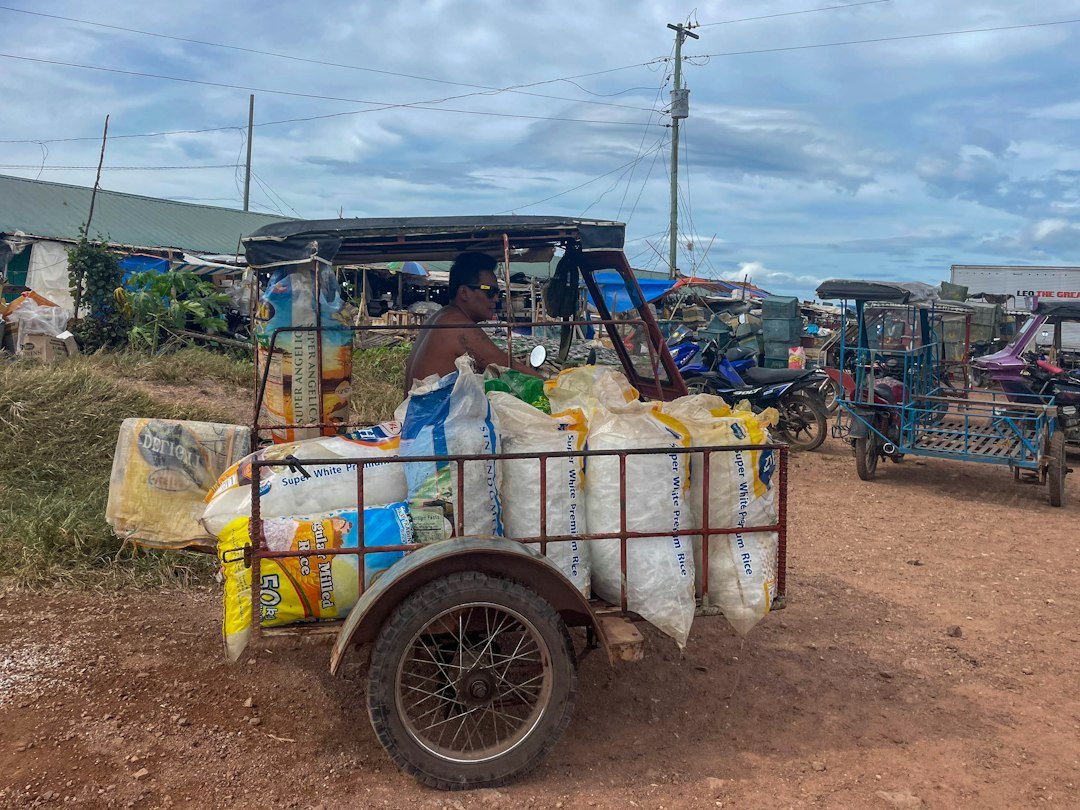
Bangladesh’s government is expanding its nutritious rice distribution programme from 256 upazilas, or sub-districts, to 300 for the 2026-27 fiscal year, widening a safety net that delivers fortified staple food to rural poor and ultra-poor households. The rice is fortified with six essential vitamins and minerals, addressing micronutrient deficiencies common among low-income rural families.
Around 5.5 million rural poor and ultra-poor families are expected to be covered under the expanded programme, according to reporting by thefinancialexpress.com.bd and observerbd.com, both published in early August 2026. Each eligible household receives 30 kilograms of fortified rice monthly, priced at Tk15 per kilogram (about £0.09/$0.12 per kilogram), for six months of the year.
Across the full programme, the government plans to distribute 0.99 million tonnes of fortified rice under this expansion, a scale that reflects the programme’s role as one of Bangladesh’s primary tools for reaching rural households with subsidised, nutrient-enriched staple food during the months when it matters most.

Widening the safety net amid regional climate pressure
Expanding from 256 to 300 upazilas represents a meaningful scale-up in geographic reach, bringing the fortified rice programme into sub-districts that previously fell outside its coverage. For families receiving 30 kilograms a month at a heavily subsidised Tk15 per kilogram, the programme offers both a nutrition intervention, through the added vitamins and minerals, and a direct income support, given how far below market rates the subsidised price sits.
The expansion comes as climate pressures weigh increasingly on food-security planning across South Asia. Bangladesh’s choice to widen a fortified-rice safety net even as these pressures mount echoes caution visible elsewhere in the region, including in India’s own more conservative foodgrain production targets for the coming season, both responses, in different ways, to a less predictable agricultural outlook.
A double-sourced but slightly dated picture
The figures behind this expansion come from reporting published in early August 2026, making them a few months old relative to the current period, though they remain the most current, and independently corroborated, account available of the programme’s scale. Both outlets reported the same expansion figures, the same per-household allocation, and the same 0.99 million tonne distribution target, lending the numbers a reasonable degree of confidence even without more recent updates.
With 5.5 million families now in scope and distribution running through six months of the year, the programme stands as one of the more substantial nutrition safety nets operating in rural Bangladesh, reaching a population whose food security remains closely tied to both seasonal rice markets and the broader climate risks shaping agricultural policy across the region.