
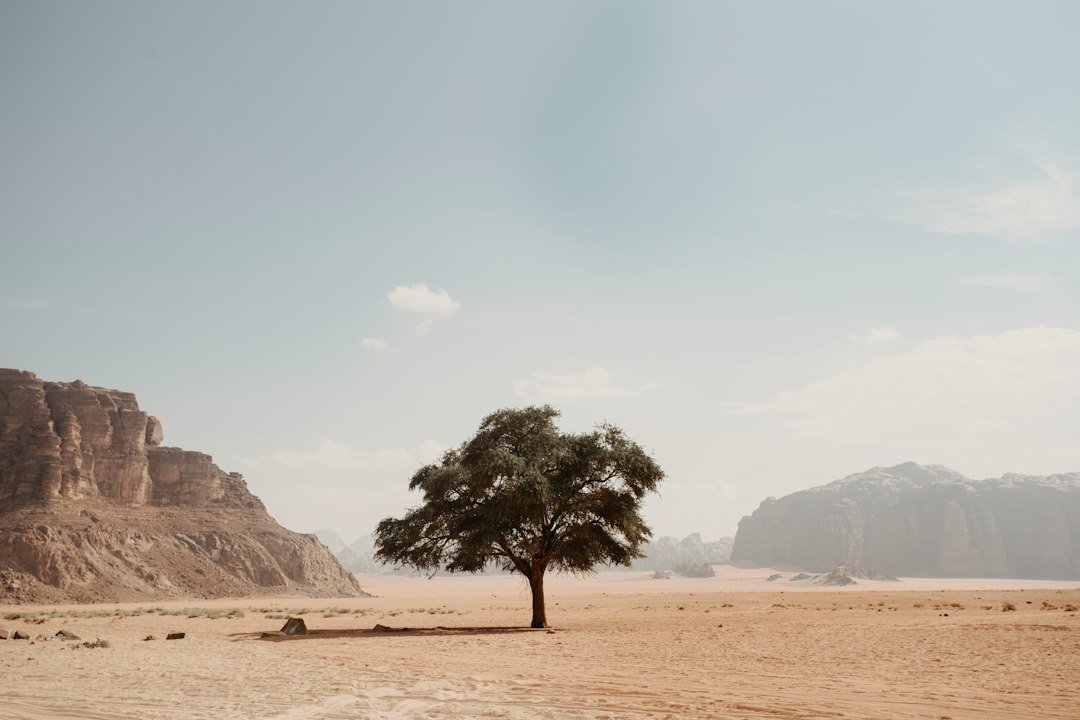
A land-restoration programme run by the UN World Food Programme across the Sahel has been named one of three new UN World Restoration Flagships, a recognition announced on 26 August 2026 at the 17th session of the UN Convention to Combat Desertification, held in Ulaanbaatar, Mongolia. The Sahel Integrated Resilience Initiative has operated since 2018 across Burkina Faso, Chad, Mali, Mauritania, and Niger, among the countries most exposed to both desertification and chronic food insecurity.
The initiative has restored 335,000 hectares of degraded land so far, against a goal of 470,000 hectares by 2030, and has benefited more than 4 million people since it began. It also aims to lock away up to 20 million tonnes of carbon dioxide through the vegetation and soil improvements its restoration work supports.
According to World Food Programme data, 75% of the initiative’s resilience sites have shown improved soil and vegetation conditions, while humanitarian assistance needs at those sites declined by approximately 11% during lean seasons. Together, the figures offer measurable evidence that land restoration in the Sahel can translate into reduced reliance on emergency aid, not just improved environmental indicators.

Hard numbers from one of the world’s most food-insecure regions
The Sahel is routinely among the regions covered in global food-insecurity assessments, making the recognition of a WFP-run restoration programme as a UN flagship notable in itself. The designation, awarded at COP17 in Ulaanbaatar alongside two other new flagships, places the Sahel initiative within a small group of restoration efforts the UN considers global models, based on both the scale of land restored and the evidence of measurable resilience gains at the community level.
The 11% decline in humanitarian assistance needs during lean seasons is, in some respects, the more significant figure of the two. Restored hectares are a measure of ecological recovery, but a reduction in emergency aid dependency during the seasons when food insecurity typically peaks points to a tangible improvement in household-level resilience, the outcome that climate-adaptation programmes are ultimately judged against.
A programme still short of its own target
Despite the recognition, the initiative remains well short of its 2030 goal. The 335,000 hectares restored so far represent roughly 71% of the 470,000-hectare target, leaving several years of further work to close the gap, in a region where funding for long-term resilience programmes competes with more immediate humanitarian needs.
The World Restoration Flagship designation may help attract further support toward that remaining gap, but the initiative’s own figures make clear that the programme’s current achievements, while measurable and significant, are a partial step toward a target still six years away rather than a completed success story.