Abu Dhabi has set a target of raising self-sufficiency in basic food commodities from 30% to 70% by 2040. The emirate’s food authority, ADAFSA, unveiled the strategy at the opening of the Global Food Security Summit at ADNEC Centre Abu Dhabi. The summit runs under the theme “Global Collaboration for Food Security for All.” It is drawing more than 70 countries and over 3,500 delegates this week.
The strategy rests on five pillars and thirteen separate programmes. One target addresses water use directly. Officials want to cut consumption from 24,700 to 12,700 cubic metres per hectare per year by 2040, almost halving the water needed to grow the same crops. They also want to move the UAE from 26th place to the global top five in the Global Food Security Index over the same period.
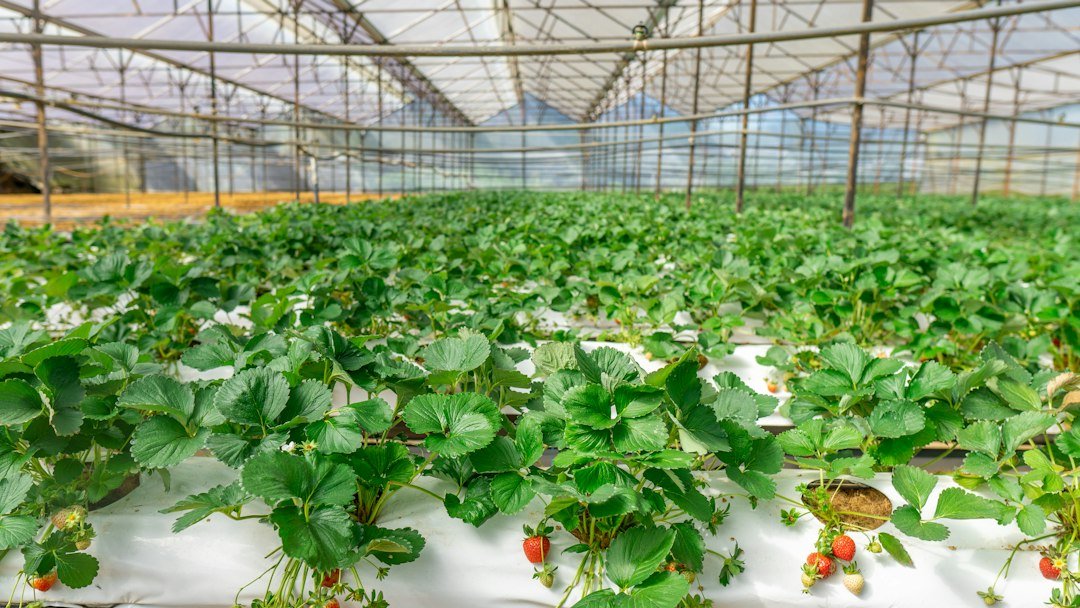
Technology sits at the centre of the plan. The strategy names vertical farms, hydroponics, and precision fermentation as priority areas, alongside agri-tech more broadly. The Abu Dhabi Food Hub was built to support exactly this kind of investment. It has already secured backing from private investors. Officials expect the sector’s contribution to the economy to grow sharply by 2040. The figure is projected to rise from AED 9.5 billion to AED 34.6 billion, roughly a fourfold increase over fourteen years.

Officials frame it as a test of delivery
“The question is no longer only what we grow from here,” said Tareq Al Ameri, ADAFSA’s acting director-general. He framed the strategy around how food gets produced, rather than simply which crops are chosen. He added a warning about execution. “A strategy does not succeed through what is written on paper, but through change on the ground,” he said.
Thani bin Ahmed Al Zeyoudi, the UAE’s Minister of Foreign Trade, called for partnerships linking innovation to real-world needs. UAE food, agriculture and related trade reached $41.8 billion in 2025. Officials cited that figure as evidence of how much is already at stake in getting the strategy right, before the more ambitious 2040 targets even come into play.
Part of a wider Gulf push this week
The announcement arrived in a busy week for Gulf food policy. Sharjah opened its own date festival at the same time, celebrating a crop the region already grows reliably. Saudi Arabia separately committed $798 million to financing strategic food imports. Taken together, the three announcements show Gulf states pursuing food security from several angles at once. Import financing, technology investment and support for existing agricultural traditions are all moving forward in parallel.
Abu Dhabi’s target is ambitious given its starting point. Desert conditions, scarce freshwater, and high summer temperatures have long limited how much food the emirate can grow locally. That is precisely why the strategy leans so heavily on water-saving technology, rather than simply expanding farmland into the desert. Officials have not yet published a full funding breakdown for the thirteen programmes. That leaves open exactly how the more technical pillars, such as AI-driven supply chains and digital infrastructure, will be financed and delivered over the next fourteen years.