
Brazil’s presidential election is headed to a runoff on 25 October 2026 between the sitting president, Luiz Inácio Lula da Silva, and senator Flávio Bolsonaro, son of former president Jair Bolsonaro, after neither candidate secured the outright majority needed to win in the first round held on 4 October. With more than 99 per cent of votes counted, Flávio Bolsonaro led with around 47 per cent to Lula’s 45 per cent, while early results also pointed to gains for right-wing candidates in Congress and the Senate.
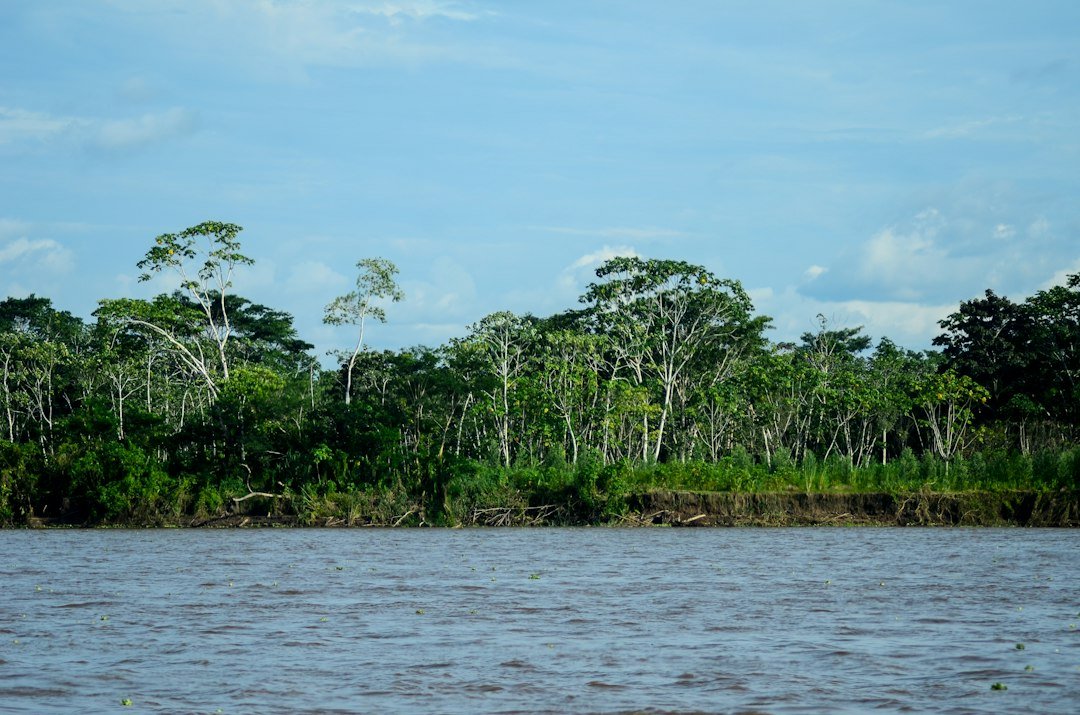
Environmental groups and researchers say the runoff amounts to a referendum on two starkly different approaches to the Amazon. Official data shows deforestation in the Brazilian Amazon rose by around 60 per cent during Jair Bolsonaro’s 2019-2022 presidency, with more than 45,000 square kilometres of forest cleared. Under Lula, deforestation has since fallen by 45 per cent to its lowest level in more than a decade, a reversal that climate researchers tied partly to the restoration of a satellite-based enforcement and sanctions system that had been weakened under the previous government.
Lula has pledged to reach zero net deforestation by 2030, offsetting any remaining loss through restoration, building on the Kunming-Montreal-era emissions cuts and tropical forest financing his government has already pursued. Flávio Bolsonaro has pledged to end illegal deforestation by 2029, a year ahead of Brazil’s existing target, while proposing to “modernise” environmental law, ease licensing for farming, ranching and mining, and let Indigenous communities themselves decide whether mining proceeds on their land. He has not said whether he would keep the satellite enforcement tool Lula restored in 2023, and has described extreme weather events as “cyclical” rather than endorsing the scientific consensus on climate change.

Climate Observatory director Márcio Astrini warned that Brazil risks “moving away from a positive environmental agenda” should Flávio Bolsonaro win, while Taciana Stec of the Talanoa think tank noted that his record suggests activities currently illegal could be legalised and left unenforced, with the word “illegal” in his pledge potentially leaving room for expanded legal clearing rather than a genuine tightening of the rules. Rules currently require landowners in the Amazon to preserve 80 per cent of native vegetation on their holdings; Flávio Bolsonaro co-sponsored a 2019 bill to scrap that requirement, which was later dropped after opposition from agribusiness interests wary of the reputational fallout.
Academics studying the region say the politics are more contested locally than the national deforestation figures suggest. Breno Rodrigues de Messias Leite of the Federal University of Amazonas said Bolsonaro’s promise to loosen protections could appeal to Amazon-based voters who see existing rules as a burden on rural livelihoods, and that a Bolsonaro government would face continued pressure from rural producers pushing for lighter regulation. An investigation by the outlet Sumauma found candidates across the Amazon region had accumulated roughly 33 million US dollars in environmental fines between them, concentrated mainly among parties aligned with the Bolsonaro family.
The runoff result will also shape Brazil’s credibility as host of recent UN climate diplomacy centred on the Amazon, after the country staged COP30 in Belém in 2025 partly to showcase its forest-protection record. Whichever candidate wins on 25 October inherits a policy architecture, built up since 2023, that forest researchers say remains fragile enough to be strengthened or unwound depending on who is in charge of enforcing it.
Related reading: Yerevan prepares to host COP17, the first global stocktake of the Kunming-Montreal biodiversity targets, for more on the international framework the Amazon’s future deforestation trajectory will be measured against.



