
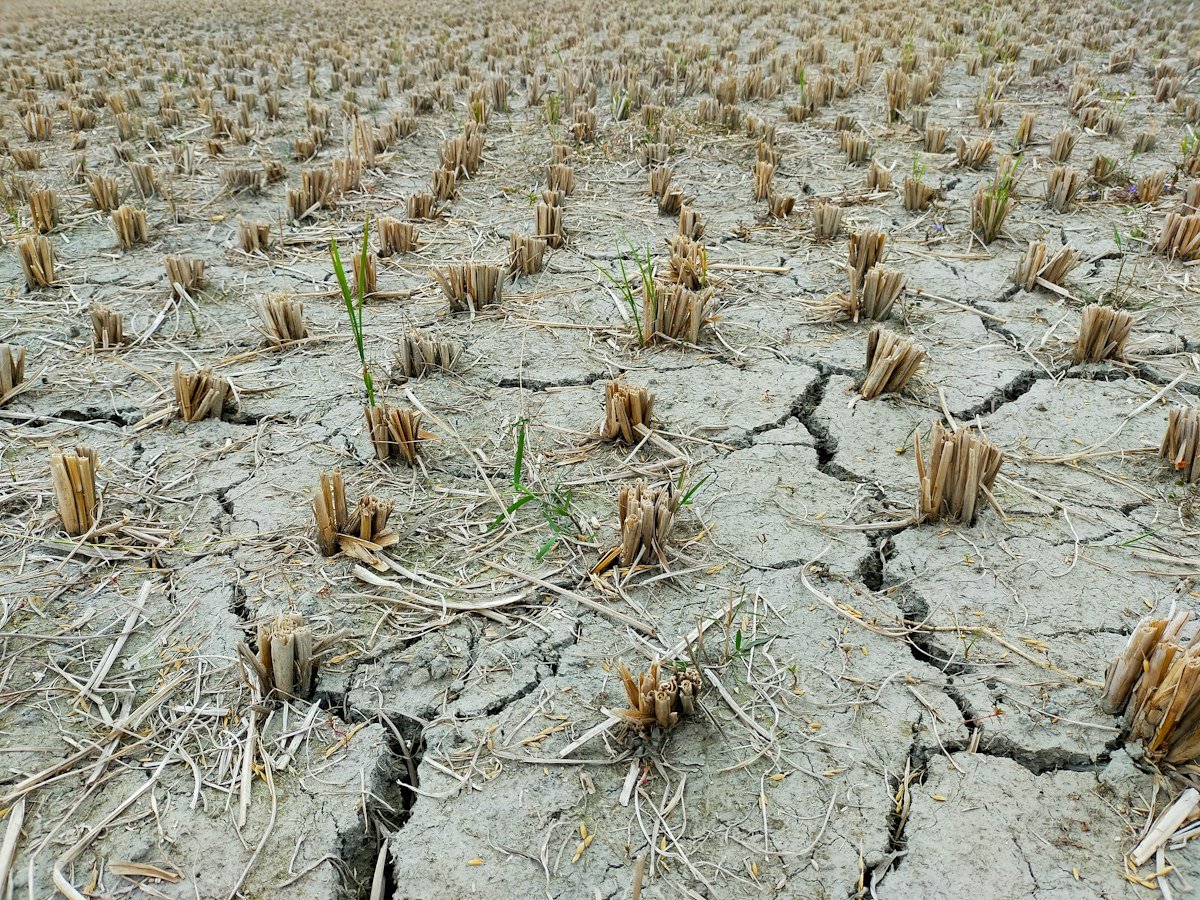
Karnataka has declared 217 of its 240 taluks, the state’s sub-district administrative units, officially drought-affected, covering almost the entire state. That leaves only 23 taluks outside the declaration. Standing crop losses are now estimated at about Rs 46,000 crore, with some assessments running as high as Rs 60,000 crore. These new Karnataka Maharashtra drought losses figures update earlier reporting on how the drought has spread across both states this month. They include a formal state request for Rs 7,142.64 crore in central relief, filed as the damage became clearer. Maharashtra has meanwhile confirmed distress across 265 talukas, concentrated in soybean, maize and cotton growing areas. Both states are now pushing for greater support as the scale of the damage becomes apparent.
Northern Karnataka has borne the heaviest losses. Districts there have reported near-total failure of the tur, or pigeon pea, crop, a staple pulse important to household diets and farm incomes. For many smallholders, tur is often their main cash crop, deepening the impact of its failure. The scale of the damage has pushed the state to lean heavily on central assistance, even as its own treasury moves to plug gaps. Karnataka’s government has not detailed how the Rs 7,142.64 crore request breaks down across crops or districts. Officials have linked the figure to the drought’s spread across nearly all taluks in the state. The gap between the Rs 46,000 crore and Rs 60,000 crore estimates reflects differing valuation methods.
Karnataka has already moved on relief at home. The state released an interim package and began disbursing a first instalment of drought relief to affected farmers around 9 October. Interim packages of this kind are typically designed to provide immediate cash support while a fuller compensation process is worked out. Farmers in the worst-hit northern taluks are among those expected to benefit first, given the scale of losses reported there. The state has not published a full payment schedule for the remaining instalments. The timeline for the central government’s response to the Rs 7,142.64 crore request remains unclear.

Maharashtra widens its relief options
Maharashtra’s response is taking a different shape. After Maharashtra ordered a 10% water cut earlier this month, the state is now weighing a wider set of relief tools. Officials are discussing loan restructuring for affected farmers, waivers on land revenue, and relief on power tariffs for agricultural users. A land revenue waiver would reduce the land tax farmers pay in affected districts, while power tariff relief would lower irrigation electricity costs. None of these measures has been finalised into a single package, and no cost estimate has been attached to any of them yet. The damage driving this discussion is concentrated in soybean, maize and cotton, three crops central to Maharashtra’s farm economy and its export earnings.
Both states now face the task of turning relief announcements into payments that reach individual farmers. Karnataka’s early disbursement gives it a head start. But its Rs 46,000 crore loss estimate means the interim package will cover only part of the damage. Maharashtra’s discussions on loan restructuring and tariff relief remain at an earlier stage, with no confirmed disbursement date yet. Coverage now spans 217 taluks in Karnataka and 265 talukas in Maharashtra, underlining the scale of the Karnataka Maharashtra drought losses still being tallied. How quickly both governments convert these announcements into payments will shape how farmers in both states get through the rest of this season.



