
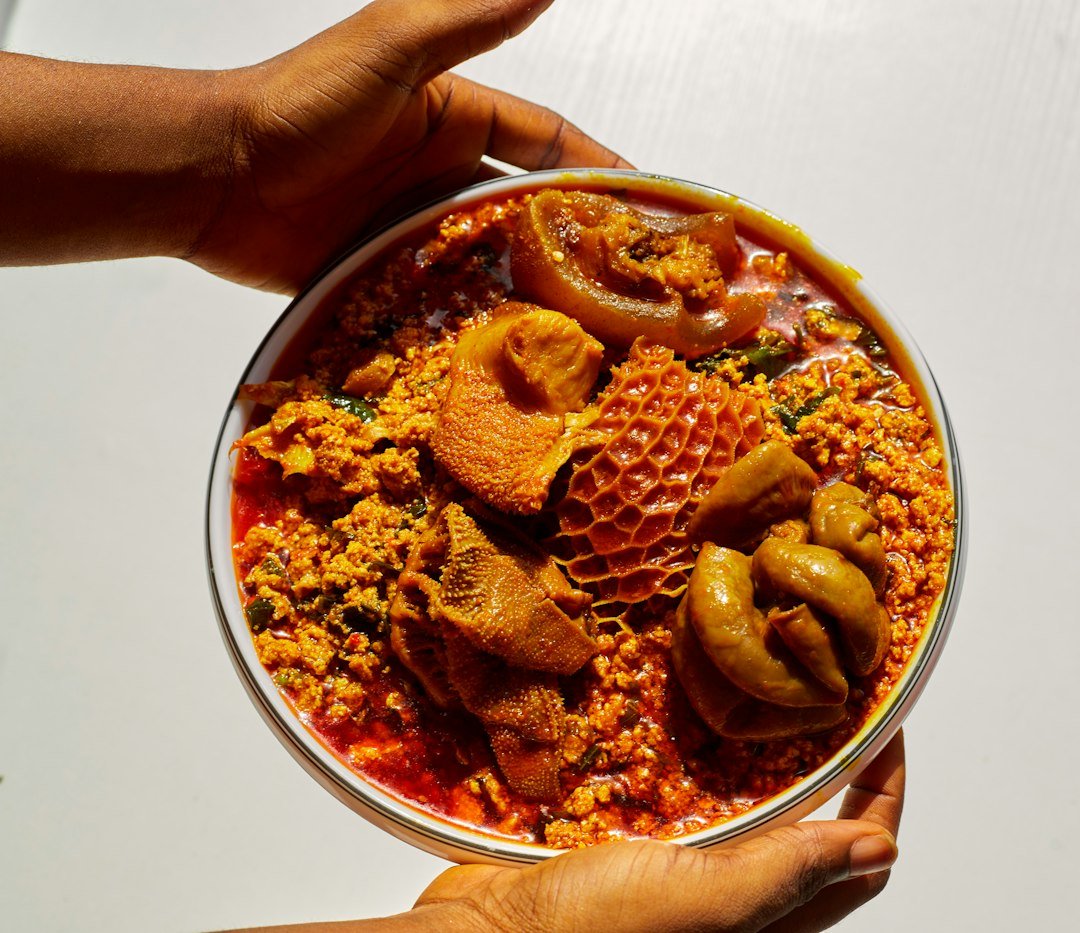
The Ozoz Sokoh James Beard Award win came in the Emerging Voice in Books category, for her cookbook Chop Chop: Cooking the Food of Nigeria, published by Artisan, the James Beard Foundation confirmed on its website. The James Beard Media Awards were presented on 13 June at the Art Institute of Chicago, making Sokoh the first Nigerian cookbook author to win the prize.
Multiple Nigerian outlets, including BellaNaija, Leadership and Brittle Paper, independently reported the win as a milestone for Nigerian and wider West African food writing on the international stage. Brittle Paper noted that Chop Chop had already won gold in the Nautilus Book Awards in May, meaning the book collected two major recognitions within weeks of each other.
A career built on documenting Nigerian food
Sokoh has spent more than a decade researching and writing about Nigerian cuisine, building an archive of regional recipes, ingredients and food history that predates the recent surge of international interest in West African cooking. Chop Chop draws on that research, presenting recipes alongside context on the regional and cultural variations within Nigerian food traditions, from the country’s north to its coastal south.

The James Beard Awards, among the most prominent recognitions in American food media, have in recent years expanded their attention toward cookbooks and writers documenting cuisines outside the Western culinary canon. Sokoh’s win fits a broader pattern of growing international recognition for West African food writers and chefs, including Gambian chef Saikou Bojang’s naming as Culinary Icon of Africa earlier this month, part of a broader moment for African food and agricultural identity that also includes young Africans returning to farming across Senegal and Mali.
Why the recognition resonates beyond Nigeria
For Nigerian and diaspora food writers, the award carries weight beyond one book. It shows that detailed, research-driven documentation of African culinary traditions can compete for recognition against institutions that have historically centred European and American cuisine. Food writers across the Nigerian and wider West African diaspora have described Sokoh’s win as validation of years spent building databases and archives of indigenous ingredients and cooking methods that are rarely documented in English-language food media.
Chop Chop spans recipes from across Nigeria’s regions, pairing dishes with notes on ingredient origins and the cultural occasions associated with them, an approach reviewers have credited with giving the book reference value beyond a typical recipe collection. Nigerian food media have highlighted the book’s documentation of lesser-known regional dishes alongside more widely known staples, arguing that this breadth is part of what distinguished it in a strong field of nominees for the award.
Food historians who document culinary heritage across much of the Global South have long warned that traditional cooking knowledge risks being lost as younger generations move away from it, making detailed archival projects such as Sokoh’s increasingly valuable to researchers and home cooks alike. Her award adds Nigeria to a short list of African nations now represented among James Beard Media Award winners.
Nigerian publishers say they expect renewed interest in Chop Chop and in Sokoh’s broader food-writing archive following the award, five months after the ceremony in Chicago.
The James Beard Foundation’s book categories have historically been dominated by American and European authors, making wins for writers documenting African, Caribbean or South Asian cuisines comparatively rare even as the foundation has broadened its judging panels in recent years. Nigerian food commentators have pointed to Sokoh’s win, alongside Saikou Bojang’s Culinary Icon of Africa recognition, as evidence that West African food culture is gaining sustained rather than occasional attention from major international institutions.
Chop Chop joins a small but growing shelf of cookbooks by West African writers to win recognition from major Western culinary institutions in recent years, a shift publishers attribute partly to rising diaspora demand for well-researched regional cookbooks and partly to broader interest in African cuisines among international readers and chefs. Publishers active in the space say they expect the award to encourage more commissions of deeply researched food writing from across the continent, rather than treating African cuisines as a single undifferentiated category.



