
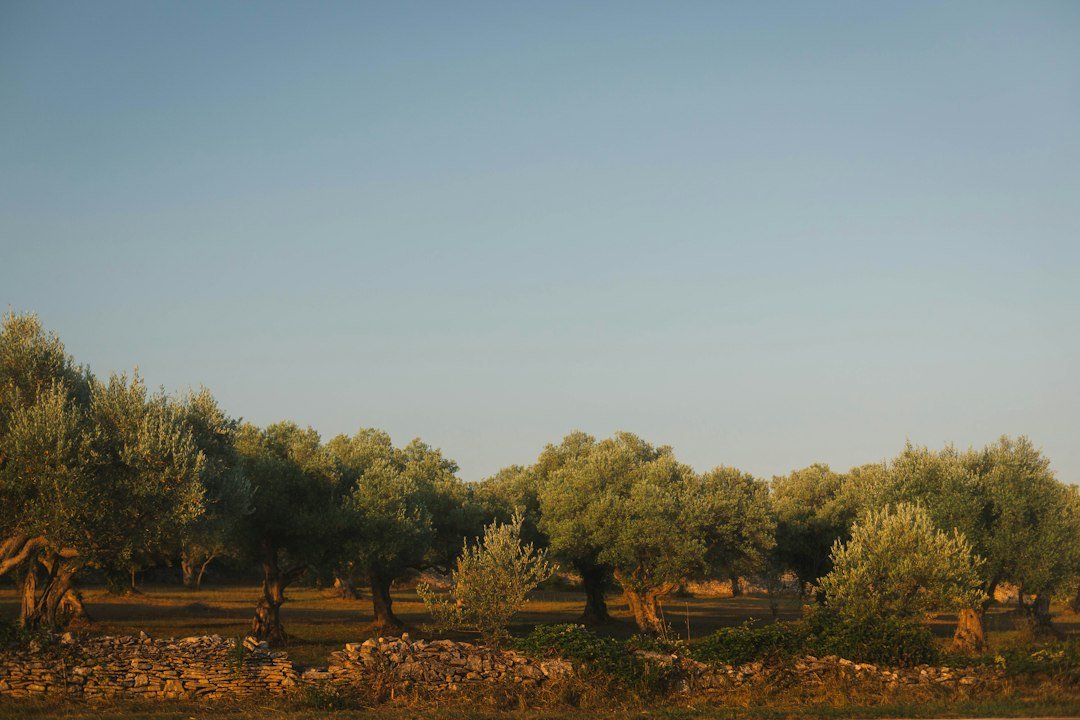
Tunisia olive oil exports reached 381,200 tonnes in the first ten months of the 2025/2026 season, up 50.8% on the same period a year earlier, according to figures from ONAGRI, Tunisia’s National Agriculture Observatory, reported by La Presse in September. Export revenue rose even faster, climbing 41.2% to 4,780.4 million dinars, as average prices also firmed through the season.
Bulk oil accounted for 85.5% of export volume and 80.7% of revenue, with packaged oil making up the remainder. Average export prices rose 7.1% in August compared with the same month last year. Organic olive oil, a smaller but higher-value segment, brought in roughly 699.7 million dinars from 53,000 tonnes exported, reflecting continued demand for certified organic production in European and North American markets.
Tunisia closes in on Spain for global rank
Tunisia’s 2025/26 production is estimated at about 450,000 tonnes, according to global rankings reported by Tuniscope in October, placing it second worldwide behind Spain’s 1.372 million tonnes. Morocco follows in sixth place with roughly 160,000 tonnes, ahead of Syria at 95,000 tonnes, Algeria at about 75,500 tonnes and Egypt at 50,000 tonnes.

The scale of Tunisia’s harvest this season reflects favourable weather after several drought-affected years that had depressed olive yields across North Africa. Tunisian producers have also expanded organic certification and invested in modern milling capacity, helping the country capture a larger share of a global market in which Mediterranean supply shortfalls in recent seasons pushed prices higher worldwide.
A trade story with regional echoes
Tunisia’s export surge comes as several of its Mediterranean and North African neighbours report their own shifts in food trade this season, from Egypt’s push toward wheat self-sufficiency to broader questions about how exposed the region’s food systems remain to climate variability. Olive oil is one of the few commodities where North African producers, rather than importers, are setting the pace of global supply.
Analysts tracking the sector say Tunisia’s position could strengthen further if favourable weather continues into the next harvest cycle, though they caution that olive yields in the Mediterranean remain prone to sharp swings between seasons. For now, the 2025/26 season stands as one of the strongest on record for Tunisian producers and exporters alike.
Industry figures expect the final two months of the season to confirm whether Tunisia holds its second-place global ranking once Spain’s own harvest figures are finalised.
Tunisia’s olive sector supports hundreds of thousands of smallholder growers, many cultivating ancient groves passed down through generations, alongside a growing number of larger commercial operations investing in modern extraction and bottling equipment. The country’s exporters have increasingly targeted European Union markets, where demand for Mediterranean olive oil has stayed firm even as retail prices climbed, and have also expanded into North American and Gulf markets seeking reliable supply amid repeated shortfalls from other producing countries.
Government agencies including ONAGRI have credited improved extension services and expanded access to irrigation in key growing regions, alongside the favourable rainfall this season, for helping Tunisian producers convert a strong harvest into record export volumes rather than letting surplus oil go to waste or sell at depressed domestic prices. Officials say they are now focused on sustaining export infrastructure, including port capacity and quality certification, to keep pace with production if yields remain strong in future seasons.
Tunisia’s olive calendar runs on a biennial cycle in many groves, where trees naturally alternate between heavier and lighter harvests from one year to the next, making this season’s strong output only a partial guide to what growers can expect in 2026/27. Agricultural officials say they are encouraging growers to invest in irrigation and tree management practices that can smooth out some of that natural variability over time.



