
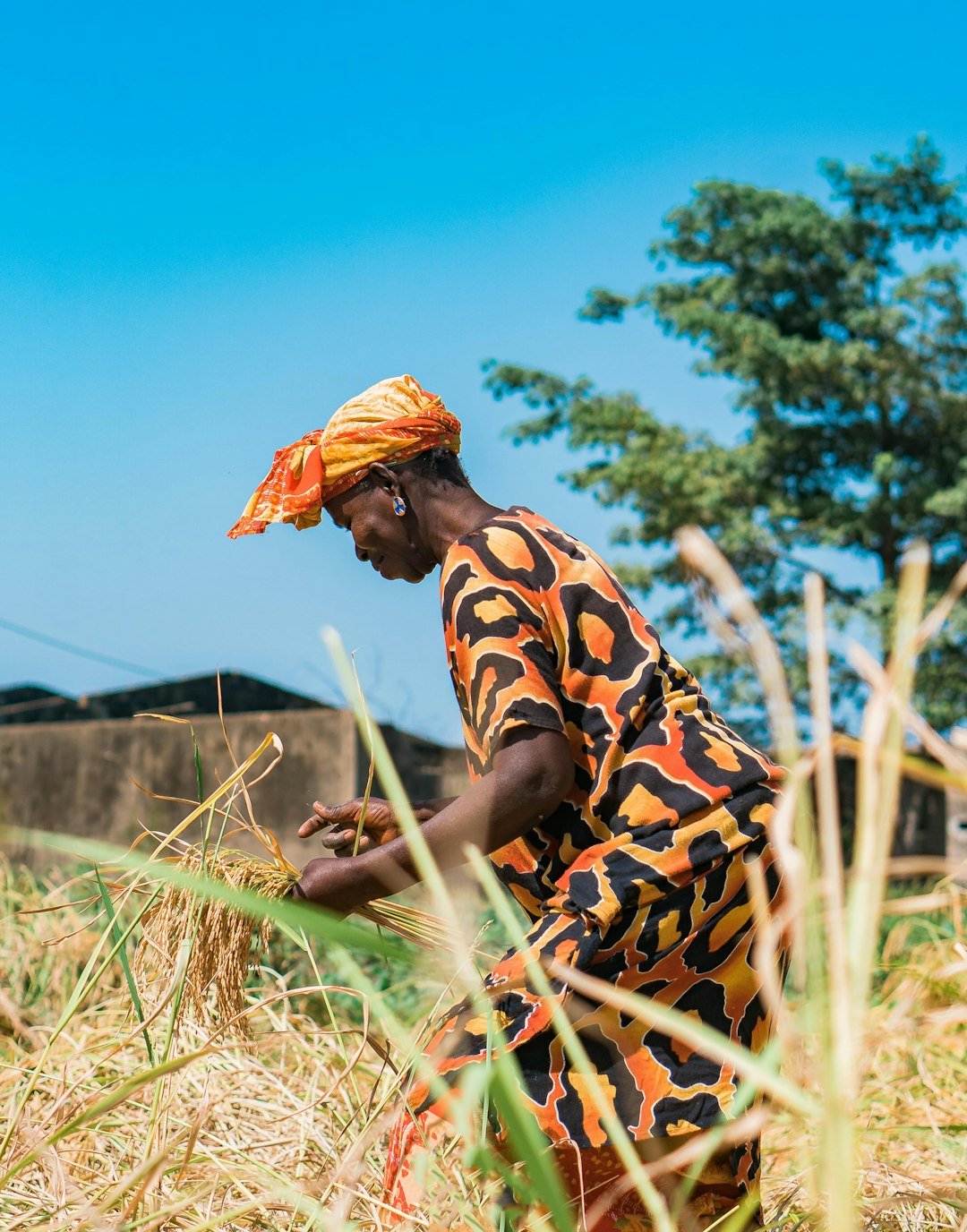
Filly Mangassa left his village a decade ago hoping to become a professor in Dakar. At 33, he now owns a 32-acre farm growing peanuts, maize, vegetables and fruit, earning about 2 million CFA francs (roughly $3,500) a year, according to an Associated Press report carried by PBS NewsHour. His story reflects a wider trend: young Africans return farming as a livelihood once urban living costs climb faster than wages across the region.
Adama Sane, 24, moved to Dakar in 2020 and struggled as a construction worker; he had considered migrating to Europe but lacked the money smugglers demanded. He now raises poultry and grows peppers on a five-acre farm and says farming “saved my life.” Three young men from Bamako, Mali, Mamadou Camara, Issa Traoré and Madassa Kebe, in their early twenties, returned from an attempted smuggling journey to Europe after a smuggler reportedly took money their families had raised, and now work on Mangassa’s farm.
A continent-wide push, backed by two programmes
The trend is being reinforced by donor-backed agriculture initiatives. A World Food Programme youth-agriculture effort running since 2023 has supported about 380,000 people across the region, including more than 61,000 in Senegal, with over 80% of participants going on to launch farms, according to WFP country director for Senegal Pierre Lucas. Senegal’s agriculture minister, Mabouba Diagne, has said agriculture and livestock are the sectors best placed to create the jobs young Africans need.

A separate five-year partnership between WFP and the Mastercard Foundation, launched in 2022 across eight countries including Senegal, Ghana, Kenya, Nigeria, Rwanda, Tanzania, Mozambique and Uganda, has reached roughly 459,000 young people to date, according to WFP’s own reporting. In Senegal, 26-year-old Marie Diongue grew her poultry flock from 50 to 300 chicks after joining the programme in 2024 and plans to expand to 2,000 birds alongside a cattle-fattening venture. “Agriculture is not a Plan B,” she said. “It’s a real path.”
The economics behind the shift
Africa is the world’s fastest-urbanising region, with cities growing roughly 3.5% a year, while 10 to 12 million young Africans enter the job market annually against only about 3 million new formal jobs, according to the African Development Bank. Senegal-based agricultural economist Ibrahima Hathie of the Prospective Agricultural and Rural Initiative says rents and grocery prices in cities such as Dakar and Nairobi are approaching levels seen in major European cities, despite far lower local salaries, squeezing young urban workers from both directions.
Senegal remains one of the main departure points for migrants attempting the Atlantic route to Europe, making the farming programmes’ framing deliberate: officials and aid workers describe viable agricultural livelihoods as a direct alternative to the dangerous, costly journey north. Whether the trend holds beyond pilot programmes will depend on continued access to land, credit and markets for the young farmers now building businesses in Dakar’s rural hinterland and beyond.
Programme officials say the number of young farmers seeking support continues to outpace available funding across most of the eight participating countries. The renewed pride in home-grown food systems echoes elsewhere in West African culture this month, including Nigerian food writer Ozoz Sokoh’s James Beard Award win for her cookbook on Nigerian cuisine.
The pattern described in Senegal and Mali echoes concerns raised across much of the Global South, where rapid urbanisation has outpaced formal job creation and left many young people choosing between informal urban work, risky migration, or a return to agriculture that previous generations often tried to leave behind. Aid organisations increasingly frame support for young farmers not as a fallback option but as core economic policy, pointing to the scale of youth unemployment that formal labour markets cannot absorb.
Programme staff caution that not every young farmer who receives training or start-up support goes on to build a sustainable business, and that access to land, credit and reliable markets remains uneven even within countries running these initiatives. Even so, officials point to the scale of participation reported so far, hundreds of thousands of young people across the two WFP-linked programmes alone, as evidence that demand for agricultural livelihoods among urban youth is real and growing, not a niche alternative to city life.



