
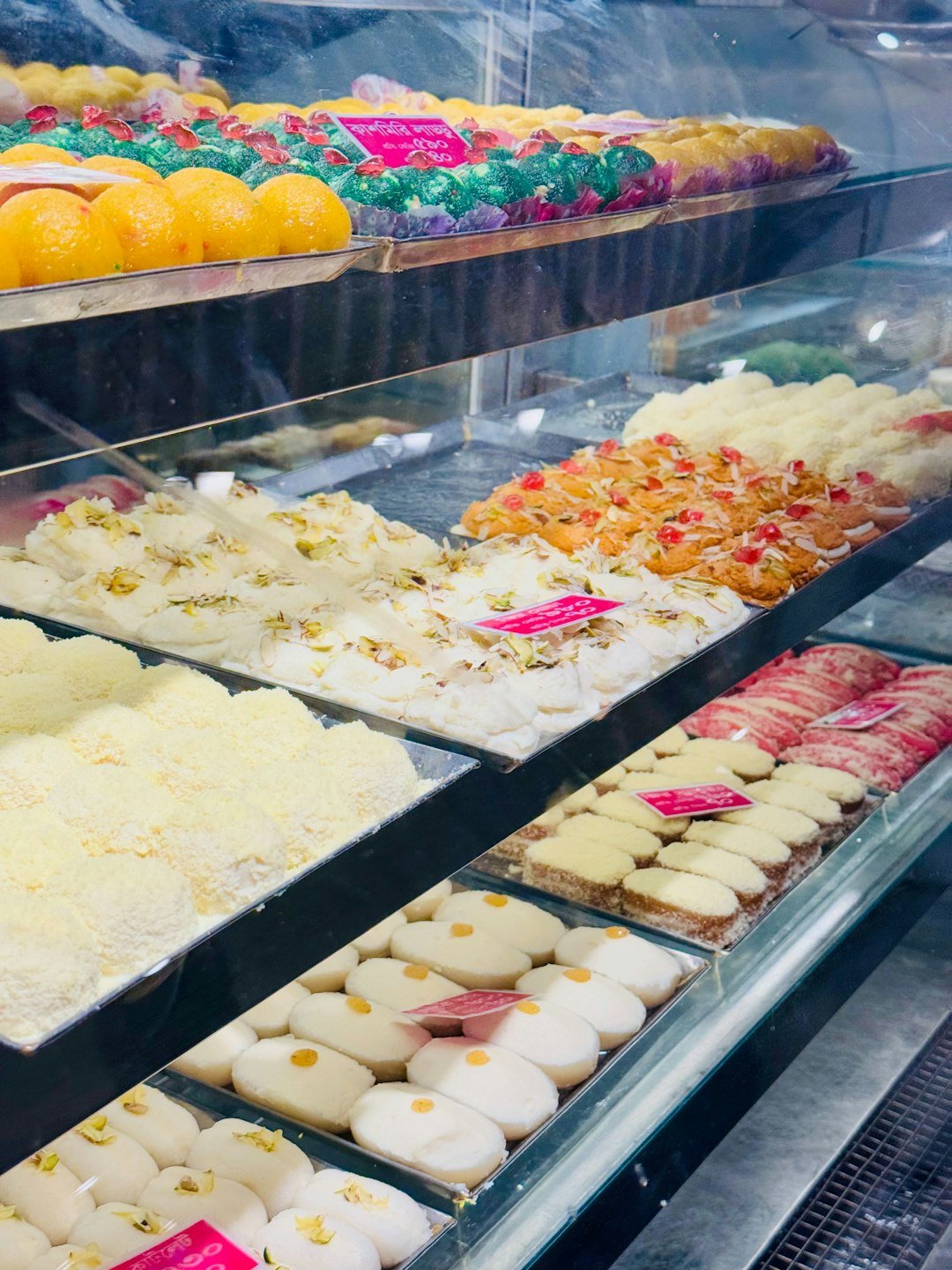
Diwali mithai exports are climbing again this festive season, with the Trade Promotion Council of India reporting indicative growth of around six percent over last year across the sweets, snacks and ready-to-eat categories that peak around the festival. Some product lines and overseas markets grew by more than 15 percent, according to a TPCI survey of international buyers and importers, though the organisation did not break down which categories drove the stronger gains.
Demand clusters around a familiar list. Buyers sought mithai, namkeen snacks, rice, spices, pickles, ghee and pulses, alongside specific favourites such as kaju katli, laddoo and halwa on the sweet side and bhujia, mixture and murukku among savoury snacks. European buyers reported roughly 25 percent year-on-year growth in ready-to-eat imports specifically, part of a broader rise that saw India’s exports of ready-to-eat and cooked food climb 16 percent, from $2.1 billion to $2.4 billion between the last two financial years. Interest from Europe is increasingly tilted toward organic, vegan and frozen products rather than traditional packaged sweets alone.
Gulf markets anchor festive demand
The Gulf Cooperation Council states remain the most reliable buyers of traditional Diwali food. Kuwaiti importers reported 28 percent year-on-year growth in orders covering sweets, paneer, beverages, condiments, canned goods and dry fruits, according to TPCI. Omani buyers focused on rice, spices, masalas, pulses and pickles, while Bahrain’s demand centred on traditional festive foods and savoury snacks much as in previous years. Mohit Singla, the council’s chairman, called the season’s demand signals “encouraging for India’s food and beverage exporters” and suggested the pattern could help exporters move away from bulk commodity shipments toward branded, value-added products that command higher margins.

Separate industry figures from the Federation of Sweets and Namkeen Manufacturers put the mithai export sector’s overall size at roughly Rs 1.5 lakh crore, or about $17 billion at exchange rates near Rs 88 to the dollar, with exports growing more than 10 percent annually according to the federation’s director-general, Feroz H Naqvi. The United Kingdom, continental Europe, Southeast Asia and the United States are the sector’s core overseas markets, and brands including Haldiram’s report strong demand abroad, while smaller players such as Dadu Mithai Vatika are testing new flavours aimed specifically at non-Indian palates.
Packaging and logistics remain the bottleneck
Exporters say the limiting factor is rarely demand itself. Freight and shipping-container costs, customs delays, food-safety compliance in destination markets and the short shelf life of many traditional sweets all complicate fulfilment, and geopolitical disruptions to shipping routes add a further layer of uncertainty during the industry’s busiest weeks. Improved packaging technology that extends shelf life without preservatives has helped exporters widen their reach in recent years, alongside supply-chain and processing upgrades that reduce spoilage between factory and shop shelf.
Exporters attribute part of the steady climb to the Indian diaspora itself, which drives much of the demand in the UK, North America and the Gulf states even as non-Indian buyers in Europe and Southeast Asia increasingly try the same products out of curiosity rather than nostalgia. Several exporters say festive orders now arrive earlier each year, a shift that gives processors more time to manage shelf-life constraints but also means the traditional rush in the final fortnight before Diwali itself is becoming less pronounced than it once was. The export boom coincides with a packed festive calendar at home: this publication has also covered how Kerala marks Navaratri with learning rituals rather than the effigies seen elsewhere in India, part of the same festive season driving demand abroad.
With festive demand holding steady rather than surging, exporters and trade officials describe the current season as a consolidation of gains made over several years rather than a single breakout moment, a pattern they expect Diwali mithai exports to repeat again next year if logistics keep pace with appetite.



