
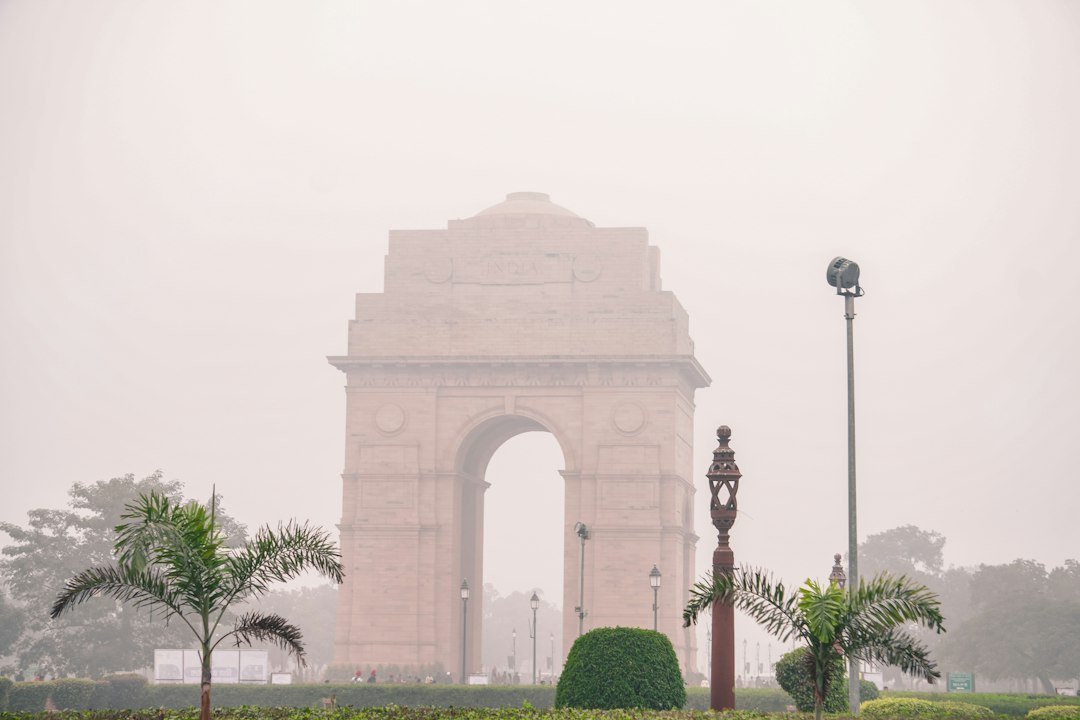
India scored 2 out of a possible 32 points on a global assessment of how national climate plans address public health, tying with Japan and New Zealand for the lowest ranking among 132 countries assessed. The Global Climate and Health Alliance released the findings on 14 October 2026 in the third edition of its Healthy NDC Scorecard, which evaluates Nationally Determined Contributions, the climate plans countries file under the Paris Agreement, against eight health-related indicators.
India registered zero on six of those eight indicators, according to the scorecard. The report found that India’s Nationally Determined Contribution, filed in April 2026, does not mention air pollution at all, a gap the Alliance highlighted against a benchmark figure it cited of 186.2 air-pollution-linked deaths per 100,000 people in the country. The absence stands out given how heavily air pollution features in India’s own domestic public health debate, particularly across northern cities during winter months.
Colombia, Nigeria and Cambodia topped the scorecard’s rankings, demonstrating that strong integration of health considerations into climate plans is achievable for countries facing development constraints comparable to India’s. Their higher scores suggest the gap is not simply a function of national income or administrative capacity, but of how deliberately health ministries and climate negotiators coordinate when plans are drafted.

What the scorecard measures
The Healthy NDC Scorecard, now in its third edition, scores countries on whether their climate plans reference health impacts, set measurable health targets, cost the health co-benefits of emissions cuts, or involve health ministries in drafting. India’s near-blank result across six of eight indicators suggests its climate planning process ran largely separate from health policy structures, despite climate change’s documented effects on heat stress, vector-borne disease and air quality across the country.
The timing of India’s low score carries particular weight given the country’s severe air pollution burden, concentrated most visibly in the Indo-Gangetic plain, where crop residue burning, vehicle emissions and industrial activity combine each winter to push pollution levels far above health guidelines. A climate plan that omits air pollution forgoes an opportunity to align emissions-reduction policy with public health gains that would otherwise follow from cutting the same pollutants.
Scoring zero on six of eight indicators also implies India’s plan sets no measurable health targets and attaches no costed estimate of the health benefits that would follow from its own emissions commitments, according to the scorecard’s framework. That omission matters practically, since costed health co-benefits have in other countries helped justify stronger climate ambition to finance ministries and legislators who weigh mitigation spending against competing budget priorities.
A Global South comparison
The scorecard’s finding that Colombia, Nigeria and Cambodia outperformed India complicates any assumption that health-integrated climate planning requires the administrative resources of wealthier nations. Each of those countries has built health considerations more explicitly into its climate commitments, even while facing its own resource constraints, offering a comparative benchmark for what India’s next NDC revision could incorporate.
Agriculture-linked climate risk, a theme distinct from the health scorecard but increasingly tracked alongside it, has drawn growing regional attention, including through tools such as a newly launched South Asia climate adaptation atlas for agriculture, which maps exposure across the subcontinent. Health researchers have argued that climate plans addressing agriculture, air quality and heat stress together would capture interlocking risks more effectively than plans that treat them in isolation, a coordination gap the scorecard’s authors suggest is now most visible in India’s case.



