
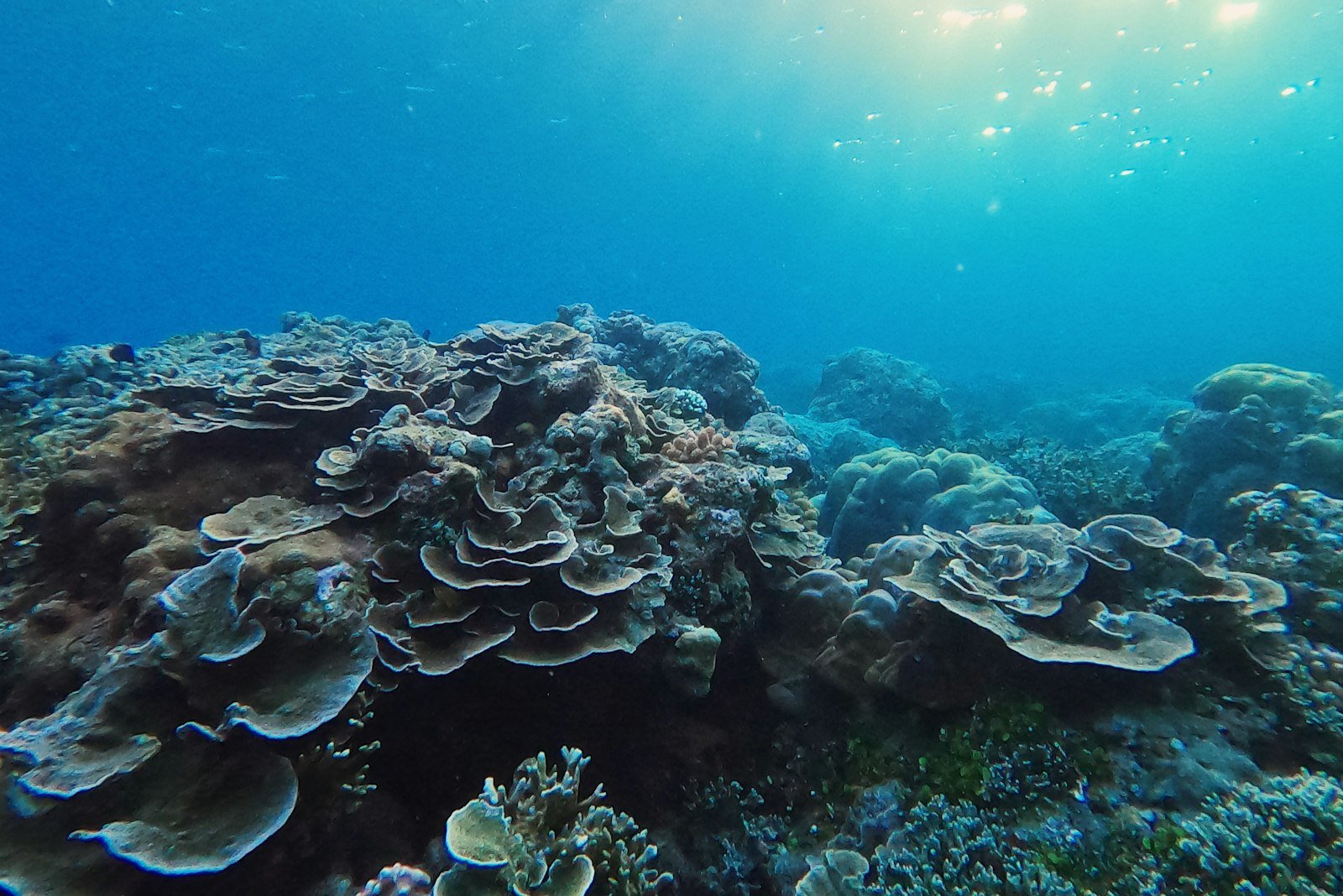
Coral cover at Pulo Panjang, a reef site in Indonesia’s Serang Regency, has risen from 32.8% in 2020 to 60.5% in 2026, according to chemXplore, which reported the figures from a restoration project led by petrochemical company Chandra Asri Group. The site’s coral condition moved from what the report described as “moderately degraded” in 2020 to “good” by this year’s survey, following six years of transplant work.
This year’s addition involved 125 coral fragments placed on repurposed concrete structures the project calls “fish apartment” units, designed to give transplanted coral a stable base while also creating habitat for reef fish. The fragments include three species classed as endangered by the International Union for Conservation of Nature: Acropora grandis, Acropora intermedia and Acropora downingi, alongside Dendrogyra cylindrus, which carries a critically endangered listing.
The project involves several partners beyond Chandra Asri, including the Yayasan Masyarakat Komunikasi Alam Bawah Laut marine foundation, a fisheries polytechnic, and Indonesia’s Ministry of Marine Affairs and Fisheries through its regional marine protected area office in Serang. The multi-year structure suggests a sustained institutional commitment rather than a single transplant event, though chemXplore’s report draws primarily on Chandra Asri’s own account of the project rather than independent monitoring data.

Why the recovery stands out
Coral restoration projects across Southeast Asia have had mixed results over the past decade, with transplant survival rates varying widely depending on water temperature, local pollution and storm exposure. A rise from roughly a third to around three-fifths live coral cover over six years represents a substantial recovery by the standards typically reported for community and corporate-backed restoration schemes in the region, assuming the methodology behind the coral-cover survey held consistent across the full period.
The inclusion of multiple IUCN-listed Acropora species among the transplanted fragments adds conservation weight beyond simple cover statistics, since restoring reef structure with threatened species can support broader biodiversity recovery rather than coral cover alone. Reef fish populations often respond to structural recovery with a lag, meaning the “fish apartment” habitat elements may take additional years to show their full effect on surrounding marine life.
Context for a corporate-led project
Corporate-backed conservation projects in Indonesia have drawn scrutiny in the past over the gap between announced goals and independently verified outcomes, making third-party monitoring an important test for claims like Pulo Panjang’s. ChemXplore’s report does not specify whether an independent body verified this year’s coral-cover figures, or whether the methodology used in 2026 matches that of the original 2020 baseline survey closely enough to support a direct comparison.
Even with those caveats, Pulo Panjang’s reported trajectory offers a rare example of measurable reef recovery in a region where coral cover has more often declined than improved over the same period, driven by warming seas, coastal development and fishing pressure. Whether the project’s partners plan further expansion, and how they intend to sustain monitoring once initial funding cycles end, remain open questions the available reporting does not address.



