
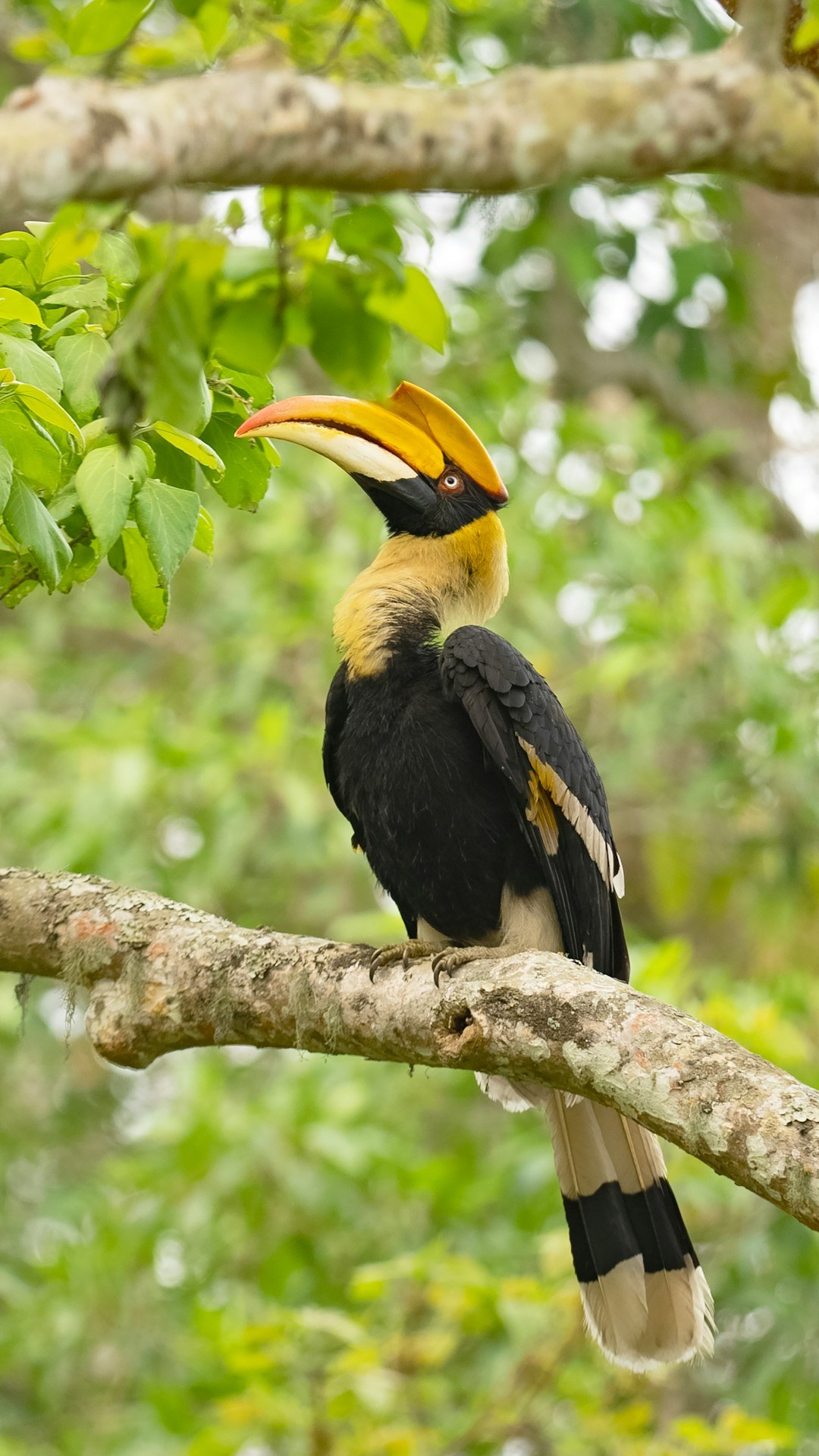
International wildlife traffickers have begun targeting Indonesia’s maleo, a Critically Endangered bird previously threatened mainly by egg collection, according to a new study published in the Journal of Asian Ornithology.
The maleo, known for the bony casque on its head and found only on the island of Sulawesi, is fully protected under Indonesian law and listed under CITES, making its capture and international trade illegal. Researchers led by Chris R. Shepherd documented three seizures in 2024 involving 25 live birds, the first clear evidence that the species has entered the international pet and collector trade rather than being taken purely for food.
Customs officers in Mumbai intercepted five maleo; all five died before they could be sent back to Indonesia. Jakarta authorities seized 12 birds before smugglers could move them onward to India. A third shipment of eight birds was confiscated in Kochi after transiting through Thailand; those birds remain in Thai government facilities, despite the species having no natural range there.

Many of the trafficked birds were recently hatched juveniles, suggesting they were taken directly from nesting grounds rather than bred in captivity. Shepherd said any maleo found in international trade should be assumed to have been taken illegally from the wild, since no legal captive-breeding supply exists for the species.
Thailand as a trafficking hub
The study singles out international airports, particularly in Thailand, as transit points for wildlife smugglers moving birds between Southeast Asia and South Asia. Researchers are calling for tighter airport surveillance in Indonesia, Thailand and India, along with clearer repatriation protocols so seized birds are not left stranded in holding facilities indefinitely, as happened with the Kochi shipment.
The maleo’s main historical threat has been egg collection: the species buries its eggs in warm volcanic or coastal sand and relies on geothermal or solar heat rather than incubating them, which makes nesting grounds easy for egg hunters to find and exploit. Conservationists have spent years working to protect nesting beaches from egg poaching, with mixed success as human encroachment on Sulawesi’s forests continues.
Indonesian law allows prison terms of up to five years and substantial fines for trading in protected species, but enforcement against international smuggling networks has proven far harder than policing the domestic egg trade, where rangers can at least patrol known nesting beaches directly. Returning seized birds to the wild is not simple either: officials must confirm an animal’s health and likely point of origin before any release, a process that can take months and sometimes ends, as it did in Mumbai, with the birds dying in captivity before transport could even be arranged.
A conservation assessment due for an update
The study’s authors argue that international trafficking should now be formally recognised as a threat in future conservation assessments of the species, alongside habitat loss and egg collection, so that funding and enforcement attention reflect the maleo’s actual risk profile. The species’ population is already small and fragmented across Sulawesi’s forests and coasts, and the loss of even a few dozen birds a year to trafficking could meaningfully affect local populations.
The case echoes wider patterns of wildlife crime researchers have tracked across South and Southeast Asia, where protected species move along similar smuggling routes regardless of their origin, and it has a domestic parallel: wildlife officials in Maharashtra are piloting a non-lethal response to human-leopard conflict in a district where big cats and farming communities increasingly overlap. It also lands as conservationists gather for COP17, the UN biodiversity summit under way in Yerevan, where delegates are weighing how much of the world’s remaining wild habitat can realistically be protected from both habitat loss and the kind of targeted poaching now facing the maleo.
For Indonesia’s wildlife authorities, the study adds a new enforcement priority to an already long list, one that will require cooperation from customs agencies thousands of kilometres from Sulawesi’s nesting beaches if it is to be contained before trafficking becomes entrenched.


