
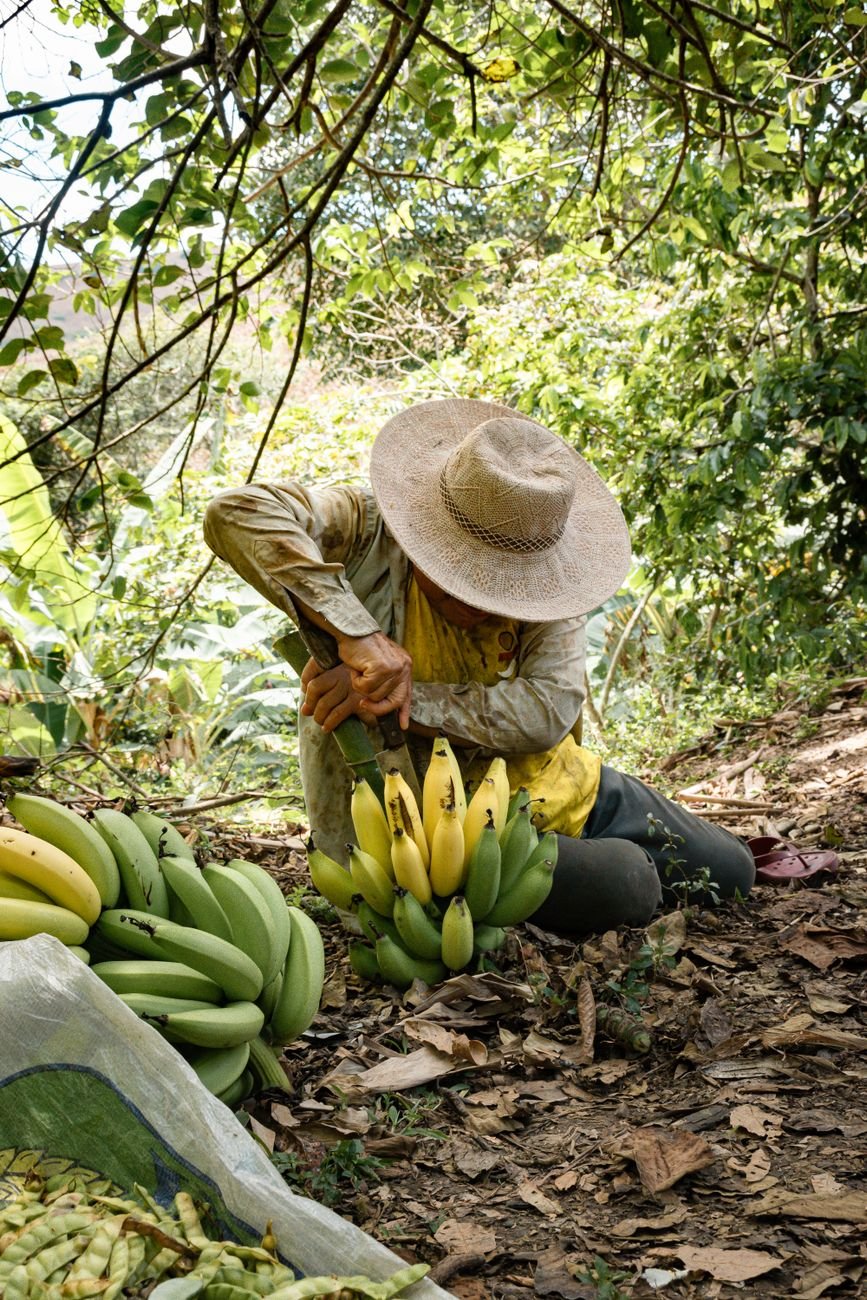
Ecuador’s banana exporters shipped more than 210 million boxes in the first half of 2026. That is a 5.5% rise on the same period last year. The figure comes from data published by the Association of Banana Marketing and Export of Ecuador, known by its Spanish acronym Acorbanec. Ecuador accounts for roughly a quarter of global banana shipments, according to the UN Food and Agriculture Organization. That share makes it the sector’s single most important supplier. Shifts in its export mix can move prices and availability across multiple continents.
The European Union remained Ecuador’s largest market. It absorbed 33% of total shipments, as imports there rose 13% year on year, the strongest growth of any major destination. Acorbanec credited the increase to stronger demand from a wide spread of EU countries. That list included Spain, France, Italy, Poland and several smaller Nordic and eastern European markets. The spread suggested the growth was broad-based rather than driven by a single buyer. Russia took close to 21% of exports, up around 10%. The Middle East accounted for 15%, up nearly 12% overall, with shipments to Turkiye climbing 59% and to Saudi Arabia 24%.

A mixed picture across other markets
Other markets moved in the opposite direction. Exports to the United States, which took 11% of the total, fell 9% over the half-year. Shipments to East Asia dropped 8%, largely on weaker demand from Japan and South Korea. Sales to Africa collapsed by 44% after Ecuador lost market access in Algeria. That decline erased much of the ground gained in Europe, and it underlined how quickly a single trade dispute can reshape an exporter’s regional balance.
China bought about 2% more than a year earlier. That modest gain followed a free-trade agreement that cut Beijing’s tariff on Ecuadorian bananas from 10% to 7% in 2026. The reduction made Ecuadorian fruit more competitive against rival suppliers in the Chinese market. South American buyers increased purchases by 9%, adding a further source of growth closer to home.
On the production side, bunch bagging rose nearly 2%. The measure tracks a standard stage of crop activity on Ecuadorian plantations. It offers an early read on export volumes later in the year. Acorbanec attributed the increase to normal seasonal development rather than any single policy change. Higher yields per bunch and additional acreage coming into commercial production also contributed, the association said.
Shipping costs climb as risks mount for the second half
Acorbanec flagged two separate threats to that momentum heading into the second half of the year. The first is weather. Heavy rainfall and flooding across the coastal provinces of Los Rios, Guayas and El Oro could disrupt production through the remainder of the year. Developing El Nino conditions add further uncertainty, since these three provinces account for a large share of the country’s banana-growing land.
The second threat comes from shipping. Closures affecting the Strait of Hormuz and the suspension of some shipping services have pushed freight and insurance surcharges higher. Surcharges are now up by $300 to $600 per container, or about £225 to £450 in sterling terms. The higher costs are also delaying vessel schedules for exporters already working on thin margins.
Those added costs illustrate how closely Ecuador’s banana trade now depends on global shipping conditions far beyond its own plantations. Bananas remain one of the country’s largest agricultural exports, so a sustained rise in freight charges would affect far more than a single harvest. The sector built its first-half growth on resilient European demand and a favourable China tariff shift. It is entering the second half of 2026 facing higher logistics costs and weather risks that could test whether that growth holds.
Acorbanec’s figures point to a trade that is still expanding overall, even as its market mix keeps shifting. Shipments are moving further away from the United States and Africa and more firmly toward Europe, Russia and the Middle East.
Ecuador’s shifting trade map mirrors other export stories this week, including Sri Lanka’s pepper and cinnamon-led export surge and Tanzania’s rising fish export earnings, as exporters across the global south reroute around shifting demand and shipping costs.



