
Selu Africa Limited plans to invest Sh13 billion over three years to expand maize farming at Kenya’s Galana-Kulalu irrigation scheme in Kilifi County, growing cultivated land from 500 acres in 2025 to 2,000 acres this year on a 20,000-acre concession, Capital FM reported on 27 October via AllAfrica.
Equity Bank is financing the commercial expansion as part of a wider push to lift agriculture to 30% of its loan book under its Africa Recovery and Resilience Plan. “We continue to spend hundreds of billions of shillings annually importing food. That gap is our opportunity,” said Equity Bank Kenya managing director Moses Nyabanda.
Drones, data and a yield target
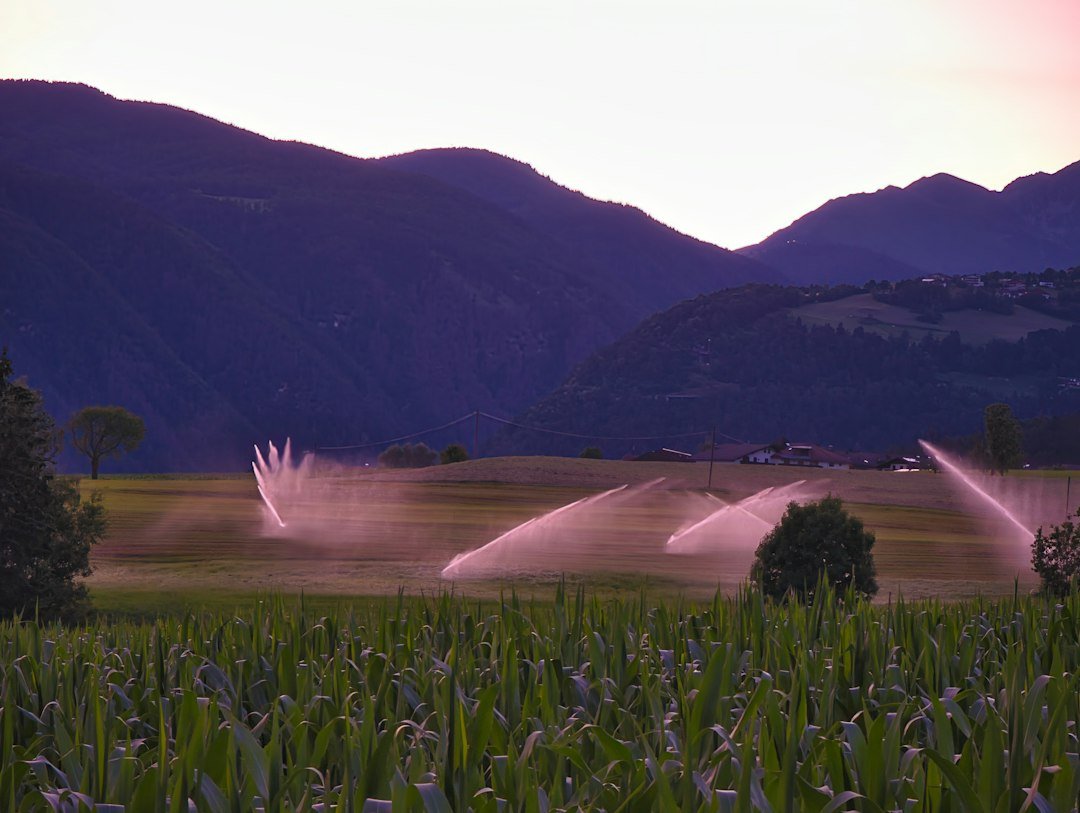
The farm already reports yields of up to 35 bags per acre and is targeting more than nine tonnes per hectare, using irrigation sprinklers, agricultural drones, renewable energy and data-driven input decisions, according to Selu Group founder Peter Njonjo. International partners AGCO, Campo and Bayer AG are involved, with LEAF Africa supporting the research side.
Agriculture makes up about 23% of Kenya’s GDP, and the country spends heavily on food imports each year as unpredictable rainfall disrupts domestic harvests. Galana-Kulalu’s backers argue that commercial-scale, technology-driven farming can close that gap faster than smallholder expansion alone.
Regulators are watching the water
The scale-up is not without friction. An environmental assessment published by Kenya’s National Environment Management Authority in late August, covering a related 10,000-acre phase of the project run by Selu Galana Farm Limited, recommended sharing river water fairly among users, forming a Galana River Users Association, and keeping a three-month irrigation water reserve, Kenyans.co.ke reported.
The same assessment flagged human-wildlife conflict risk as farming spreads across the project area, recommending a 100 to 500-metre riverine buffer to preserve wildlife migration corridors and faster construction of the Galana Dam to secure supply. NEMA also called for mapping herders’ traditional migration routes before further land is brought under irrigation.
Neither Capital FM nor Kenyans.co.ke reported how the two Selu-linked entities have responded to the water-sharing and corridor recommendations, or whether construction on the Galana Dam has advanced since August.
The tension here is a familiar one across East Africa’s large-scale irrigation projects: the same river that can turn semi-arid land productive also sustains wildlife and downstream communities that were there first. Galana-Kulalu’s expansion plans assume the Galana River can support both. Whether that holds will depend on infrastructure, like the long-delayed dam, that is still being built.



