
A record crop after a hard year
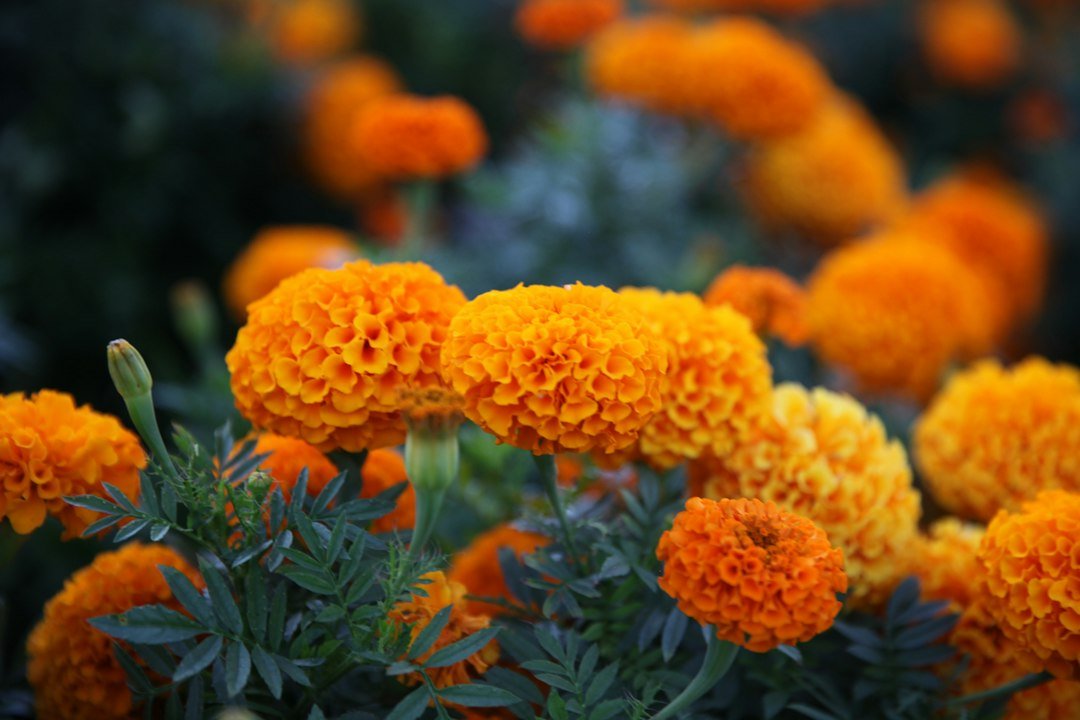
Mexico City’s cempasúchil, or Mexican marigold, growers produced a record 10 million plants this season, up 53.8 percent on last year, according to figures announced by Mayor Clara Brugada on 27 October. The flower, grown mainly on the chinampas, the artificial farming islands of southern Xochimilco, is central to Day of the Dead altars across the country, where it is known as the “flower of the dead” and believed to guide souls home.
The record came after flood damage in Xochimilco earlier in the year threatened the harvest. The city government contributed more than 8 million pesos (approximately $428,100 at current exchange rates, USD/MXN approximately 18.85, xe.com) directly to 597 producers to support recovery and replanting.
Rebuilding on the chinampas
Xochimilco’s chinampa system, a network of canal-side raised fields dating to pre-Hispanic times, is both the flower’s traditional home and a conservation priority in its own right. Officials have tied this year’s support package explicitly to that dual purpose: Cirse Camacho, Xochimilco’s head of local government, thanked the city for backing producers and stressed the programme’s role in the “recovery of the region’s agricultural sector” after the flooding.

Growing cempasúchil on the chinampas is also framed as a conservation tool. City officials say the practice “contributes to the preservation of chinampa gardens and conservation land,” and shoppers are encouraged to look for a Green Seal on flowers, which signals they were grown on protected conservation land under sustainable practices rather than on land cleared for the purpose.
Where the flowers go
This year’s crop is sold across all 16 of the capital’s boroughs, with plants priced at 15 to 30 pesos (roughly $0.80 to $1.60). The city’s main public displays include a marigold trail through Chapultepec Park and a Zócalo installation featuring a Catrina figure more than 30 metres tall surrounded by 100,000 plants. Festivities run from 30 October to 2 November, coinciding with the traditional Day of the Dead observances on 1 and 2 November.
A flower under growing climate pressure
The record harvest sits alongside a longer-running concern among Xochimilco’s growers: climate volatility. Torrential rains and flooding have repeatedly damaged marigold crops in recent years, and some farmers have switched to shorter, hardier hybrid varieties that are easier to bring to market but, researchers at a local seed bank argue, carry less genetic diversity than native varieties bred over generations to withstand local conditions. That tension, between the reliability of hybrids and the resilience that comes from genetic diversity, is becoming a recurring theme in how Xochimilco’s growers plan each season.
This year’s figures suggest that targeted municipal support, channelled directly to affected producers rather than spread broadly, helped growers recover faster than the flood damage alone would have predicted. Whether that model holds in a wetter, less predictable rainy season next year is the open question hanging over an otherwise record-breaking harvest.
For now, the record stands as a rare piece of good news for a sector that has spent recent years absorbing one weather shock after another, and growers in Xochimilco say they are already watching the skies for next year’s rains with more caution than celebration.
Related: Vanuatu’s taro farmers are navigating a similar tension between resilient heirloom varieties and higher-yielding alternatives as cyclones become more frequent.



