
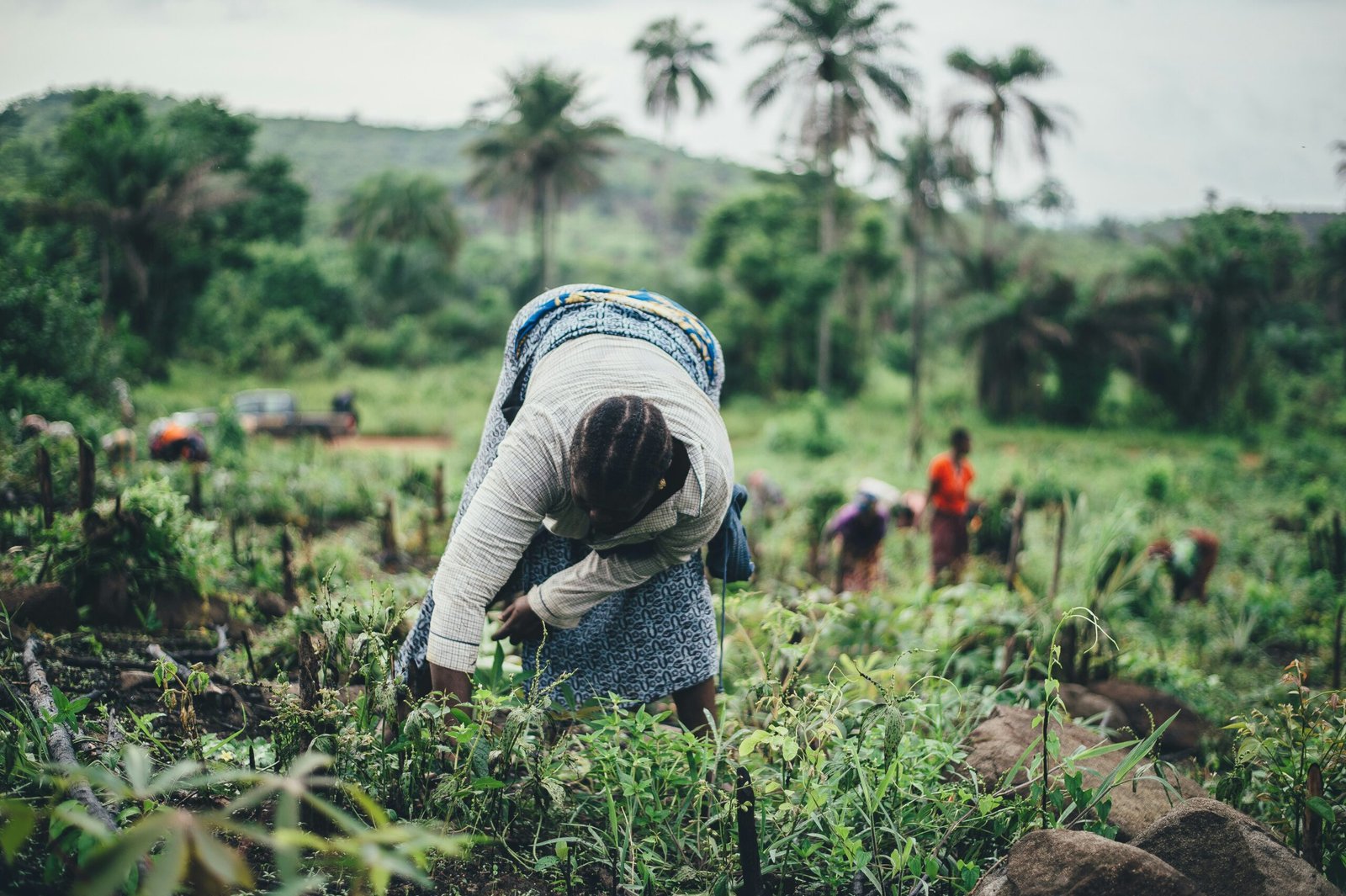
Rwanda’s National Agriculture Insurance Scheme covers just 6% of the country’s farmers, members of parliament said this week, despite years of climate shocks that have repeatedly hit crops and livestock. The figure emerged during a parliamentary session reviewing the performance of the agriculture ministry, MINAGRI.
MPs pressed ministry officials on why uptake has stayed so low even as droughts, floods and erratic rainfall have become more frequent across Rwanda’s farming regions. The scheme, known as NAIS, was designed to give smallholders a financial cushion when weather destroys a harvest or kills livestock. For the vast majority of growers, that cushion does not exist.
Rwanda is not approaching this gap for the first time. The government has introduced earlier initiatives meant to widen access to agricultural insurance, and successive waves of drought and flooding have prompted fresh calls from lawmakers and farm groups to scale up coverage. Each round of climate shocks has renewed the same warning: without insurance, a single bad season can wipe out a farming household’s income for the year.
Lawmakers used the session to probe why earlier efforts to widen the scheme’s reach have not shifted the uptake figure by much. Officials fielded questions on pricing, outreach and whether farmers understand what the scheme covers, though MPs said the answers so far have not explained why coverage remains concentrated among a small minority of growers rather than spreading across Rwanda’s farming districts.

A financing gap with no quick fix
Low uptake of farm insurance is a familiar problem across much of Sub-Saharan Africa, where premiums can be unaffordable for smallholders and where insurers have struggled to design products suited to small, rain-fed plots. Rwanda’s 6% coverage rate puts a hard number on a problem regional governments have debated for years without resolving it. Part of the difficulty is structural: insurers calculating risk on tiny, scattered plots face higher administrative costs per policy than they would on large commercial farms, which keeps premiums high relative to what a smallholder earns in a typical season.
The country’s farming sector remains dominated by smallholders working small, often fragmented plots, many of them dependent on rainfall rather than irrigation. That dependence leaves households with little room to absorb a failed season, which is precisely the risk crop insurance is meant to offset. MPs used this week’s session to argue that the ministry needs a clearer plan for closing the gap, rather than relying on schemes that have so far failed to reach most farmers.
Rwanda’s financing shortfall is not an isolated case. Governments elsewhere on the continent are pursuing their own routes into rural resilience financing, often in partnership with international development agencies working on climate adaptation and smallholder support. Many of those programmes share the same design challenge Rwanda is confronting: building a product cheap enough for a smallholder to buy, yet viable enough for an insurer to keep offering season after season.
What happens next
MPs did not set out a formal timeline or a new coverage target during the session, and ministry officials have yet to publish a response setting out how they intend to raise the 6% figure. For now, the exchange leaves Rwanda’s farmers in a familiar position: aware that the next drought or flood could arrive at any time, and aware that insurance, for all but a small fraction of them, will not be there to help absorb the loss.
The disclosure adds to a growing body of evidence, raised in Rwanda’s parliament and in similar debates in neighbouring countries, that insurance products built for commercial farms do not automatically translate into tools smallholders can afford or trust. Until that changes, climate shocks will keep landing on farmers directly, with little between them and the full cost of a lost harvest.



