
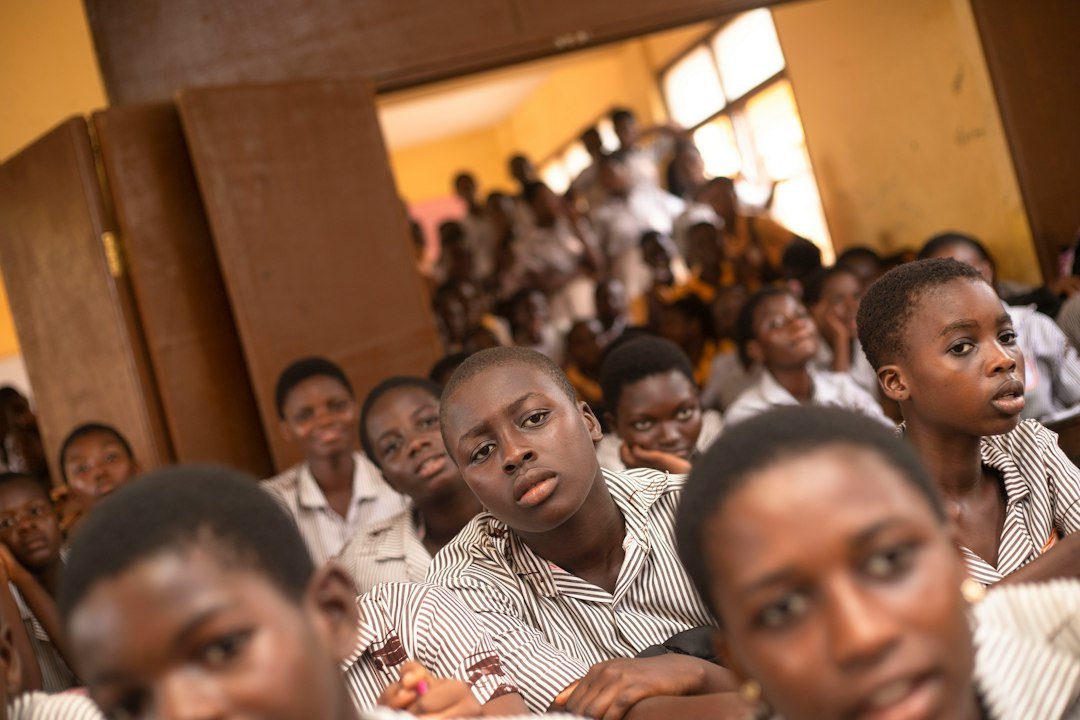
Zambia opened the 2026 Global Child Nutrition Forum in Lusaka on 2 November 2026. Vice-President Mutale Nalumango told delegates that school feeding is “not charity” but a strategic investment in education, health, agriculture and national development. She spoke on behalf of President Hakainde Hichilema, under the theme “From Vision to Action: Achieving Ambitious School Meal Programme Objectives.”
Zambia’s Home-Grown School Meals Programme now reaches more than 5.6 million learners across all 116 districts. It also creates markets for local farmers who supply the food those learners eat each day. Nalumango said the programme improves learners’ concentration, attendance and participation, and she linked it directly to the country’s Free Education Policy, which has driven enrolment higher in recent years.
Climate shocks test a growing programme
Nalumango named climate shocks, inadequate school infrastructure, limited access to clean cooking technology and persistent malnutrition as the main challenges facing further expansion. “We cannot achieve ambitious school meal objectives alone,” she told delegates, calling for stronger partnerships between government, development partners, civil society, academia and the private sector.

Zambia’s experience reflects a wider regional question about how school feeding programmes absorb climate disruption without losing momentum. A single poor harvest can strain the local sourcing model that lets school meals double as a guaranteed market for smallholder farmers. Schools depend on those same harvests holding up, so the two systems rise and fall together.
The forum drew delegations working on similar programmes elsewhere in the Global South, where school feeding has become one of the most direct links between agriculture policy and public health. Officials at the Lusaka gathering shared practices on financing, local procurement and infrastructure gaps. Nalumango urged delegates to showcase interventions that have worked in their own countries, rather than present only aspirations.
A platform built over years
The Home-Grown School Meals Programme traces its scale-up partly to partnerships that brought outside funding and technical support into Zambia’s existing school system. That support allowed the government to extend coverage well beyond what domestic financing alone would support in the programme’s early years. Nalumango’s remarks suggested the government now wants to formalise that model further, rather than treat outside partnerships as a stopgap measure.
The emphasis on agriculture is deliberate. By buying from nearby smallholders, Zambia’s programme aims to strengthen rural incomes at the same time as it feeds children. That dual goal mirrors approaches tried in Kenya, Rwanda and several West African countries, each adapting the same basic model to local conditions. Officials acknowledge the model only works if local harvests are reliable enough to supply schools consistently, which is why climate resilience featured so heavily in Monday’s opening remarks.
Nalumango closed her address by urging forum delegates to treat the week’s discussions as a starting point rather than a formality. She repeated the forum’s own framing that nutrition programmes must move “from vision to action.” Zambia’s own next step, officials said on the sidelines, is tightening coordination between the agriculture and education ministries, so that school demand and farmer supply are planned together rather than separately as they often have been in the past.
The Global Child Nutrition Forum itself has grown into one of the main annual venues where governments compare notes on financing and delivery models for school feeding, drawing participants from across Africa, Asia and Latin America each year. Zambia’s hosting role this year gives it a platform to showcase the Home-Grown programme to peer governments weighing similar investments of their own.



