

The morning air in Mikindani carries the acrid smell of burning plastic mixed with salt from the nearby Indian Ocean. By 6 AM, Anita James is already at her collection point, a corrugated iron structure that serves as both warehouse and sorting facility. She counts out 1,000 shilling notes, preparing for the daily ritual that sustains 13 families and processes tons of Mombasa’s plastic waste.
“Mama Anita, I have 47 kilos today,” calls out a woman worker, hefting a bulging sack onto the industrial scale. With this, she will earn enough to buy food for her three children and pay a portion of their school fees. Behind her, a queue of collectors forms, each dragging sacks and modified mkokoteni carts loaded with plastics gleaned from Mombasa’s streets, beaches, and dumpsites.
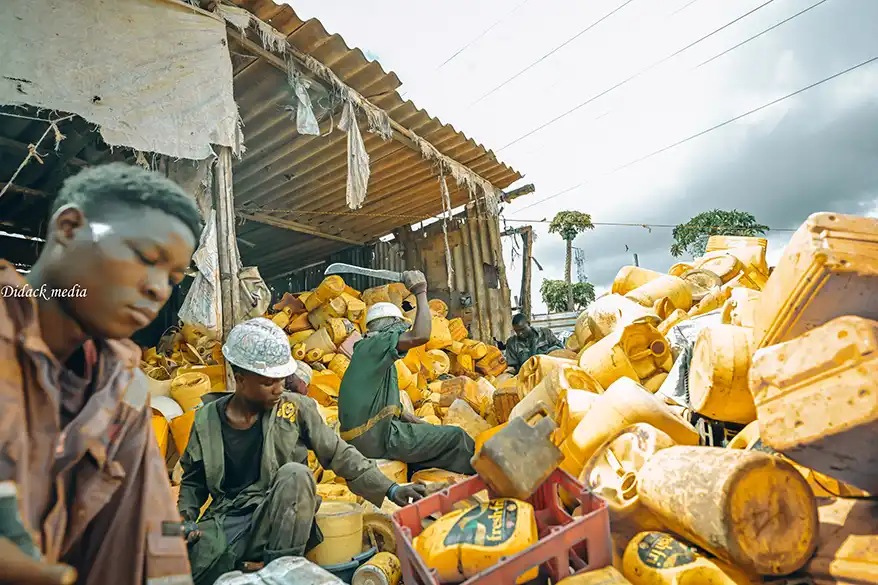
This scene repeats six days a week at Anita’s facility, one centre in Kenya’s vast informal recycling network that processes several thousand tons of plastic annually.
While government officials debate waste management policies in air-conditioned offices, grass roots entrepreneurs like Anita are building the infrastructure that actually diverts plastic from landfills and oceans.
At 40, Anita inherited a family business, and a place in Mombasa’s recycling ecosystem. An inspiration and model for women – and other entrepreneurs globally – on how to drive job creation locally, she grew up in Kayole in Nairobi. Her family had collected and sold plastics since long, when recycling was seen as the province of the desperate rather than environmental pioneers.
“My family started with just a weighing scale and relationships with a few collectors,” Anita explains. “Now we sort seven different types of plastic and supply directly to recycling plants.”
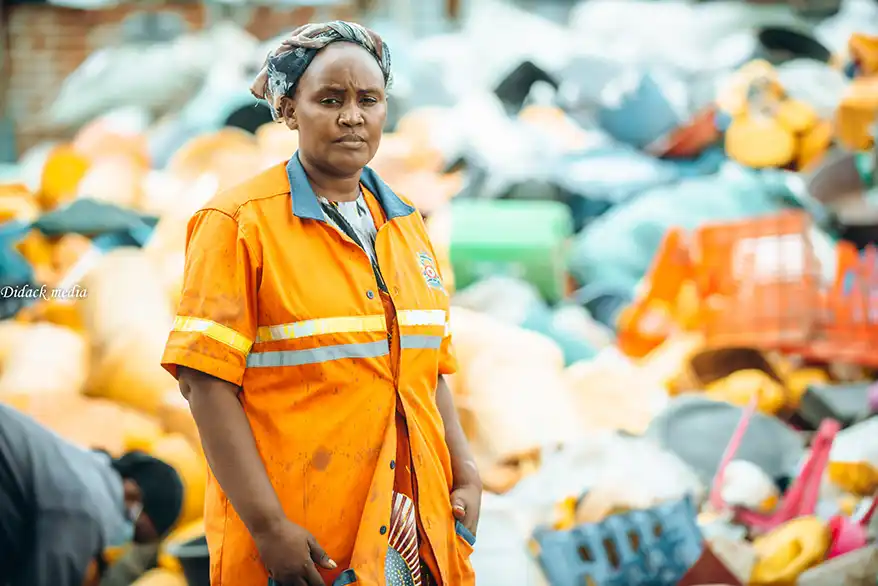
The economics of her operation reveal both the potential and constraints of Kenya’s recycling sector. Anita buys plastics depending on type and cleanliness. After sorting, cleaning, and baling, she sells to recycling plants. From the revenue, she must pay her 13 employees, rent, transport, and increasingly burdensome licensing fees.
“The county government charges us for operating permits, plus monthly fees for ‘environmental impact,'” she says. Sadly, these enterprises are not valued for the environmental services they render.
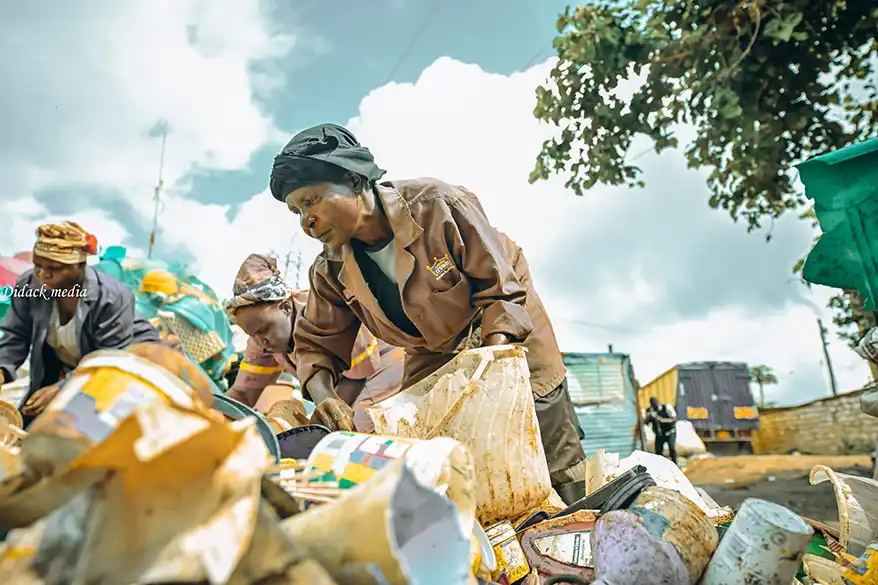
Her women employees sort plastics with practiced efficiency. They separate PET bottles from HDPE containers, remove caps and labels, and reject contaminated items. The five men handle the heavier work such as operating the manual baling machine, loading trucks, and managing the constant flow of material.
The real constraint on Anita’s business isn’t demand as recycling plants have an insatiable appetite for clean, sorted plastic. It’s capital. She requires consistent cash flow to purchase all available material. Every morning, collectors arrive with plastics she cannot afford to buy, material that returns to dumpsites or finds its way to the ocean.
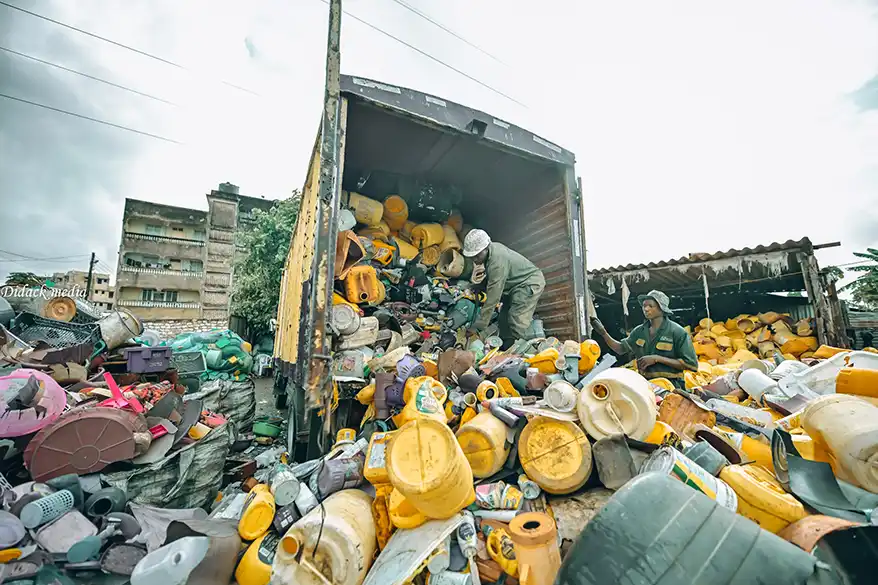
A mechanical shredder would transform her operation. Commercial banks won’t lend to informal businesses without title deeds. Microfinance institutions charge prohibitive annual interest, making equipment loans unviable. The irony is stark: a business that provides clear environmental and social benefits cannot access the modest capital needed to scale.
This capital constraint ripples through the local economy. If Anita could buy all available plastic, she estimates 30 additional collectors could earn steady incomes. With a shredder, she’d need five more employees for processing. A washing line would add another ten jobs and increase material value significantly. Each expansion would pull more plastic from the environment while creating employment in a community where majority of youth lack formal jobs.
The collectors who work with Anita face their own challenges. They navigate Mombasa’s dumpsites and streets without protective gear, exposed to hazardous materials and broken glass. Many cannot afford proper housing, living in makeshift shelters near collection areas. Their work is essential to the city’s waste management, yet they operate without recognition or support.
“People see plastic in the ocean and blame us,” Anita says, watching her team load a truck bound for a recycling plant. “But look at what we do with no support, no subsidies. Imagine if we had real investment.”
The truck pulls away carrying two tons of plastic that won’t reach the ocean. Tomorrow, Mary Wanjiru and dozens like her will be back, sacks in hand, ready to sell. And Anita will be there, counting out shillings, running a business that exists because waste has value and poverty makes people resourceful.
For Kenya’s informal recyclers, the path forward is clear: accessible credit for equipment, fair licensing fees that recognize their environmental service, and basic safety equipment for collectors. These modest interventions could unlock a recycling revolution led by those who already understand the value in what others discard. In Mombasa’s circular economy, the only waste is the potential left unrealized.

Allan Okumu is the Lead Creative Director at Didack Media. He is a climate change storyteller and humanitarian photographer.
Reach out to Allan via Linkedin
Email: info@didackmedia.com
Visit: https://didackmedia.com