In Haiti today, farmers face a crisis that no harvest alone can solve. Hurricane Melissa has just ripped through the region, flooding lowlands and sweeping away fragile plots already weakened by drought. At the same time, gangs tighten their grip on the roads, blocking supply routes and isolating farming communities. Agriculture—the lifeline of millions—now stands at the intersection of climate collapse and lawlessness. For those who still till the soil, survival has become an act of endurance.
Roadblocks of Fear
In the once-peaceful hills of Kenscoff, known for its terraced vegetable gardens and fresh mountain air, farmers now struggle under a shadow of fear. As gang violence encroaches from Port-au-Prince, the routes that once carried crates of lettuce, carrots, and cabbage to the capital’s markets have become perilous. Many are forced to abandon their harvests or watch helplessly as crops spoil in the fields. Trucks sit idle at blocked roads, produce rots under the sun, and the promise of income fades with each checkpoint.
For Kenscoff’s farmers and most of Haitian farmers, cultivating the land is no longer just a livelihood—it is an act of courage against threats from both armed groups and nature.
The violence is not a side note—it strikes at agriculture’s economic arteries. When roads are cut, essential inputs like improved seeds, fertilizer, and tools cannot reach the farm. When markets are inaccessible, farmers are forced to accept lower prices—or none at all. Resilience is hard to sustain when harvests sit waiting by blocked roads and every journey to market feels like a risk.
Storms from the Sky
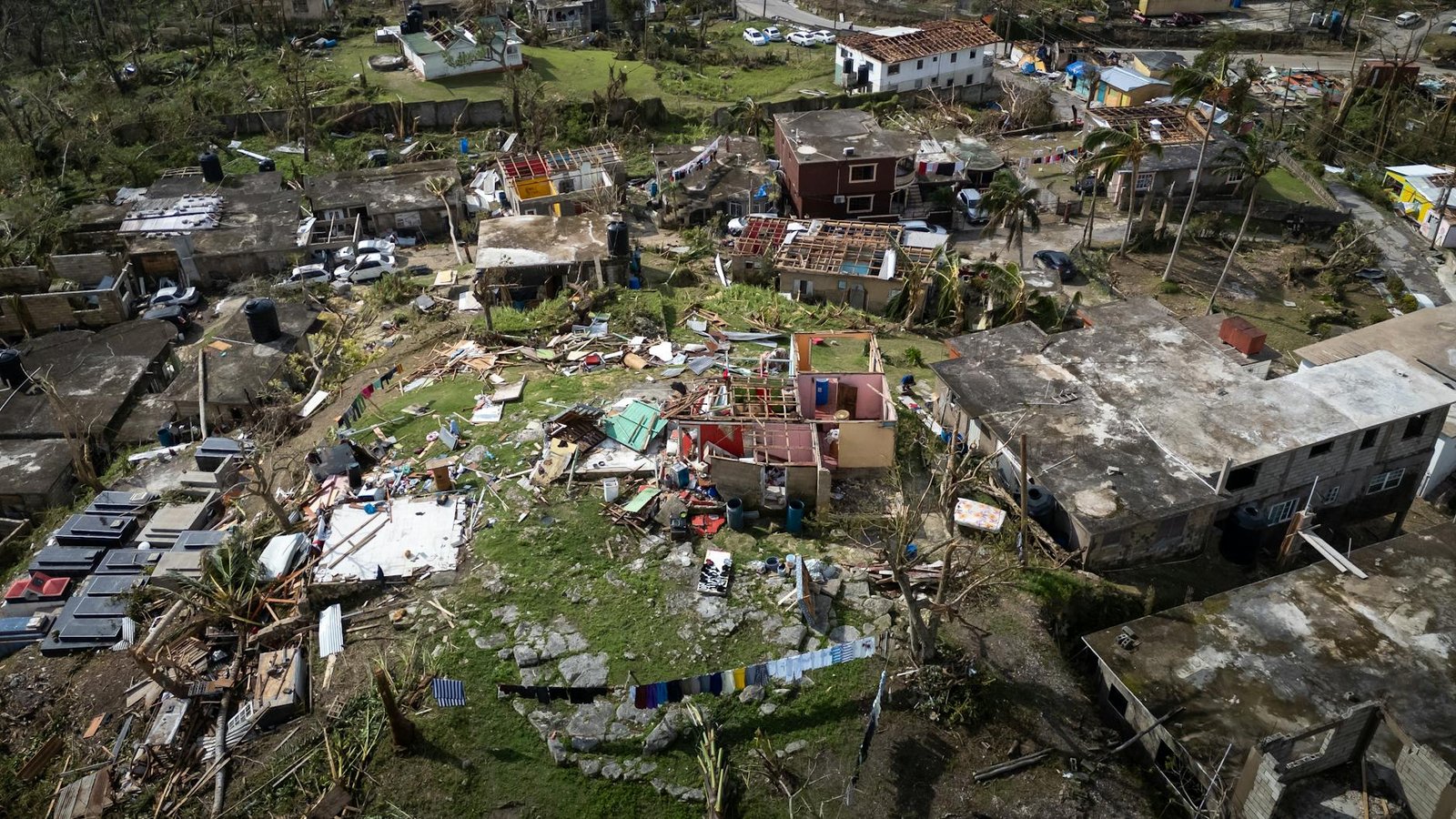
And then the heavens open. In late October 2025, Hurricane Melissa, though making landfall in Jamaica as a Category?5 storm, unleashed torrential rains, flooding, and landslides across southern Haiti. Preliminary assessments revealed severe losses in both cash and staple crops, along with damage to rural infrastructure and blocked access roads—threatening to delay planting across agricultural zones.
For a farmer whose field had survived the gangs, Melissa was a cruel reminder of how fragile their work is. Flooded plots, washed-out roads, and collapsing hillsides meant entire seasons could be lost in a single night. In Haiti, where most farmers rely on rain-fed plots and less than 10% of farmland is irrigated, every downpour, every slope that slides, is a threat to the household’s survival.
The Twin Burden
Combined with the dangers of gang-controlled roads, these storms reveal the structural fragility of Haiti’s food system. Farmers are anchored to their land, but their connection to markets is precarious. They plant crops—but nature can betray them. No amount of courage or skill can fully protect a rural household when armed groups block access and storms sweep away months of labor.
This dual pressure has, in many ways, become the new normal. A farmer in Nippes might sow vegetables with the hope of selling in Port-au-Prince, only to face armed checkpoints that turn the road into a death trap—and then watch a storm wash away the produce while waiting helplessly. The result is hunger, lost income, and an erosion of hope that sustains communities.
Investing in Resilience
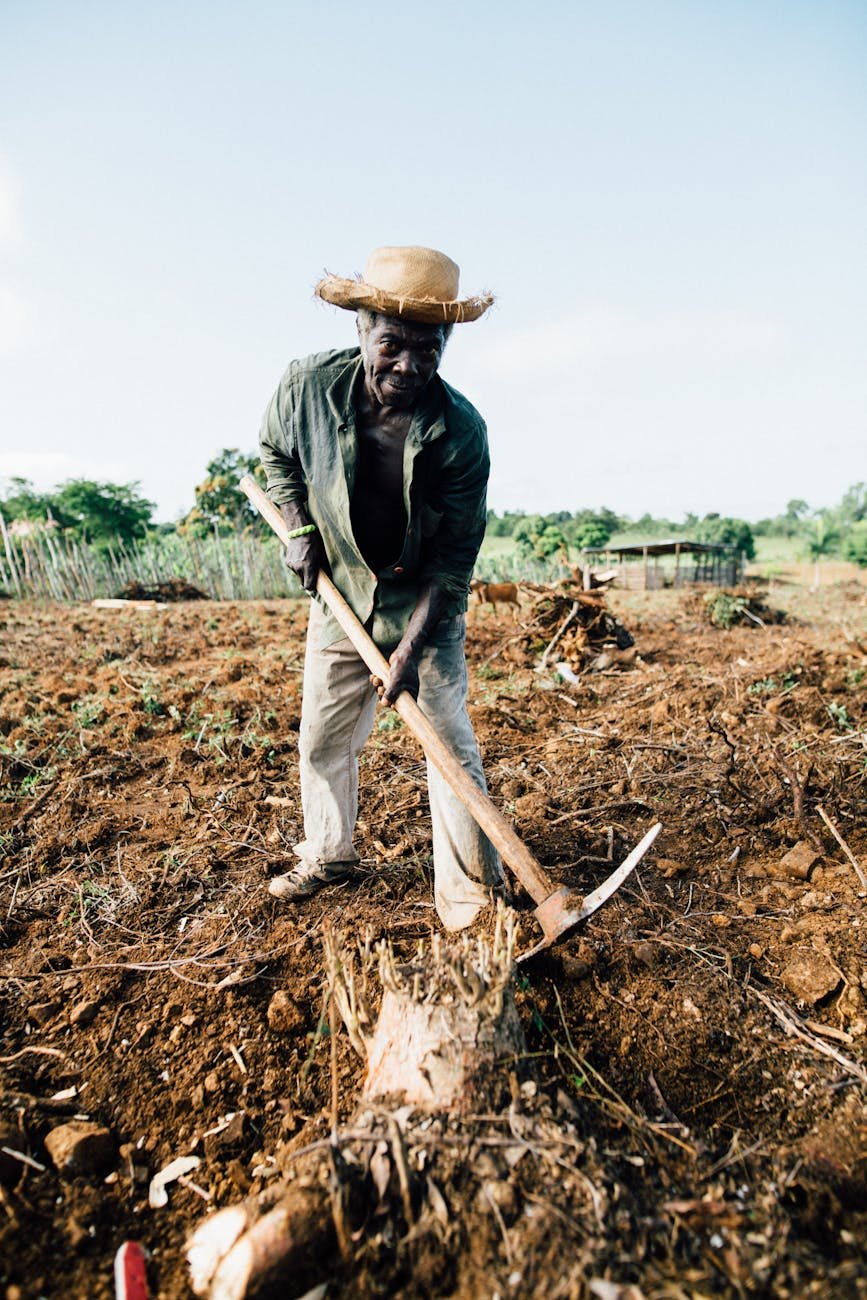
True resilience cannot be built by addressing threats in isolation. It must tackle both violence and climate together. Roads must be secured to ensure safe passage from farm to market; without open routes, even increased production will remain stranded in the fields. Farmland must also be adapted to withstand storms and droughts through smart irrigation, drought- and flood-resistant crops, agroforestry, and soil-conservation measures.
Farmers need access to finance and markets to turn their harvests into income, while extension services provide the knowledge to anticipate and adapt to climate shocks. Communities must organize cooperatively, sharing risk and maintaining collective infrastructure. Where gang-controlled roads block traditional supply chains, secure local hubs and processing centers can ensure crops still reach consumers. Resilience is only possible when farmers, markets, and communities work together against both human and natural threats.

A Critical Moment
Haiti stands at a crossroads. Hurricanes like Melissa may become more frequent and intense, a reality scientists link to climate change. Many rural roads will remain under the influence of armed groups unless coordinated action is taken. Agriculture cannot thrive in isolation. It depends on security, infrastructure, and climate adaptation working in tandem.
When these threads are strengthened, farmers can plant with confidence, harvest without fear, and deliver crops to market. Trucks roll, fields endure storms, and communities regain dignity, hope, and resilience. Neglect even one of these elements, and the system collapses; harvests are lost, markets stall, and livelihoods crumble. Investing in resilience is not optional; it is the foundation for Haiti’s food security, prosperity, and stability.
A Farmer’s Pledge
I grew up in a farming family in rural Haiti. I know what it’s like to sow seeds as hope and wait, season after season, for rain, for harvest, for market access. I know what it is to watch a storm roll in and see fields submerged; I’ve felt the fear when a road is blocked and the harvest must wait. But I also know that Haitian farmers are ingenious, resilient, and deeply committed. With the right support and resources—security, infrastructure, and climate-smart systems—we can shift from survival to prosperity.
Investing in agriculture may look like seeds and farm equipment, but it is also trade, security, adaptation, roads, and markets. We must confront the obstacles in its path: gangs controlling the roads, storms washing out fields, lack of irrigation, and disconnected supply chains.
Haiti cannot afford to wait. The price of delay is too high: every blocked road, every flooded field, every lost harvest chips away at resilience. The choice is clear: unify agriculture, security, and climate adaptation—and give our farmers the chance to feed families and sustain the nation.

Reginald Toussaint grew up in a farming family in a remote Haitian village, where he learned firsthand the challenges and resilience of rural communities. Today, he combines that experience with over 15 years of leading agricultural projects that strengthen productivity and food security across Haiti. As Director of Business Development & Sustainability and Co-Founder of NOVHADEV, he works to build innovative, resilient agricultural systems that empower farmers and communities nationwide. Follow him on LinkedIn