
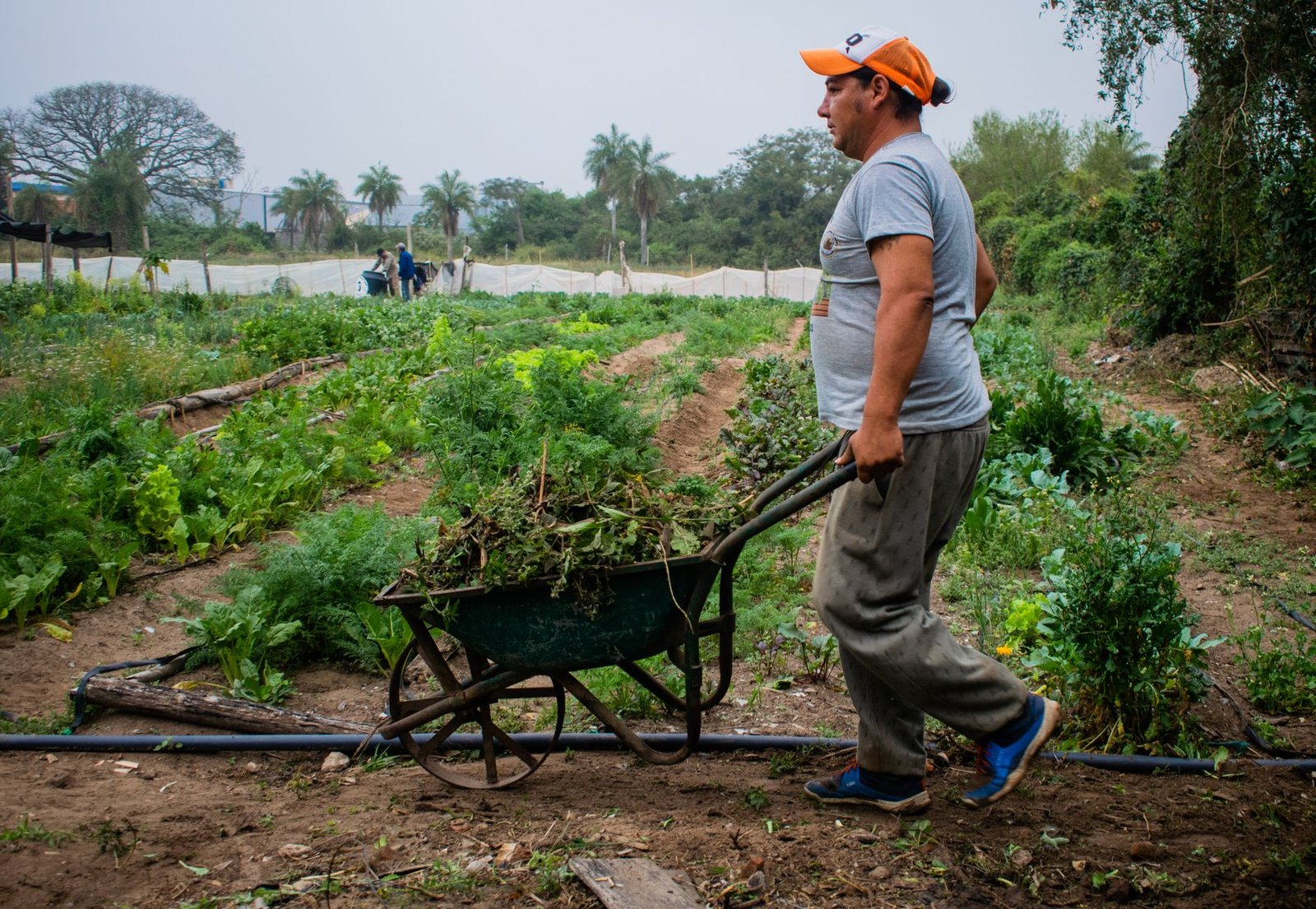
Argentina's farmers are planting less soybean and more corn this season. The Rosario grains exchange, the country's leading agricultural forecaster, cut its 2026/27 soybean estimate by 200,000 tonnes to 47.8 million tonnes in its September report. At the same time, it raised its corn forecast to a range of 67.5 to 70.5 million tonnes, up from an earlier estimate of 66 million tonnes.
The shift comes down to money. Improving profit margins for corn, relative to soybeans, are pulling acreage away from the country's traditional top crop. "When comparing margins, corn is starting to gain acreage from soybeans," the exchange's monthly crop report states. Corn planting begins in the coming weeks, giving farmers a narrow window to finalise those decisions before seed goes into the ground.
Wheat is faring well too. The exchange raised its output estimate by 2.4% to 21 million tonnes, citing strong early crop conditions across the country's growing regions. Wheat planting has already finished for the season; the harvest begins in November.

A pivotal exporter recalibrates
The stakes extend well beyond Argentina's own farms. The country is the world's top exporter of soybean oil and soybean meal, key inputs for livestock feed and cooking oil markets from the Middle East to Southeast Asia. It ranks as the third-largest exporter of corn globally, behind the United States and Brazil. A meaningful shift in planting mix in Argentina tends to ripple through global feed and vegetable-oil prices within a season or two.
For buyers in the Gulf and South Asia, the reallocation matters less for headline volumes than for the mix on offer. Both regions import Argentine soybean meal for poultry feed and Argentine corn for animal feed and industrial use. More Argentine corn on the export market, alongside steady wheat supply, could ease some of the price pressure that has built up in global grain markets this year. That pressure has come partly from competing demand among Asian buyers, and partly from the same El Nino weather pattern now straining harvests in Central America and North Africa.
Farmers are following price signals this season
Argentina's soybean crushing industry, one of the largest in the world, has counted on a reliable flow of domestic soybeans to keep its plants running. A sustained shift toward corn would eventually test that supply chain. A single season's acreage change is unlikely to disrupt it on its own, industry analysts say. Argentine farmers have shown a consistent pattern in recent years of moving between soy and corn. Relative costs, particularly for fertiliser and diesel, shift from one planting season to the next, and acreage follows.
The Rosario exchange's report is compiled from surveys of agronomists and grain buyers across Argentina's main farming provinces. It is closely watched by international trading houses for early signals on South American supply, well before the country's own government releases official planting figures later in the season. Its next update, due in October, will show whether the shift toward corn has continued as planting gets under way. It will also show whether soybean prices have recovered enough to pull acreage back, before it becomes too late in the season to change course.
None of the three crops face a shortage this year. The adjustment is a reallocation within an already large harvest, not a contraction of it. But for a country that supplies such a large share of the world's traded soybean oil and meal, even a modest swing in planting mix can shape price trends far from Rosario's grain silos, from feedlots in the Gulf to cooking-oil shelves across South Asia. Thailand’s rice exporters are navigating a comparable reshuffling this season.