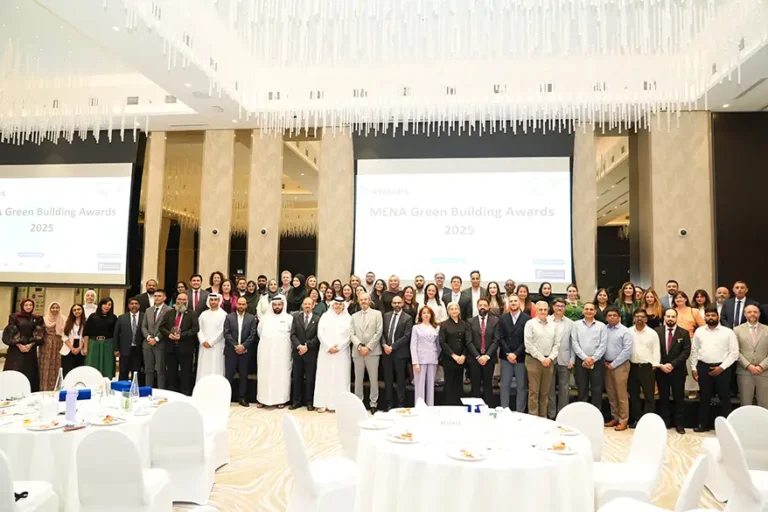

May 2025 witnessed groundbreaking developments at the intersection of cultural heritage and environmental stewardship, with initiatives spanning from Africa’s heritage authenticity debates to lunar conservation efforts. These stories underscore the vital role of cultural practices in fostering sustainable relationships with the Earth, blending traditional wisdom with technological innovation.
1. African Heritage Authenticity Conference in Nairobi
The International Conference on Heritage Authenticity in Africa (Nairobi, 5–9 May) brought together 400+ experts to address the underrepresentation of African sites on the World Heritage List. Discussions centered on adapting Western-centric notions of “authenticity” to reflect Africa’s dynamic, living heritage. For instance, the Gede Ruins in Kenya were highlighted as a model where local communities integrate sacred forest management with archaeological preservation. The conference concluded with policy recommendations to UNESCO for prioritizing community-led conservation and revising nomination criteria to honor Africa’s evolving cultural landscapes.
2. Abu Dhabi’s focus on cultural heritage as a bridge to peace
A panel discussion on “Heritage for Peace: Safeguarding Heritage Sites in Conflict Zones” was held at the Abu Dhabi International Book Fair 2025, with the participation of Noura Al Kaabi, Minister of State at the Ministry of Foreign Affairs, and H.E. Dr. Ghassan Salamé, Lebanon’s Minister of Culture. The session focused on the vital role of cultural heritage in promoting peace and rebuilding societies affected by conflict. Both speakers emphasized that preserving heritage serves as a bridge for peace and a pillar for identity preservation in war-torn communities.
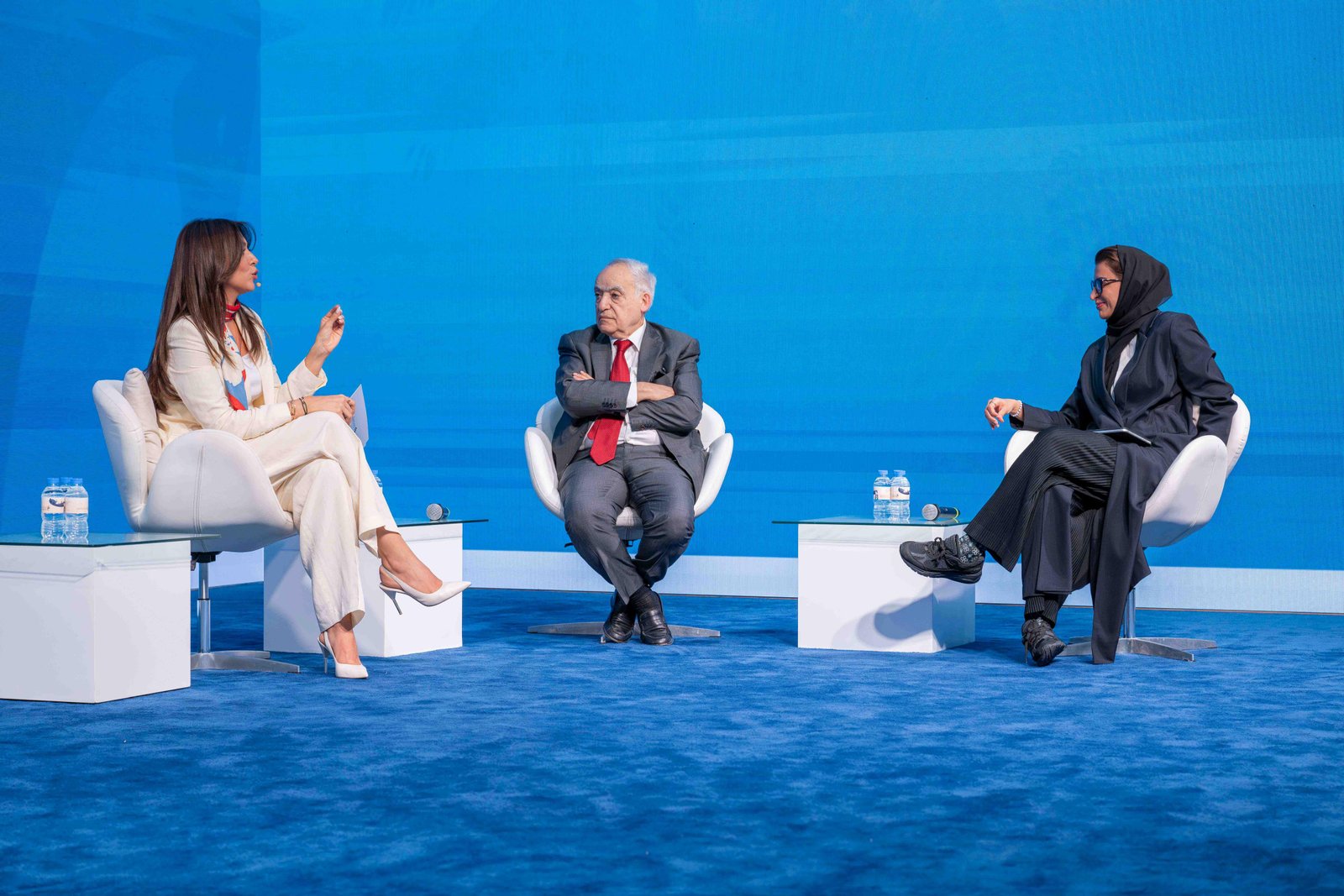
Her Excellency Al Kaabi highlighted UAE-led initiatives that demonstrate how safeguarding cultural sites can support post-conflict recovery. She underlined that the UNESCO-led “Revive the Spirit of Mosul” project in Iraq – supported by the UAE – is rebuilding historic landmarks such as Mosul’s Al-Nouri Mosque and Al-Tahera Church. More than 1,700 young Iraqis have been trained through this initiative to restore heritage sites and contribute to community reconstruction.
She also discussed the UAE’s role in the International Alliance for the Protection of Heritage in Conflict Areas (ALIPH), launched in partnership with France. Through ALIPH, the UAE has supported more than 500 projects worldwide dedicated to protecting and restoring cultural heritage.
3. Bonn Heritage Week: Indigenous landscapes and colonial reckoning
The University of Bonn’s Heritage Week (19–23 May) spotlighted Indigenous-led conservation, such as Nigeria’s Diy-Gid-Biy sites, where sacred groves are managed as biodiversity corridors. A pivotal session analyzed contested statues of colonial figures, with Dr. Sophia Labadi advocating for “living heritage” approaches that address historical trauma while promoting ecological stewardship. The week also featured workshops on revitalizing ancient pastoral routes in Romania’s Apuseni Mountains, blending traditional fire management with modern agroforestry.
4. Chengdu Intangible Cultural Heritage Festival
Held from 28 May to 3 June, Chengdu’s festival showcased 600+ intangible heritage items, including Malaysian wau bulan kites crafted from biodegradable mycelium composites.The Tech Empowering ICH pavilion featured VR reconstructions of Dunhuang murals and AI-generated Noh theater scripts, attracting 400+ participants from 60 countries. Notably, Sichuan’s silk-weaving techniques were demonstrated using low-water dyeing processes, aligning with China’s carbon neutrality goals.
5. Sacred natural sites: Global case studies released
The publication Sacred Natural Sites: Conserving Nature and Culture (Routledge, May 2025) documented 23 case studies, including Nigeria’s Niger Delta sacred lakes and Russia’s Golden Mountains of Altai. The book revealed how Bolivia’s 2024 Law of Mother Earth has inspired Tajikistan to integrate sacred glacier sites into its National Determined Contributions (NDCs). These findings are reshaping policies to protect culturally significant ecosystems from mining and over-tourism.
6. Tajikistan’s Glacier Preservation Summit
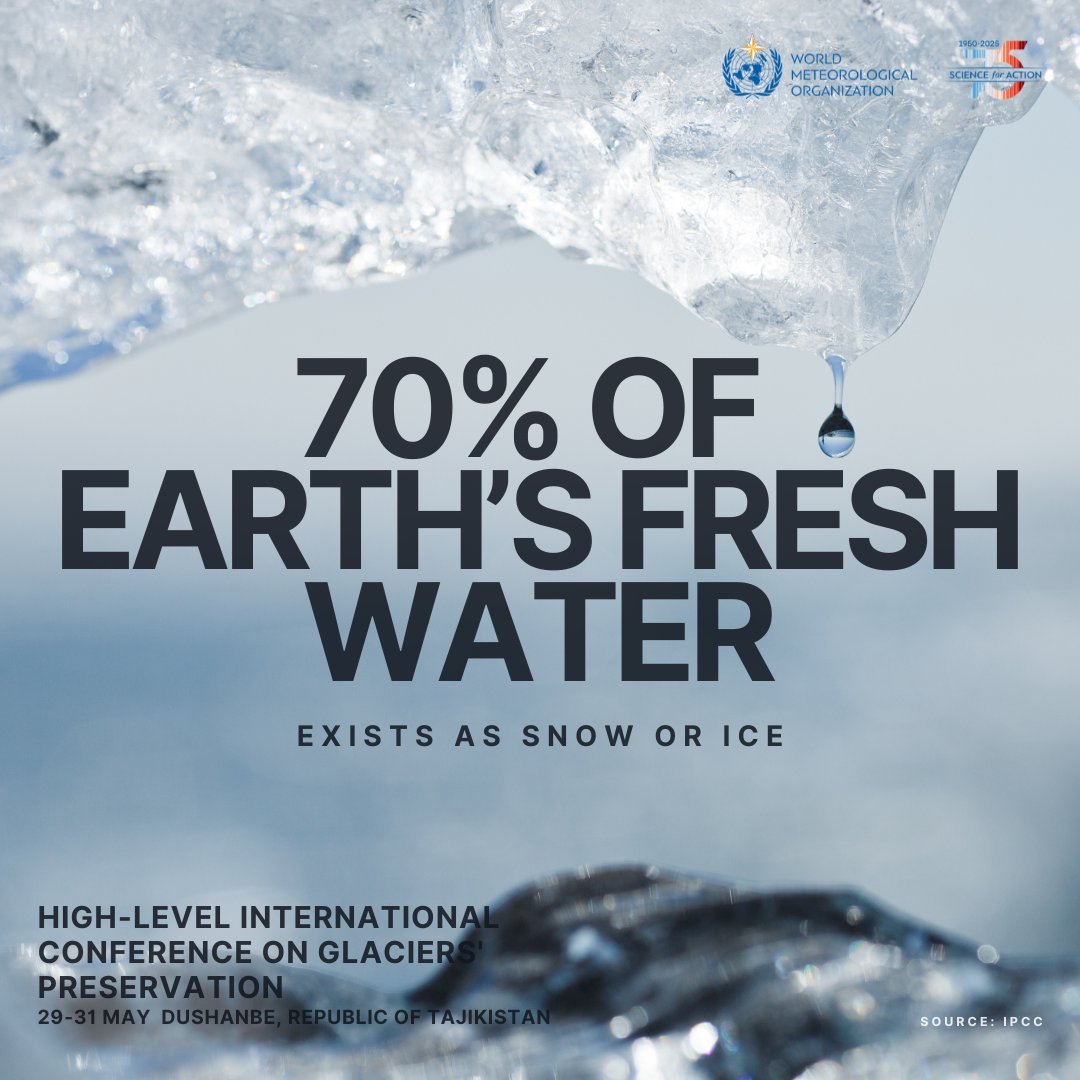
The UN-backed summit (29–31 May) addressed the loss of 30% of Central Asia’s glaciers since 2000, threatening water security for 50 million people. Delegates endorsed a declaration to establish early warning systems for glacial floods and promote transboundary water-sharing agreements modeled on Indigenous mirab irrigation practices. The event also highlighted the cultural significance of Pakistan’s Shimshal Pass glaciers, where local rituals align with seasonal melt cycles.
7. India’s UNESCO Tentative List expansions
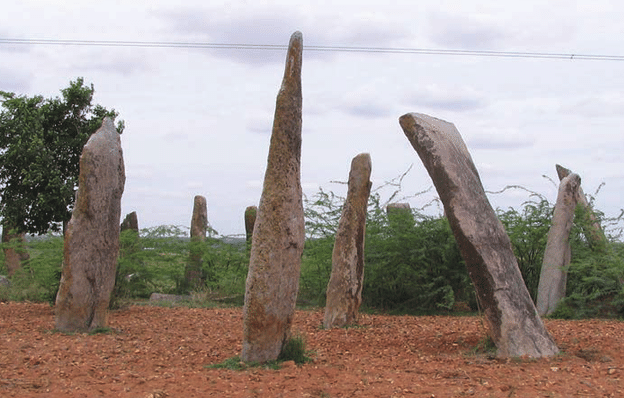
India added six sites to its UNESCO Tentative List, including Kanger Valley National Park, where tribal councils use traditional knowledge to monitor microclimates in limestone caves. The Mudumal Megalithic Menhirs (pictured below) in Telangana, Iron Age astronomical markers, are being studied for ancient drought resilience strategies. These additions reflect India’s push to frame biodiversity hotspots as cultural landscapes under Paragraph 47 of UNESCO’s Operational Guidelines.
9. UK heritage sector adopts sustainable tech
A May 9 report revealed that 60% of UK heritage institutions have transitioned to cloud-based environmental monitoring systems, reducing energy use by 35% compared to legacy systems. The Conserv platform, piloted at the British Museum, uses AI to predict humidity fluctuations in artifact storage, minimizing preservative chemical use. This shift aligns with the UK’s 2030 Net Zero Heritage pledge, prioritizing low-carbon conservation methods.
10. UNESCO Asia-Pacific Awards call for entries
UNESCO’s May 31 deadline for the 2025 Asia-Pacific Awards highlighted projects like Thailand’s Ban Chiang Archaeological Site, where villagers use ancient rice husk insulation to protect bronze artifacts. The awards emphasize collaborations between private stakeholders and Indigenous groups, such as Fiji’s Navala Village, which combines traditional bure hut building with typhoon-resistant design.
Conclusion
May 2025 demonstrated that cultural heritage is both a mirror of humanity’s past and a blueprint for its ecological future. From Indigenous fire management revitalizing biodiversity to lunar conservation debates redefining extraterrestrial stewardship, these stories reveal an urgent need to intertwine cultural preservation with environmental action. As climate and conflict escalate, the month’s initiatives offer models for holistic governance, where honoring heritage becomes inseparable from healing the Earth.