
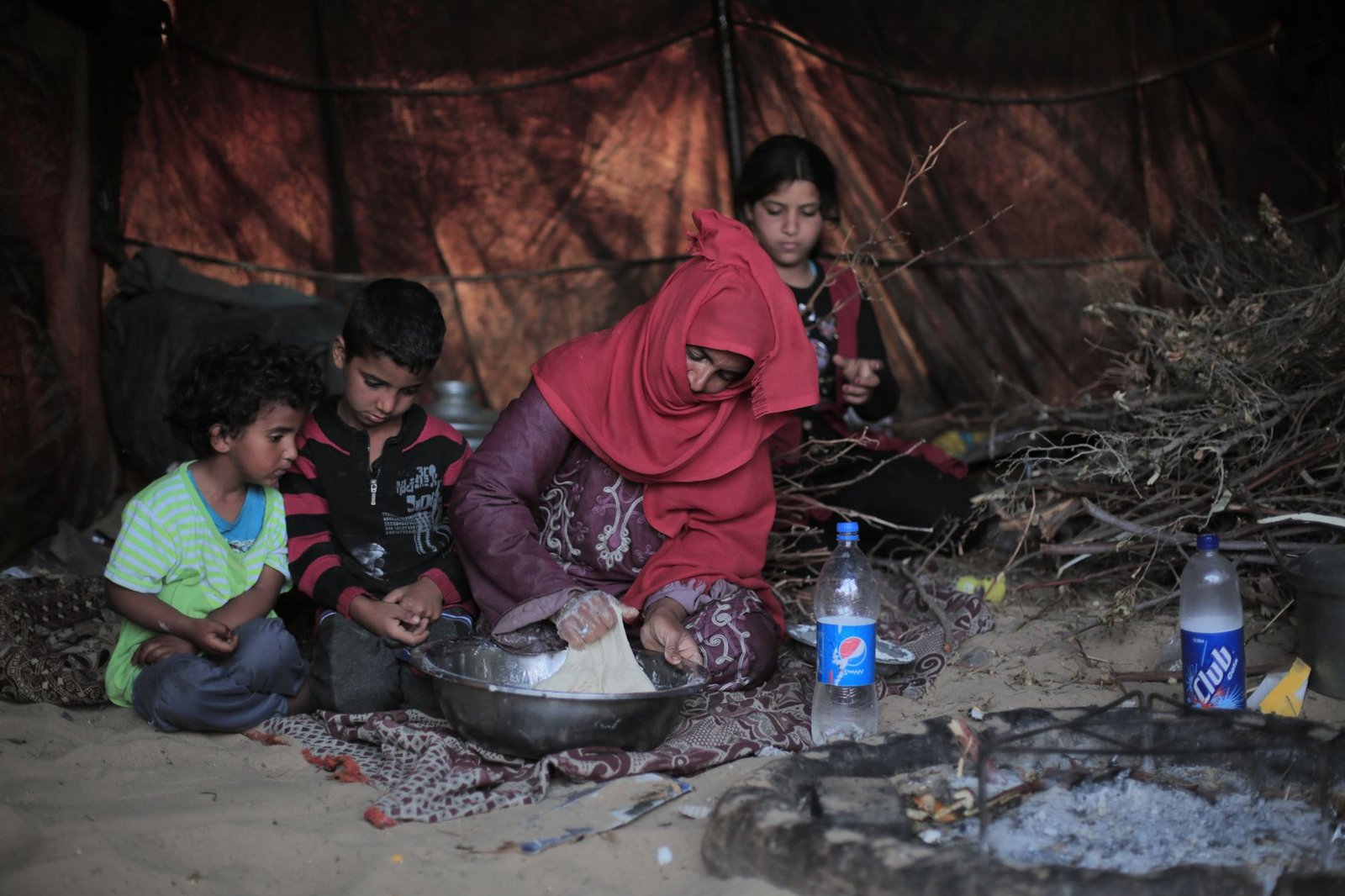
Nearly three in four households in government-held areas of Yemen cannot meet their basic food needs. That is the highest share recorded so far in 2026, according to the World Food Programme. The figure covers roughly 10 million people living in areas under the control of Yemen’s internationally recognised government. It marks a sharp deterioration in a country already gripped by one of the world’s most severe hunger emergencies, officials say, as the Yemen hunger crisis deepens further.
Across the whole of Yemen, 18.3 million people face severe food insecurity, according to UN assessments cited in the same reporting. Among them are 2.2 million children under five who are acutely malnourished. Aid officials describe the combination as evidence of mounting strain on a food and health system that has absorbed years of conflict with little relief.
The scale of the Yemen hunger crisis is tied closely to the country’s reliance on food brought in from abroad. Yemen imports close to 90% of its food, leaving household food security highly exposed to currency shocks, port disruptions and fighting along supply routes. That dependence is an acute version of a wider pattern across the Global South. Heavy reliance on food imports often sits alongside chronic underinvestment in domestic farming. The dynamic is visible in Africa’s roughly $70 billion annual food-import bill, close to Rs 6.7 trillion at Rs 95.5 to the dollar as of late August 2026.

The latest flare-up of conflict has added a fresh wave of displacement to an already fragile picture. More than 149,000 people, and by some counts up to 152,000, have been newly displaced inside Yemen in recent weeks. Beyond the country’s borders, over 3,700 people had fled across the Red Sea to Djibouti by late September 2026.
Funding gap threatens response
The World Food Programme says it needs $109 million in additional funding within weeks. That is close to £83 million at £0.76 to the dollar as of 2 October 2026. The money would let it scale up its response to 1.5 million people. The agency currently supports 1.4 million people in Yemen. Without the extra money, officials warn, gaps in assistance could reach displaced populations within a month, just as needs are climbing. Meeting the appeal in full would let the agency extend emergency food assistance to displaced families alongside those it already supports.
Matthew Hollingworth, the WFP’s Assistant Executive Director for Programme Operations, said the organisation is “looking at a hunger crisis that is going to grow as it persists.” Speaking to reporters in Geneva, he added that the latest flare-up of insecurity “threatens to be absolutely devastating” for food security in the country.
The warning from Geneva sits alongside a wider UN Women analysis, cited in the same coverage, projecting that 11.7 million additional women and girls across 28 countries could face food insecurity by the end of the year. That figure is global rather than specific to Yemen, but it points to how conflict-driven hunger is compounding pressure on women and girls across multiple crises at once.
For Yemen itself, the near-term outlook depends heavily on whether the WFP’s funding request is met before the gap widens. Reuters, reporting from Geneva through Olivia Le Poidevin, framed the warning as a signal that the coming weeks could determine whether displaced and malnourished communities receive help in time. With 2.2 million children already acutely malnourished and three in four households in government-held areas unable to secure enough food, aid officials say the margin for delay has narrowed considerably.