
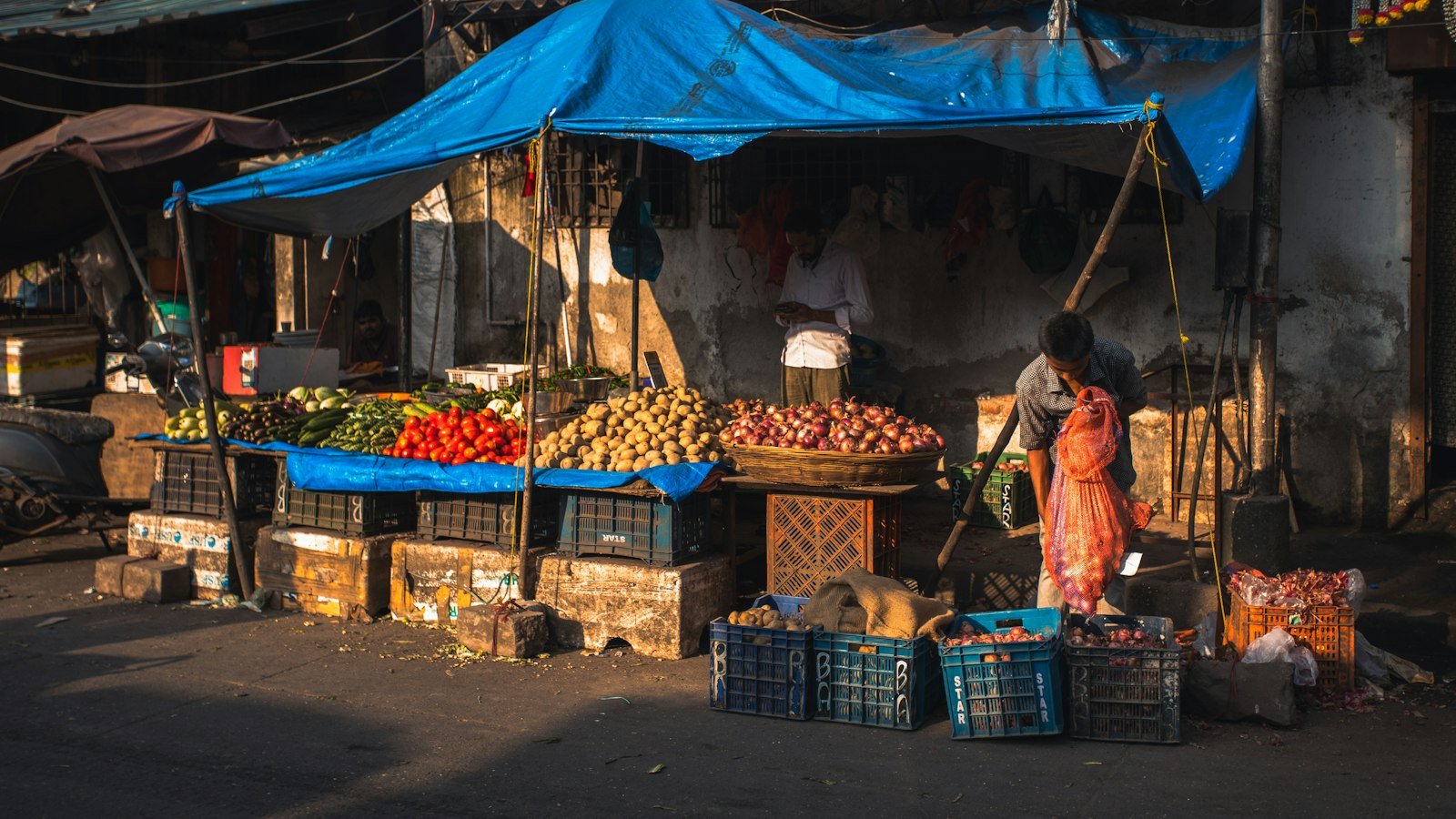
India’s retail inflation rose to 5.54% in September 2026, driven by food inflation of 7.74%, the highest reading since the current Consumer Price Index series began, according to Free Press Journal and Business Today, both reporting government data released on 12 October 2026. Further corroboration came from Telangana Today and UNI India, which cited the same official figures.
The jump in food prices outpaced the overall inflation rate by more than two percentage points, reflecting sharper increases in vegetables, pulses and other staples than in non-food categories such as fuel, housing or manufactured goods. None of the four outlets specified which individual food items drove the increase most, though the scale of the gap between food and headline inflation points to a broad-based rise across the food basket rather than a single commodity spike.
September’s reading extends a period of elevated food prices that has drawn government attention through much of 2026, with earlier months also showing food inflation running well above the Reserve Bank of India’s broader 4% inflation target. A sustained run of food-price increases typically weighs hardest on lower-income households, which spend a larger share of earnings on food than wealthier consumers.

Policy responses under way
India’s government has already moved on several fronts this year to manage food prices, including the sugar-to-ethanol diversion policy announced in October, which aims to rebuild sugar stocks and curb retail sugar costs ahead of the festive season. Separately, authorities have periodically adjusted import duties and export restrictions on items such as onions and pulses in past years when domestic prices have spiked, though no new measures specific to September’s reading had been announced by the time of publication.
The Reserve Bank of India sets interest-rate policy partly in response to inflation trends, and a food-driven spike of this scale could complicate its outlook heading into the final quarter of 2026, particularly if food prices stay elevated through the winter harvest cycle. None of the cited reports addressed the central bank’s likely response, leaving that question open ahead of its next policy review.
A familiar seasonal pattern, at a record level
Food inflation in India typically fluctuates with monsoon performance, harvest timing and festival-season demand, all of which can push prices higher in the run-up to Diwali and other autumn festivals. What distinguishes September’s figure is its scale: a reading of 7.74% is the highest food inflation has registered since the current CPI series was introduced, according to the cited reporting, making this year’s spike more severe than the seasonal pattern alone would typically produce.
For now, the data leaves open whether September marks a peak or the start of a longer run of elevated food costs. Subsequent inflation readings, due in the coming weeks, will show whether the government’s existing measures are enough to bring food prices back toward target, or whether additional intervention becomes necessary.



