
In the mid-1970s, India redefined what forests meant to people. The Indian National Commission on Agriculture (1976) recognised a truth long understood by rural communities: Forests were not timber banks, but lifelines. Fuelwood for cooking, fodder for livestock, small timber for housing, medicines and fruits for daily needs, trees sustained lives long before they sustained industries.
Acting on this realisation, the Commission recommended restructuring State Forest Departments and launching Social Forestry, a programme that took trees to the people, particularly the rural poor.
From farmers’ fields and village commons to nearby wastelands and degraded forests, a series of programmes was conceived to cultivate trees, grasses, and fodder, ensuring rural households had access to fuelwood, fodder, and small timber for homes and farm tools.
The World Bank soon endorsed the idea, calling Social Forestry (Indian National Social Forestry project for $165 million) a vehicle for rural development and ecological restoration. Kerala (Social Forestry was constituted in 1982) also invested in farm forestry and plantation forestry activities and reduced pressure on natural forests.
For decades, Social Forestry created green buffers, supported community planting, nurtured sacred groves, and made tree-growing a participatory mission. This wing strengthened community-based greening efforts, but some choices in planting, particularly exotic species, later backfired, as many became invasive and threatened native ecosystems. However, the programme generally helped cultivate a culture of environmental awareness.
But today, the world, and Kerala, has changed. And so must Social Forestry.
Kerala’s Urban Reality has arrived
Kerala’s strength and uniqueness lie in its distributed urbanisation. Unlike mega-city driven growth, the state is a seamless human settlement network stretching across highways and valleys, a “town without a centre” model now discussed globally. But this pattern brings silent risks.
The state is land-constrained and is ecologically fragile. Significant portions are under forests, farmlands, wetlands, backwaters, or hazard-prone zones. What remains must be shared by 3.4 crore people, and soon, perhaps fewer, as Kerala edges toward demographic transition, with nearly one million houses already lying vacant.
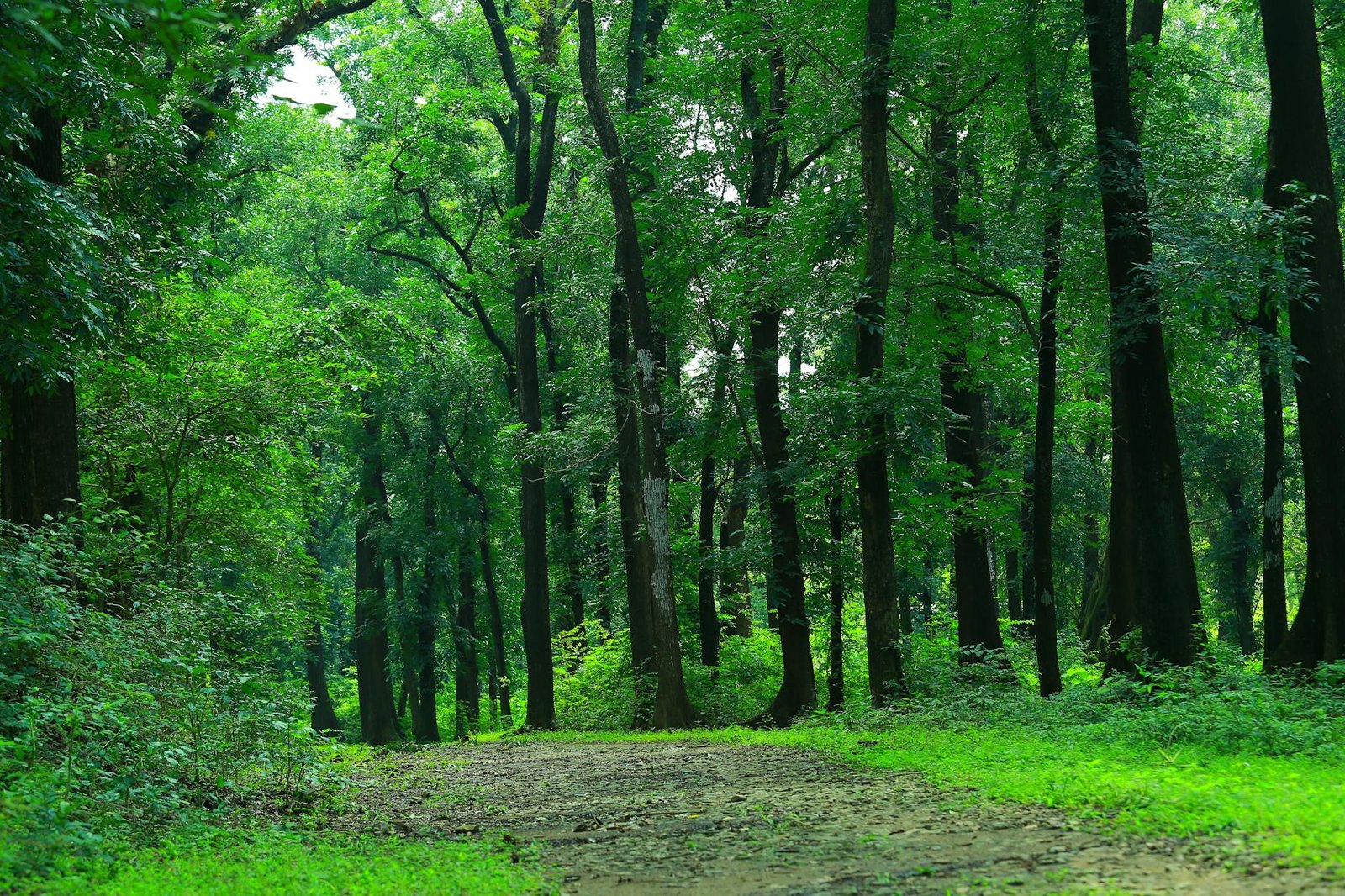
Urbanisation is intensifying, but green space is shrinking. Heat islands are emerging. Pollution spikes during peak traffic hours. Natural drainage paths are blocked. City birds and butterflies are disappearing quietly. Children increasingly grow up without climbing a tree!
Green cover is no longer a matter of aesthetics. It is a matter of survival and public health.
Global research is unequivocal: trees cool cities, purify air, reduce stress, improve learning, filter noise, recharge groundwater, support biodiversity and improve longevity. Urban nature is not a luxury, it is public infrastructure.
The UN Decade on Ecosystem Restoration and the Sustainable Development Goals, particularly SDG 3 (health) and SDG 11 (sustainable cities), place urban ecology at the heart of future planning.
The popular 3-30-300 rule gives urban leaders a simple target. Every person should see three trees from their home, live in a neighbourhood with 30% tree canopy, and be within 300 metres of a quality green space. Singapore’s Forest City model blends dense urban development with continuous native green cover, through tree-lined streets, sky gardens, nature corridors, and biodiversity-rich parks, making nature an organising principle of city planning.
Kerala should not meet these goals reluctantly. It should lead them.
A Policy Shift Kerala Cannot Delay
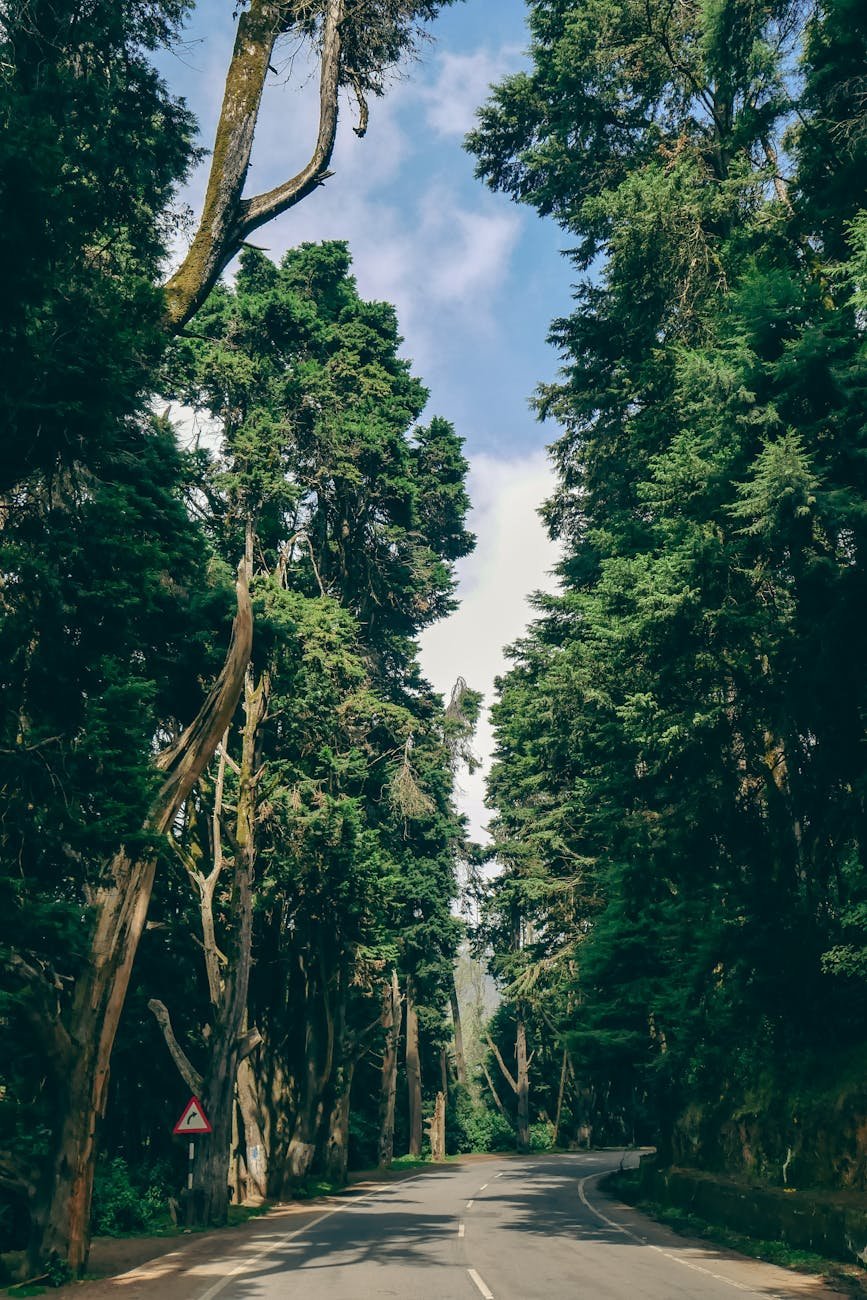
Social Forestry must reinvent itself for the age of smart cities. It must move beyond plantations on community land and embrace urban forestry, green infrastructure, and ecological well-being as its new mandate.
Social Forestry 2.0 should mean:
? Urban forests, Miyawaki mini-forests and ecological parks
? Native biodiversity gardens and temple sacred groves
? Tree-lined walking and cycling corridors
? Greened school campuses and residential complexes, health facilities, bus stands and market centres
? Blue-green infrastructure connecting rivers, canals, wetlands and lakes
? Digital platforms to map, monitor and protect urban green cover
? Public stewardship and citizen tree-caretaker networks
This is more than beautification. It is climate-proofing and mental-health support. It is building citizen’s connection with the natural world. It is turning Kerala’s towns into breathable, walkable, future-ready spaces.
And it requires a structural shift in governance: a dedicated Urban & Community Forestry Wing, resourced, skilled, data-enabled and embedded in urban planning processes from the beginning, not as an afterthought.
Planting is relatively easy. Caring is science. Trees and vegetation need continuous monitoring, soil care, watering, pruning, pest management, and long-term planning. It is time we professionalise it.
A Green Workforce for a Green Future
Across Kerala, hundreds of forestry graduates, environmental scientists, botanists, zoologists, nature-enthusiasts and the like are seeking meaningful work, and the growing gig economy offers an ideal framework to mobilise their skills.
Kerala can pioneer a Green Gig Platform where local bodies, resident associations, CSR groups, and institutions post scientific green-care tasks, and registered young professionals — verified for expertise — can take up these micro-assignments such as monitoring tree health, conducting soil and moisture checks, pruning and nutrient management, documenting biodiversity, managing rooftop or community gardens, setting up butterfly and pollinator patches, carrying out sapling survival audits, and leading awareness programmes or nature walks.
Young professionals can choose tasks based on geography, time availability, and skill set, and complete them within defined timelines and standards, much like ride-sharing or delivery gigs, but for urban ecology and public good.
This model transforms tree and ecosystem care from informal voluntary activity into skilled, remunerated work backed by transparent reporting, ecological data dashboards, and performance-linked incentives. In doing so, it harmonises ecology with employment, conservation with technology, and citizen participation with scientific stewardship, proving that a green future needs green jobs, and Kerala is uniquely placed to build them.
Let the Next Phase Begin
Social Forestry was once born to meet rural needs. Today, in a rapidly urbanising scenario it must evolve to meet urban survival needs. This is not merely an environmental idea, it is a public-health policy, an employment strategy, an urban-planning necessity, and a civilisational duty.
If forests once moved to villages, they must now move to cities, and stay there.
With land scarcity accelerating the shift to high-rise living, today’s flat-buyers in Kerala increasingly seek eco-friendly, nature-connected spaces. This opens a strategic opportunity for the Social Forestry wing to partner with builders and resident associations to create native mini-forests, green terraces, and biodiversity pockets in apartment complexes, offering residents everyday “forest-bathing” experiences and urban wildlife encounters while enhancing ecological health in dense urban corridors. Kerala’s identity has always been intertwined with nature. Let us ensure it remains that way, not by nostalgia, but by design.
The question before us is straightforward: Will we build cities where people survive — or cities where people thrive?
It is time to make the choice. And the answer is abundantly clear: It is time for Social Forestry 2.0.
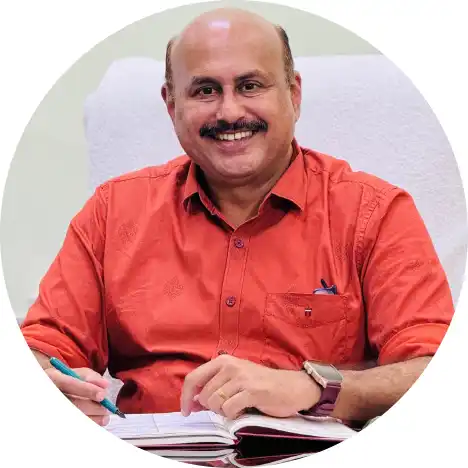
Dr. Gopakumar S is the Dean of Faculty of Forestry at Kerala Agricultural University. His research and teaching have centered around forest and individual plant ecology, while his broader interests include the social dimensions of tropical forest management and the value addition of Black Dammar and its biomolecules. He is also passionate about using technology as a tool for ecological problem-solving. Follow him on LinkedIn