By Munindra
Hidden deep in the heart of Assam, Kaziranga National Park is more than a wildlife sanctuary. It embodies the spirit of the land, shaped by the rhythms of nature and the creatures that call it home, a fragile testament to nature’s resilience.
While “National Park” often brings to mind recreation and public access in places like the United States, in Assam, the term carries a deeper weight, a sense of urgency and struggle. Kaziranga’s value lies not only in its beauty but in its role as a vital stronghold against poaching, human encroachment, and the unpredictable floods of the Brahmaputra River, which continually shape its delicate ecosystem.
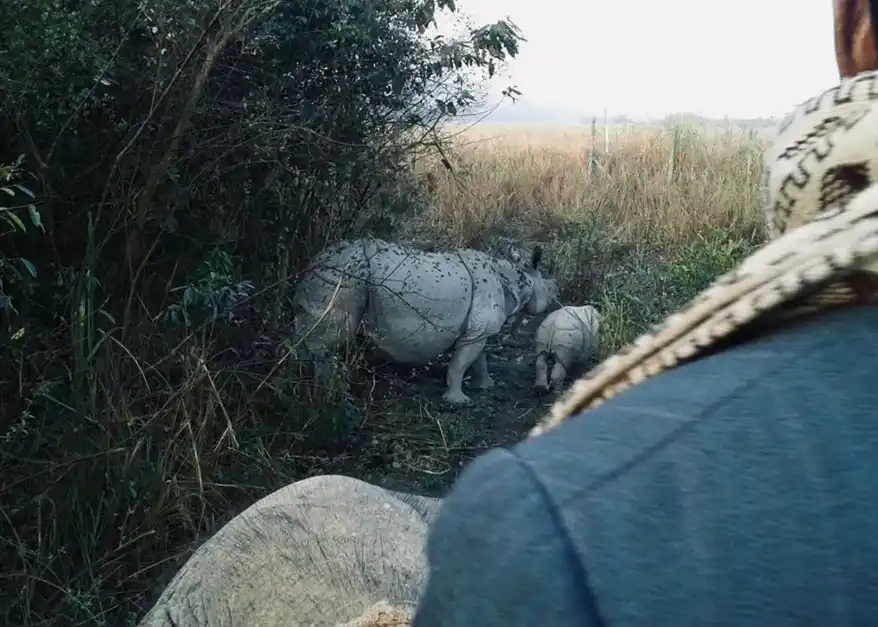
My earliest memory of Kaziranga takes me back to a winter morning, when the air was crisp and mist hovered just above the tall grass. I was a child riding on the back of an elephant, moving quietly through the landscape. We came across several rhinos, including a mother and her calf. That gentle encounter left an impression that lingers with me still.
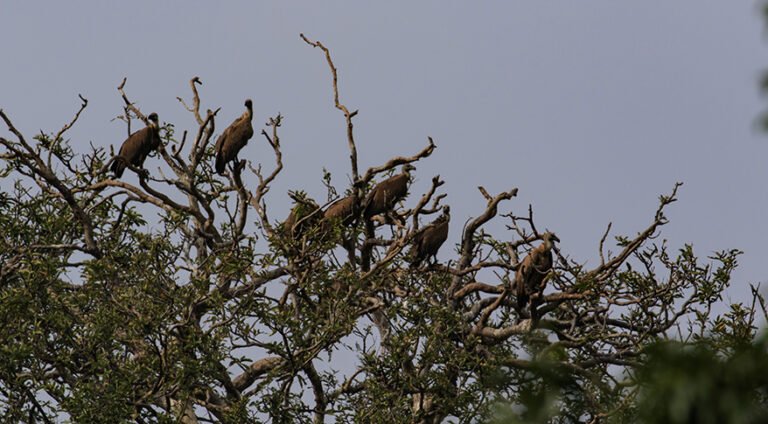
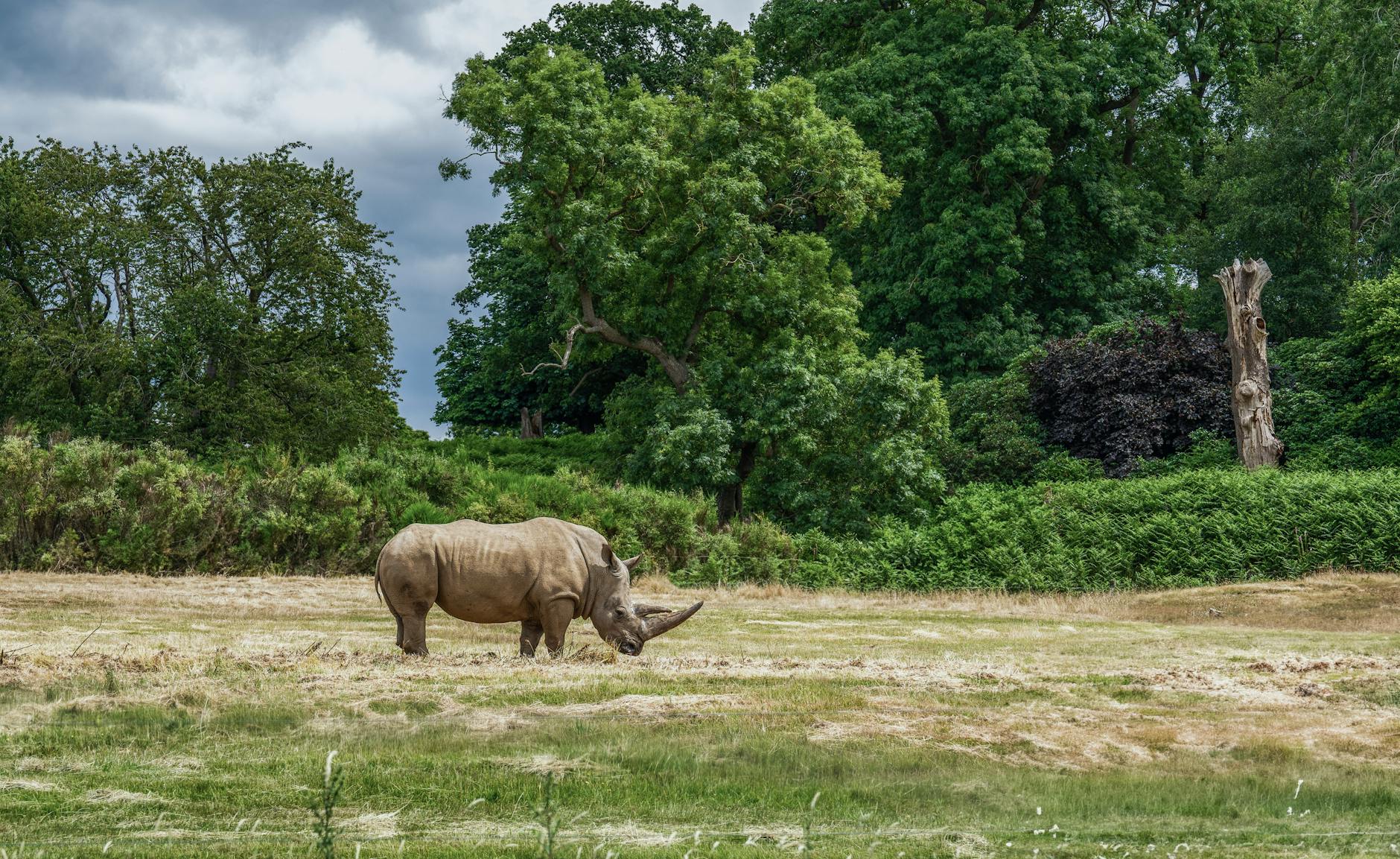
Kaziranga is renowned for the one-horned rhinoceros, a symbol of survival and resilience. For decades, these animals have defied threats, thriving despite poaching and habitat loss. Alongside the rhinos, elephants roam freely, tigers prowl the dense grasslands, and a chorus of over 40 species of grassland birds fills the air. Kaziranga is a living heartbeat, a pulse of nature’s enduring presence.
When I traveled with my family along the highway that slices through Assam, we would often stop to watch rhinos grazing near Kaziranga. Counting them became a quiet ritual, always hoping to see one more. It was a reminder of how wildlife and human life are intertwined here, part of the everyday fabric.
Kaziranga’s journey has been marked by both adversity and determination. The park faces serious challenges: poaching, floods, and encroaching settlements that shrink habitats and disrupt ecosystems. Yet Kaziranga remains a powerful symbol of Assam’s commitment to conservation. Beyond protecting wildlife, it sustains communities by supporting natural floodplains, stabilizing the landscape, and offering livelihoods rooted in care for the land.
Women guards play a vital role here; their knowledge and dedication help combat poaching and foster trust with nearby villages, showing that conservation is both shared and transformative.
This dedication to protecting Assam’s natural heritage extends beyond Kaziranga’s borders. The region’s network of protected areas, including Manas and Nameri National Parks, plays a crucial role in preserving biodiversity and sustaining ecological balance. Manas, to the west, features riverbanks, dense forests, and rugged hills sheltering rare creatures such as the golden langur and pygmy hog, alongside one-horned rhinoceros and Bengal tigers. Nameri, nestled northeast along the foothills of the Eastern Himalayas, offers lush forests and vibrant birdlife. Though lesser-known, these parks are vital for maintaining ecological connectivity and supporting the movement of elephants and other wildlife across the landscape.
Visiting Kaziranga is stepping into a world where every leaf and ripple tells a story of resilience and coexistence. The wild rhythms of this land echo the heart of Assam itself.
A Place Worth Protecting
More people are discovering the quiet wonder of Kaziranga, drawn, as I have been, to the early morning stillness, the rustle of tall grasses, and the sight of a rhino wandering into view. But with this growing attention comes a quieter threat: the risk of loving the park too much.
Increased traffic, noise, and human activity can gradually wear down the delicate balance that keeps Kaziranga alive. The beauty we come to admire relies on our restraint.
We can each play a small part in keeping Kaziranga wild:
- Respect Local Culture and Traditions: Learn about the culture and traditions of Kaziranga’s surrounding communities. Approach cultural experiences with sensitivity and respect, fostering a deeper connection to the place.
- Minimize Noise and Disruptions: While on safari, keep your voice down and actions minimal to avoid disturbing the delicate wildlife ecosystem. Your quietness is their safety.
- Educate Yourself About the Ecosystem: Take time to understand Kaziranga’s ecosystem, the species you may encounter, and the park’s conservation challenges. A deeper understanding will enhance your visit and foster respect for the land.
- Follow Guidelines for Photography: Respect wildlife photography guidelines. Avoid using flash photography, and keep a safe distance to avoid startling or disturbing animals.
- Stay in Sustainable Accommodations: Choose eco-friendly accommodations that support conservation efforts and provide benefits to local communities. Opt for lodges that actively contribute to the park’s sustainability.
- Be Informed and Advocate for Conservation: After your visit, share your experience and advocate for responsible tourism and wildlife conservation. For example, support organizations like the Centre for Wildlife Rehabilitation and Conservation (CWRC) that help rehabilitate wildlife and raise awareness about Kaziranga’s ecosystems.

Planning Your Visit to Kaziranga
Kaziranga isn’t just a destination; it is an experience that invites you to connect with the land, the animals, and the people who care for it. Here is how you can make your visit both meaningful and responsible, preserving the spirit of Kaziranga for future generations:
- When to Visit: The park is open October through May, with November to February being ideal for wildlife sightings. The park is closed from June to September. Always check for up-to-date seasonal information before planning your visit. The park opens at 7:00 AM, and timed reservations are required for all visitors.
- Accessibility for Visitors with Disabilities: The park’s terrain can be challenging for travelers with mobility concerns. While some accommodations may offer basic accessibility features, the park’s trails and safari vehicles may not be fully equipped for all mobility needs. It is recommended to contact accommodations and safari operators directly in advance to confirm accessible facilities.
- Getting There: Kaziranga is well-connected to Guwahati (4-5 hours by car) and Jorhat (1.5-2 hours by car), both of which have air links. To ensure a smooth arrival, arrange transport from the airport to your accommodation in advance through your lodge or hotel. Most accommodations are located just outside the park’s safari zones, and pre-arranging transport helps streamline your journey.
- Where to Stay: From eco-lodges to government-run guesthouses, Kaziranga offers a range of accommodations. For a more intimate experience, choose eco-friendly lodges that offer safaris and focus on sustainability.
- Safari Experiences: For the most enriching experience, combine jeep safaris with elephant-back safaris. The Western Range is ideal for spotting rhinos and tigers, while the Eastern Range is great for birdwatching. For a quieter, more intimate safari, book early-morning safaris. Book your safari from the official Kaziranga National Park website.
A Shared Responsibility
The rhythms of Kaziranga’s wild landscapes remind us that the future of such sanctuaries depends not just on their resilience, but on the choices we make as visitors, as global citizens. Time and again, Kaziranga has taught me that the heart of conservation is not in what we take, but in what we choose to protect. In that quiet space of reverence, we find our own connection to a land that, despite all odds, continues to endure.
First published here:
Follow Munindra on Substack to read fascinating stories that bring the diversity of Assam, here: