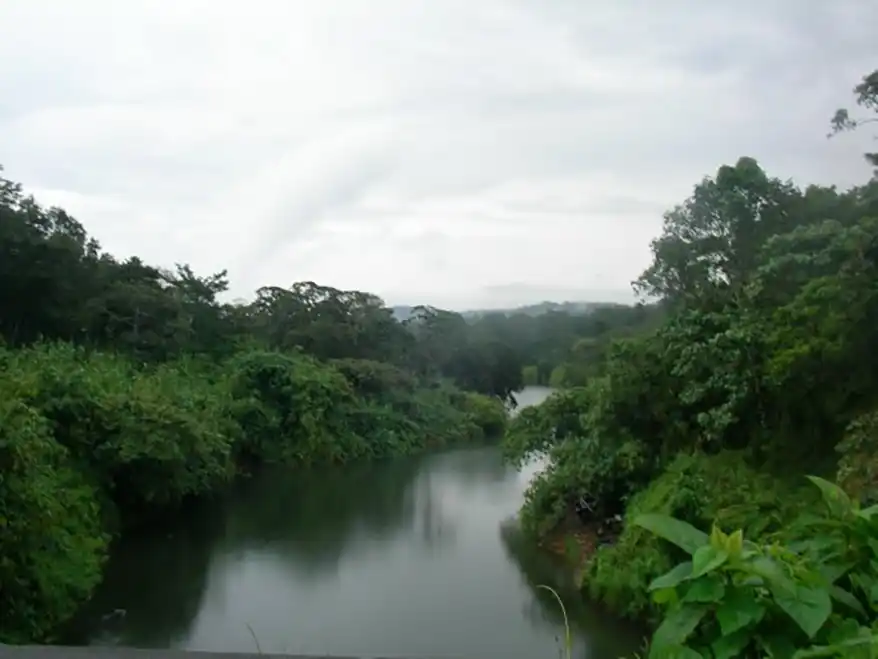
At dawn on a humid August morning in 2025, the stillness of the Pooyamkutty River in Malayattoor in the Ernakulam district of Kerala was broken by the stench of death. Fishermen pushing their canoes downstream were the first to see it: a swollen grey body snagged against the roots of a bamboo grove. It was a wild elephant, its skin bloated, trunk twisted unnaturally, one eye open as if in accusation.
Within hours, another carcass surfaced. Then another. By the end of the month, nine elephants had been found dead in this single stretch of river, their giant bodies drifting into villages like ominous messages.
The Kerala Forest Department initially blamed a flash flood, dismissing the tragedy as a natural accident. But villagers were unconvinced. “I have lived by this river for 70 years,” said Joseph Kuriakose, a farmer in Malayattoor. “Floods take goats, chickens, and sometimes people. However, there has never been an instance of nine elephants drowning in a single month. Something else is killing them.”
For a state that proudly calls itself God’s Own Country, the scene was more than tragic — it was damning. Behind the lush green image sold to tourists lies a landscape where wild elephants are dying in unprecedented numbers, often violently, and almost always in silence.
The toll: numbers that wound
Between January 2019 and July 2025, Kerala recorded 827 wild elephant deaths — an average of more than 10 a month. Official mortality registers attribute many to disease and natural causes, but at least 84 were confirmed to be directly caused by humans: elephants electrocuted by live wires, poisoned with pesticide-laced fruit, blown apart by crude country bombs hidden in pineapples, or mowed down by trucks thundering through forest roads. Bureaucratically, they have classified another 17 cases as “unnatural” without resolving them.
The numbers are not only grim, they are escalating. In 2019, 12 elephants died from human aggression. By 2024, that figure had risen to 18. “We are witnessing a slow-motion massacre,” said Dr Raman Sukumar, eminent elephant ecologist at the Indian Institute of Science in Bengaluru. “Kerala once had one of the strongest traditions of coexistence with elephants. Today, those traditions are breaking down under the weight of development, politics, and apathy.”

Stories buried under euphemisms
The death of a tusker known locally as Kaserakomban in February 2025 illustrates the disturbing pattern. Found lying in a shallow pit on the edge of the Nilambur forest in Malappuram, the tusker appeared unremarkable at first glance. But when veterinary doctors passed a metal detector over its neck, it beeped. Lodged under the skin was an oval metallic object — the remains of an improvised explosive, likely packed into fruit. Yet the official autopsy listed the cause merely as “unnatural”. No arrests were made.
In Athirapally, where Kerala’s most famous waterfalls crash into a misty gorge, a lone elephant with a deep forehead wound staggered for days before collapsing. The forest officials tranquilised it and moved it to a rehabilitation centre. Two days later, it died. The official explanation was “infighting.” Once again, no inquiry followed.
“These are not just failures; they are deliberate erasures,” alleged Anvar Sadath Kainote, an environmental activist in Nilambur. “I have copies of autopsy reports that claim poison deaths were caused by the herpes virus. In the Karulai range alone, more than 40 elephants have died in five years, yet not a single prosecution. Even the petitions we filed to the Chief Minister were closed without a hearing. The department is covering up its negligence.”
A culture of worship, a politics of neglect
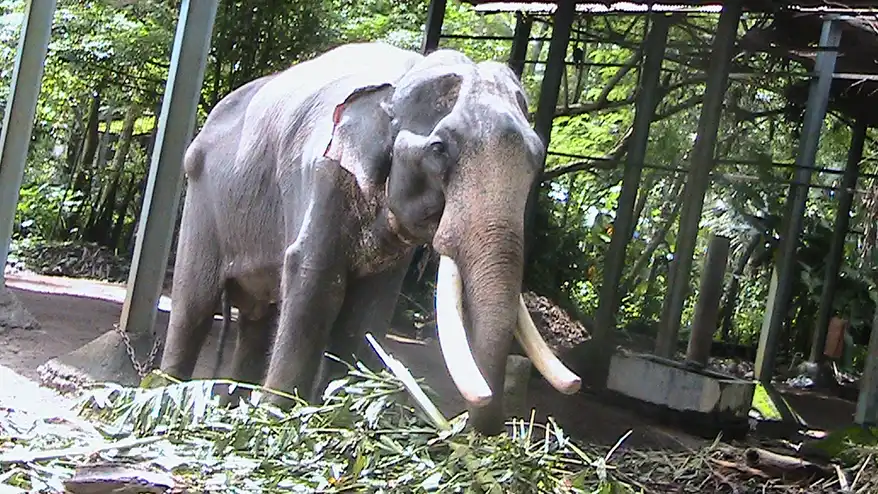
Kerala’s hypocrisy is glaring. The state is globally celebrated for its temple festivals, where elephants adorned in golden regalia draw crowds of thousands. Every tourist brochure features the majestic tuskers of Thrissur Pooram. The elephant is the state animal, a symbol of Kerala’s cultural identity.
Yet in the wild, elephants are treated as pests, even enemies. “Kerala loves elephants in chains, not in forests,” said P. Haridas, a retired forest officer from Wayanad. “People want them for rituals and tourism, but they get poisoned and electrocuted in the wild.”
This paradox has turned Kerala’s forests into what activists now call “elephant killing fields”.
A larger landscape under siege
The crisis extends beyond Kerala. The Nilgiri Biosphere Reserve, which spans Kerala, Karnataka, and Tamil Nadu, is Asia’s greatest elephant habitat, home to more than 10,000 animals. But fragmentation is ripping it apart.
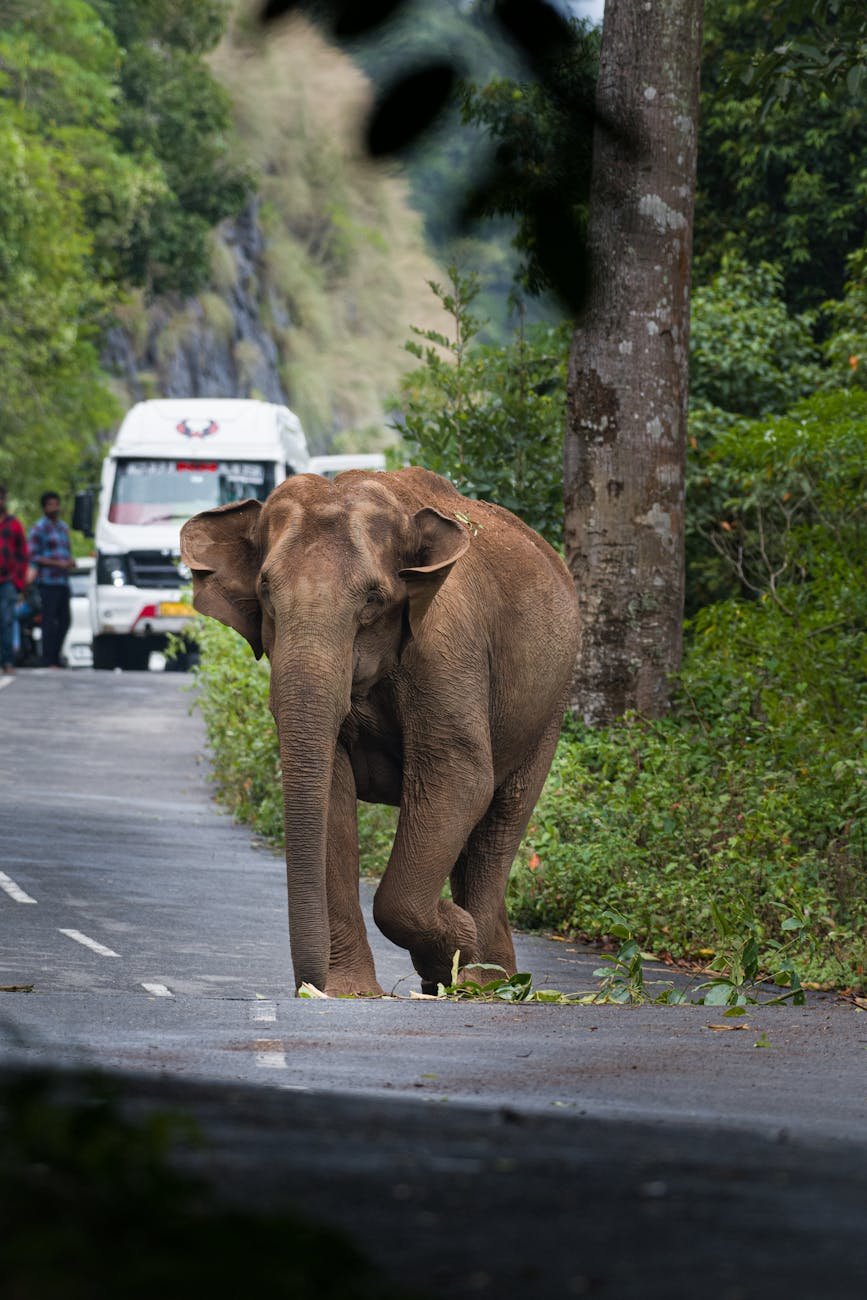
New highways slice through ancient corridors. Resorts mushroom in fragile hill tracts. Hydropower projects flood valleys. As safe passage shrinks, elephants wander into farmlands, trampling crops and triggering violent retaliation.
“In Hassan and Kodagu in Karnataka, we see deliberate electrocution of elephants every year,” said Dr Krupakar Sen, a conservation scientist in Mysuru. “In Tamil Nadu’s plantation belt, the deaths are on railway tracks and highways. The Nilgiris should be a sanctuary, but it is fast becoming a battlefield.”
Kerala’s failure to investigate and prosecute only fuels this wider crisis. “When one state shows impunity, others take cues,” Dr Sen warned. “This is not just about elephants — it is about whether India can protect its ecological heart.”

Investigations without teeth
IIndia has strict protocols for tiger deaths: mandatory independent observers, forensic checks, and central oversight. But elephants, despite equal protection under the Wildlife Protection Act, are denied such scrutiny.
“In Kerala, autopsies are usually done by a single veterinary surgeon,” said Dr. P.S. Easa, member of the IUCN Asian Elephant Specialist Group and former director of the Kerala Forest Research Institute. “Causes are written off casually. We need independent experts, as we do for tigers, and dedicated intelligence units to track killings. Without this, we are simply documenting deaths, not preventing them.”
Dr. Easa recalled cases where poisonings were misclassified as “disease”. “This is not science. It is an abdication of duty,” he said.
Farmers’ anguish, elephants’ peril
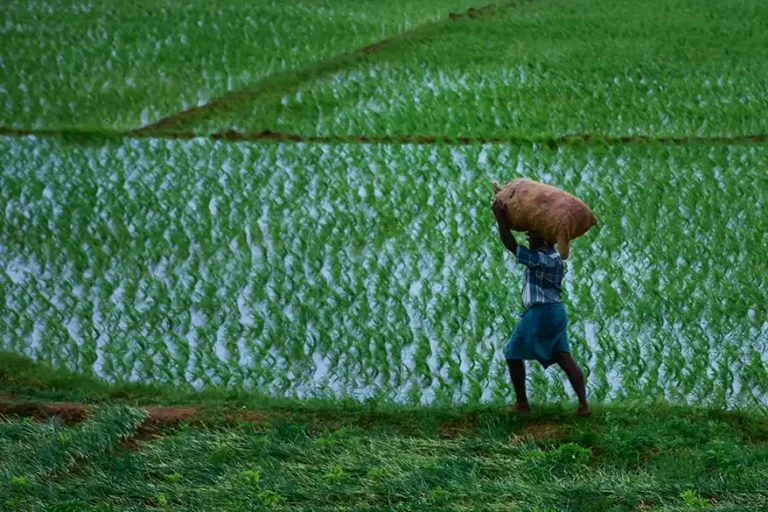
To understand retaliation, one must listen to farmers. In Pothukallu, a border village, Manikandan, a smallholder, pointed to his flattened banana grove. “One night, a herd came. In minutes, it was gone. We get compensation months later, if at all. Who will feed my family until then?”
Desperation drives illegal fencing, live wires connected to power lines, and poisoned bait. In Wayanad, 24 elephants were electrocuted in just ten years this way. “Farmers don’t see themselves as killers,” admitted Rajesh Babu, a forest guard in the district. “They see themselves as survivors. But the elephants are the ultimate victims of a broken system.”
Media myths: The ‘rogue elephant’
When conflicts escalate, Kerala’s media often demonise elephants. The most infamous case is Arikomban, a tusker accused of killing people and raiding ration shops in 2023. Newspapers branded him a “killer elephant”, though official police records of the alleged killings were missing.
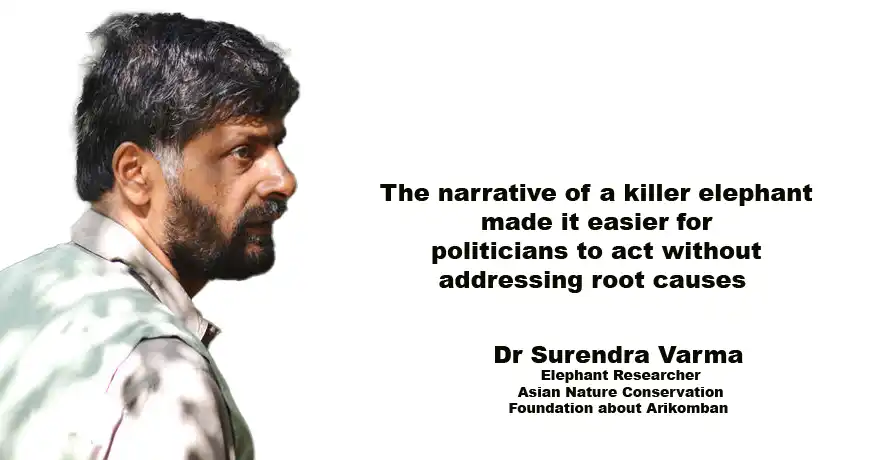
Public pressure mounted, and the government translocated Arikomban to a distant forest—a decision many scientists criticised as reactive and cruel. “Arikomban was not a rogue,” said Dr Surendra Varma, an elephant researcher with the Asian Nature Conservation Foundation. “He was displaced by development. But the narrative of a ‘killer elephant’ made it easier for politicians to act without addressing root causes.”
Disease, livestock, and hidden threats
Not all deaths stem from violence. Some results from diseases are often linked to human activity. “Anthrax, herpes, and foot-and-mouth spread from domestic livestock grazing illegally in forest fringes,” explained Dr Deepa Kurup, a veterinary surgeon in the Forest Department. “As human settlements expand, elephants come into closer contact with cattle, and pathogens cross over.”
Yet even disease deaths point to systemic neglect: poor habitat management, unchecked grazing, and invasive weeds like lantana that reduce elephant fodder, forcing them closer to villages.
The frontline voices
Not all forest staff are silent. In Palakkad, Ramesh Kumar, a young range officer, spoke candidly. “We are ordered to reduce conflicts, not probe deaths. Our superiors fear headlines. But on the ground, we see calves writhing after electrocution and mothers poisoned. We take their bodies away at night so the press won’t see. It breaks us.”
In tribal hamlets near Periyar, sorrow runs deep. “The elephant is our elder brother,” said Lakshmi, a woman of the Mannan community. “When he dies like this, the forest dies too. And when the forest dies, we will die.”
Global stakes
Elephants are keystone species. By dispersing seeds, they regenerate forests. They create niches for biodiversity by opening pathways. By maintaining rainforests, they influence rivers like the Cauvery and Periyar, lifelines for millions.
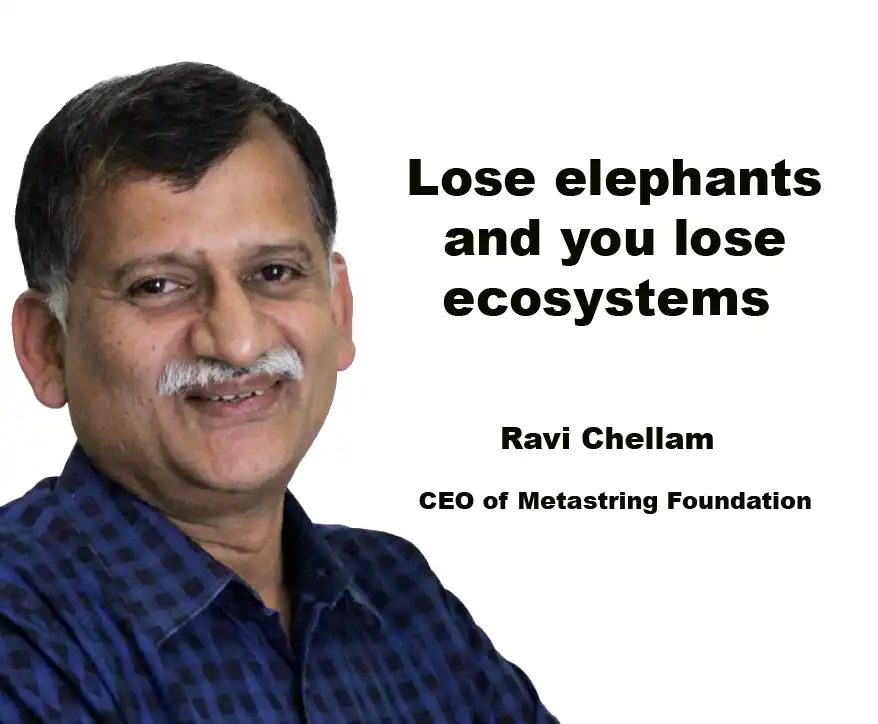
“Lose elephants, and you lose ecosystems,” warned Ravi Chellam, CEO of Metastring Foundation and veteran conservationist. “This is not just Kerala’s problem. It is about climate, water, and carbon. What happens to elephants here will shape resilience across South Asia.”
A 2022 UN report described elephants as “ecosystem engineers critical for planetary health.” Yet Kerala, despite its global image as a green state, is failing them.
Politics of silence
Despite the scale of deaths, Kerala’s political leadership has remained largely mute. The discovery of nine carcasses in Pooyamkutty did not trigger legislative debate. No minister visited the site.
“Elephants don’t vote; farmers do,” a senior bureaucrat told this correspondent bluntly. Both ruling and opposition parties have resisted corridor restoration, fearing backlash from landowners. In Pothukallu, plans to secure central funds for an elephant corridor were shelved after protests stoked by political parties.
This silence equates to complicity. It signals to killers — whether farmers or poachers — that elephants can be eliminated without consequence.
The way forward
Experts converge on urgent steps. Investigations must be transparent and independently overseen, modelled on tiger protocols. Enforcement should be intelligence-led, working across state borders to punish offenders. Corridors must be restored to give elephants safe passage, regardless of political opposition. Communities need rapid compensation, crop insurance, and cooperative protection mechanisms. And media must abandon the “rogue elephant” trope, reporting honestly on systemic causes.
“Unless Kerala acts now, the Nilgiri landscape will be remembered not as Asia’s elephant stronghold but as its graveyard,” said Dr. Sukumar.
A warning carried by rivers
As vultures circled over the Pooyamkutty carcasses, villagers lit incense on the riverbank. Some whispered prayers, others cursed the authorities. The elephants, stripped of dignity in death, floated silently downstream.
This correspondent stood there wondering if the world would notice. Would these nine giants, carried away by the current, join the hundreds of others already forgotten in Kerala’s forests? Or would they finally force us to confront the truth: that unless we change, the greatest elephant landscape on Earth will vanish within a generation?
The choice is not Kerala’s alone. It belongs to all of us.
Watch the story here