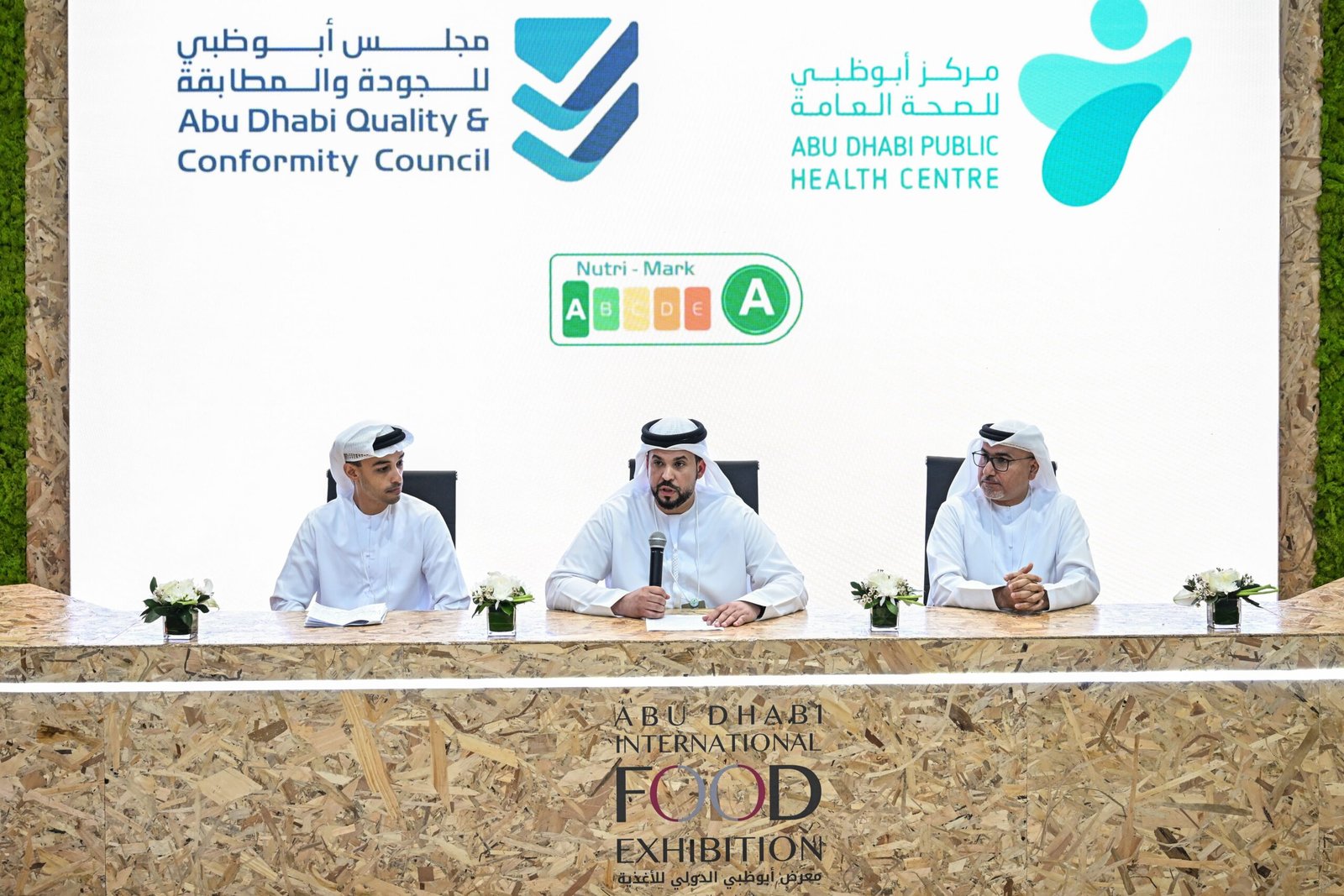
Abu Dhabi has taken a transformative step in public health and consumer empowerment with the launch of the Abu Dhabi Nutrition Mark (NutriMark).
This innovative front-of-pack nutrition labeling system, mandatory across the Emirate from June 1, 2025, is designed to help consumers make healthier food choices, encourage reformulation by food producers, and support the government’s broader strategy to combat non-communicable diseases and obesity.
Nutri-Mark is a bold step towards promoting healthier living. The UAE faces some of the world’s highest rates of obesity and diabetes, with over 30% of adults classified as obese and lifestyle-related diseases accounting for a significant share of national health expenditure.
Research from the UAE Food & Beverage Manufacturing Business Group (FBMG) and international health agencies consistently highlights the urgent need for interventions that make healthier choices easier and more accessible for the public.
Consumers in the UAE are increasingly health-conscious: 79% consider themselves health-conscious, and 65% regularly read food labels. Yet, traditional nutrition labels can be confusing or overlooked. The Abu Dhabi Nutrition Mark addresses this by providing a clear, standardized, and easily understood system that quickly communicates the health profile of packaged foods and menu items.
“The launch of Nutri-Mark marks a pivotal moment in setting new standards for food labeling, promoting greater transparency and accountability in the industry. By bringing together key retailers, food manufacturers, and partners from government, industry, and education, we are driving a shared commitment to raise awareness and empower consumers to make better, health-conscious choices, which will have a lasting socio-economic impact, supporting public health and reinforcing the UAE’s leadership in food quality,” said Abdulla Alyazeedi, Acting Secretary General ADQCC.

In its first phase, Nutri-Mark will focus on five key product categories: oils, dairy, beverages, baked goods, and children’s food, which includes cereals and snacks commonly consumed by children. In the second phase, a system certification for non-packaged food will also be introduced. While the initiative has been officially announced, consumers can expect to see Nutri-Mark labels on products by mid-2025.
What is Nutri-Mark?
Nutri-Mark is a color-coded, front-of-pack labeling system developed by the Abu Dhabi Public Health Center (ADPHC) and the Abu Dhabi Quality and Conformity Council (ADQCC), in collaboration with the Department of Health – Abu Dhabi (DoH) and the Abu Dhabi Agriculture and Food Safety Authority (ADAFSA). It is based on rigorous, science-backed criteria aligned with international best practices and local dietary guidelines.
How it works:
- Color Coding: Products are rated using a color scale (green, amber, red), indicating their levels of calories, saturated fat, sugar, and salt per serving.
- Eligibility: All pre-packaged foods and beverages, as well as menu items in restaurants, will be assessed for the mark.
- Criteria: The system evaluates total energy, saturated fat, added sugars, sodium, and beneficial nutrients such as fiber, vitamins, and minerals.
- Visibility: The mark is displayed prominently on packaging or menus, making it easy for consumers to identify healthier options at a glance.

The Abu Dhabi Nutrition Mark is designed to empower consumers with clear, actionable information. International evidence shows that front-of-pack labeling systems can reduce the consumption of calories, sugar, and salt; encourage healthier purchasing and eating habits and increase awareness of nutritional content and portion sizes.
In the UAE, these benefits are expected to be amplified by the population’s high label-reading rates and growing interest in health and wellness. The mark supports national strategies to reduce sugar intake, combat childhood obesity, and promote healthy eating in schools and workplaces1.
For manufacturers, retailers, and restaurants, NutriMark is both a challenge and an opportunity. Through this, companies are incentivized to reduce unhealthy ingredients and develop healthier products to achieve favorable ratings, with the system further enhancing consumer trust and brand reputation. Early adopters and those with healthier offerings can differentiate themselves in a crowded market.
Nutri-Mark is also a cornerstone of Abu Dhabi’s comprehensive public health strategy, aligning with the National Nutrition Strategy, which targets reductions in salt, sugar, and fat consumption; as well as with school nutrition and education programs. The system is also designed to be interoperable with international standards, supporting the UAE’s status as a global trade and innovation hub.
Since its announcement, Nutri-Mark has received strong support from major food manufacturers, retailers, and restaurant chains. Pilot programs and consumer studies indicate high recognition and positive shifts in purchasing behavior. The government expects rapid expansion, with the mark becoming a standard feature in supermarkets, food courts, and online delivery platforms.
Dr. Ahmed AlKhazraji, Acting Director-General of Abu Dhabi Public Health Centre, said, “A lack of understanding of the nutritional value of food products often leads to unhealthy food choices, becoming a significant driver of the rising obesity burden. Many people find it challenging to interpret complex ingredient lists and their health implications. To address this, the Nutri-Mark simplifies nutritional information into an easy-to-understand grading system. The philosophy of preventing illness before it starts is at the very heart of our work at the Abu Dhabi Public Health Centre and the Nutri-mark is one such initiative that aims to promote healthier lifestyle by empowering consumers to make healthier, informed choices. At DoH and ADPHC, we are proud of our continued engagement with essential government partners such as ADQCC to improve the health and wellbeing of the society.”
The Abu Dhabi Nutrition Mark is set to redefine the food landscape in the UAE, making healthy choices more visible, accessible, and appealing. By combining scientific rigor, regulatory support, and consumer engagement, Abu Dhabi is creating a model for the region and the world. As Nutri-Mark becomes part of daily life, it promises to deliver lasting benefits for public health, industry innovation, and national well-being.
TFP