
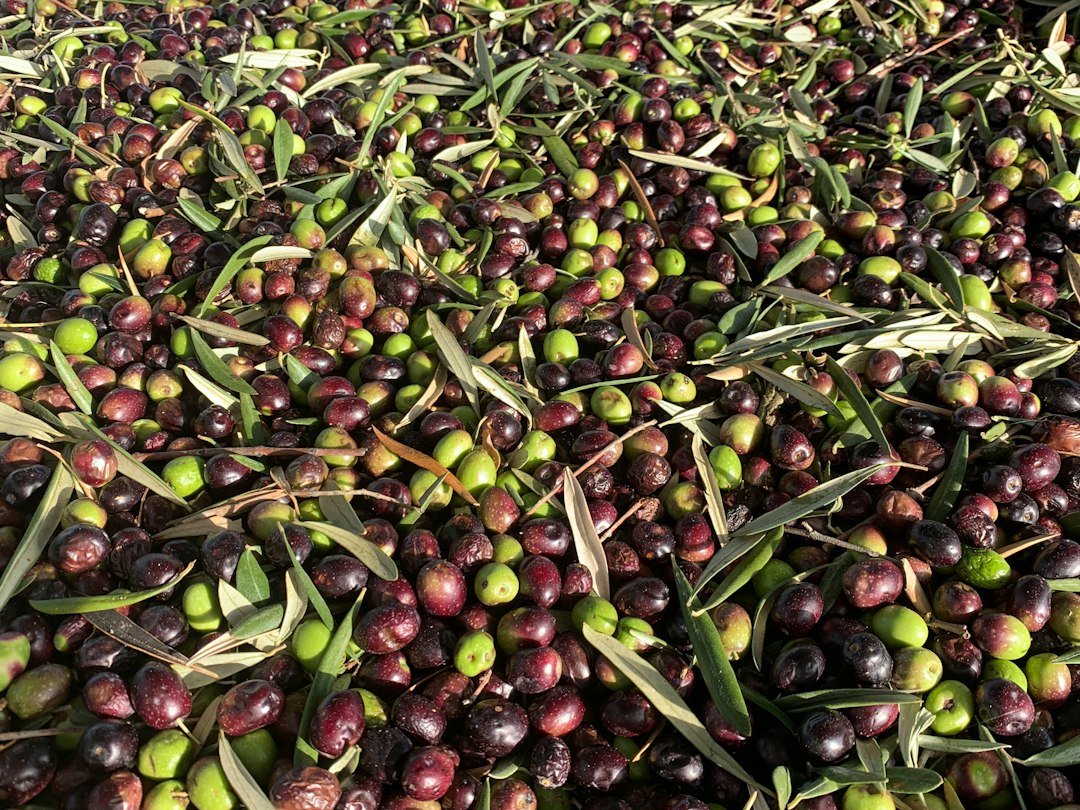
Palestinian farmers in the occupied West Bank began this year’s olive harvest in early October 2026 under a pattern of settler attacks that United Nations officials have said threatens a practice central to Palestinian rural life and household income. Reporting through the month has documented attacks on farmers and groves across multiple locations, with one incident resulting in a Palestinian’s death during the harvest, according to officials cited in international news coverage.
The olive harvest is, for many Palestinian families, both an economic lifeline and a seasonal ritual that draws extended families back to ancestral land for several weeks each autumn. Olive oil and table olives from groves that in some cases have been tended by the same families for generations form a meaningful share of annual household income in rural areas, alongside their place in Palestinian cultural identity as a marker of continuity with the land.
United Nations officials issued a joint statement urging Israel to protect this year’s harvest from settler violence, reflecting years of documented interference during the olive season, including trees cut down, fruit stolen before pickers can reach it, and farmers blocked or attacked while accessing groves near settlements. Israeli authorities have at times coordinated access permits intended to let farmers reach groves located close to settlements, though rights monitors say enforcement during the harvest period remains inconsistent.

A harvest that doubles as a land claim
Olive trees in the West Bank are slow-growing and long-lived, and many of the groves now contested were planted decades or generations ago, giving harvest access a significance that goes beyond this year’s fruit yield. Palestinian farmers and rights groups describe sustained presence on the land during harvest season as itself a form of asserting ownership and continuity, which is part of why interference with the harvest carries weight well beyond its immediate economic cost.
For households that depend on the olive crop for a significant share of annual income, a disrupted or shortened harvest window can mean lost earnings that are difficult to recover, since olives harvested late or left unpicked after an attack often cannot be processed into saleable oil. Several Palestinian agricultural cooperatives have organised volunteer pickers and international observers to accompany farmers into higher-risk groves, a response that has become a recurring feature of recent harvest seasons rather than an exceptional measure.
International attention has not changed the pattern on the ground
The UN’s call for protection this October echoes similar appeals issued in previous years, pointing to a gap between international statements and what farmers report experiencing in the groves themselves. Whether this season’s harvest can be completed without further violence will depend largely on decisions made locally, by settlers, Israeli security forces and Palestinian communities, rather than on diplomatic statements issued from outside the region.
Agricultural economists who study the West Bank’s olive sector note that repeated seasons of disrupted access compound over time, since trees that go unpruned or unharvested for consecutive years produce less fruit even once access resumes, meaning the cumulative effect of recurring attacks may outlast any single season’s reported losses. For farming families weighing whether to replant damaged groves or shift to other crops, that longer-term erosion of productivity is often as consequential as the immediate violence itself. Cooperative-run storage and pressing facilities, where they still function, help some farmers salvage a harvest completed under difficult conditions, but they cannot replace the fruit that attacks or restricted access prevent from being picked at all. Half a continent away, Kashmir’s wazwan wedding feast faces its own, very different pressure: rising costs rather than conflict, but a similar tension between tradition and survival.



