
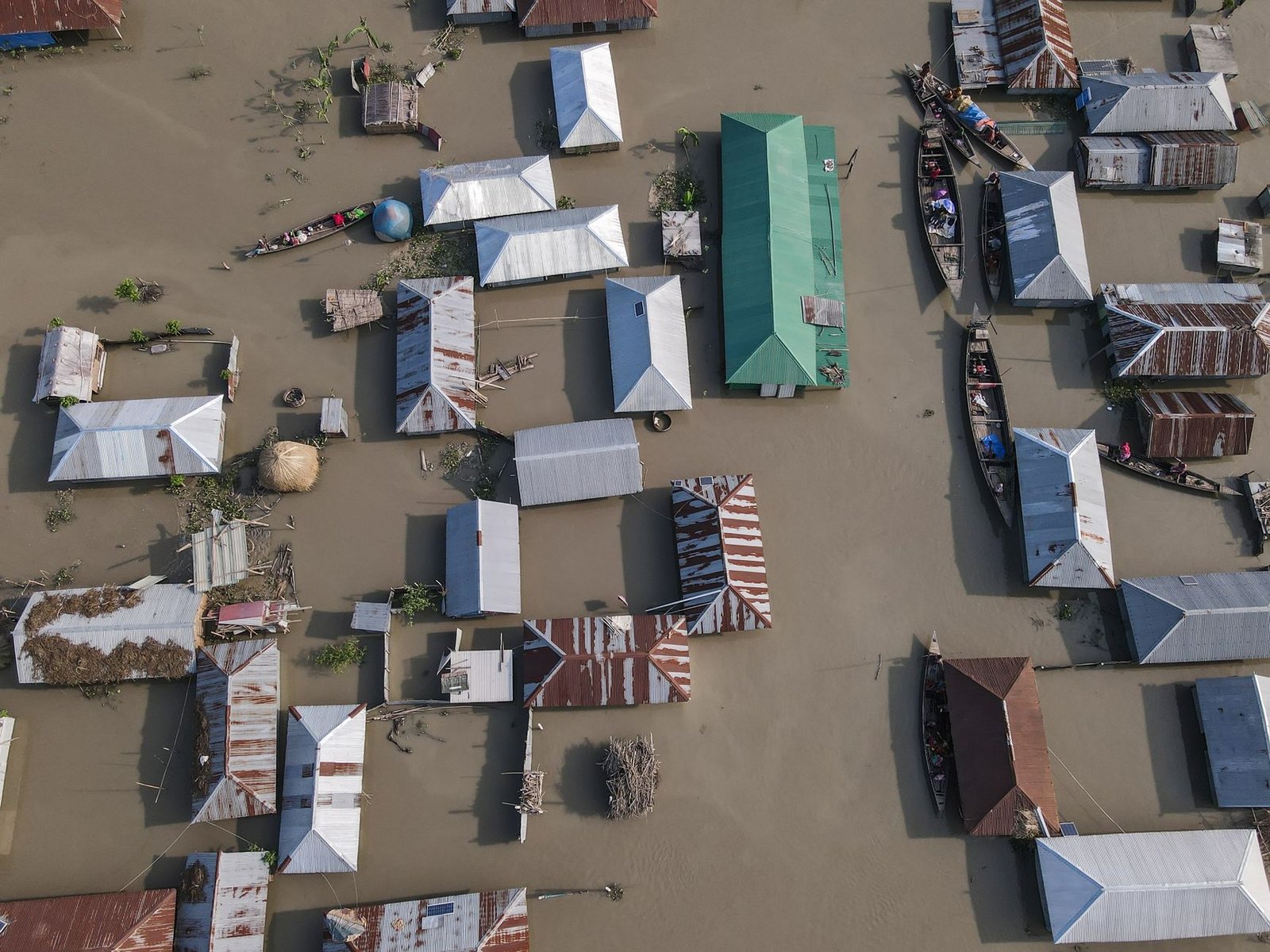
A catastrophic glacier collapse in Nepal’s Himalayas has become a rallying point for developing countries preparing to push for greater climate finance at COP31 in Türkiye, according to trade publication Carbon Pulse, which reported this week that the disaster has “rattled negotiators across the developing world” ahead of the talks. Negotiators from vulnerable nations are expected to use the scale of the disaster to argue for significantly more funding for the Loss and Damage Fund, the mechanism agreed under previous UN climate talks to help poorer countries cope with climate-linked disasters.
The disaster struck on 26 August 2026, when an estimated 100 to 200 million cubic metres of ice and rock broke away near Langtang Lirung and fell around 1,200 metres, generating enough friction to melt into a devastating flood down the Trishuli river valley. The US Geological Survey confirmed the seismic signals were consistent with a glacier collapse rather than an earthquake. The flood killed more than 955 people across Nepal and Tibet, with close to 4,800 still listed as missing, according to figures collated from Nepali and Chinese authorities; bodies were recovered as far as 240 kilometres downstream, across the border in India.
The damage bill in Nepal alone is estimated at more than Rs 200 billion (roughly USD 1.3 billion, or about £970 million). More than 40 bridges and 42 kilometres of road were destroyed, 13 hydropower projects were damaged, stripping 431 megawatts of generating capacity from the grid, and 20 schools were affected, disrupting electricity and communications across districts including Rasuwa, Nuwakot, Dhading, Gorkha and Chitwan.

For a country that contributes a negligible share of global greenhouse gas emissions, the disaster has sharpened long-standing arguments from Nepal and other climate-vulnerable nations that they are bearing costs created largely elsewhere. Glaciologists have linked the increasing frequency of such Himalayan glacier failures to long-term warming trends, even though establishing a direct causal link to any single event remains scientifically complex. What is not disputed, negotiators say, is that the toll of the disaster illustrates exactly the kind of loss the Loss and Damage Fund was designed to address, yet the fund remains far short of the resources vulnerable countries say they need.
COP31, due to be hosted by Türkiye, was already expected to focus heavily on climate finance following disputes at earlier summits over how quickly pledged funds would reach affected communities. Advocates for stronger funding argue that disasters like the Nepal floods, which struck a mountain region with limited early-warning infrastructure for glacier-related hazards, show the cost of underinvesting in adaptation compared with the scale of damage once disaster strikes.
The floods also carry a food and livelihoods dimension that is likely to resonate with delegations from other agrarian, climate-exposed economies. Communities in the Trishuli valley lost farmland, irrigation infrastructure and livestock alongside homes and roads, echoing the kind of climate-linked disruption to smallholder livelihoods seen this year in food systems from South Sudan to Kerala, where unpredictable rainfall has already reshaped harvests and commodity markets.

Cross-border dimensions of the disaster have also complicated the response. With Tibet affected as well as Nepal, and the Gyirong Port border crossing between the two countries destroyed, recovery efforts have had to be coordinated, at least partially, between Kathmandu and Beijing, even as bodies and debris were recovered as far away as Indian territory downstream. Foreign nationals made up more than 590 of the people still listed as missing in Nepal, complicating identification and repatriation efforts in the weeks since the disaster.
Nepali officials say reconstruction of destroyed roads, bridges and hydropower capacity will take years and far exceed what the country can fund domestically, a gap they argue makes the case for faster, more predictable climate finance rather than the ad hoc emergency appeals that typically followed past disasters. That argument, delegates say, is likely to shape some of the toughest exchanges at COP31.