
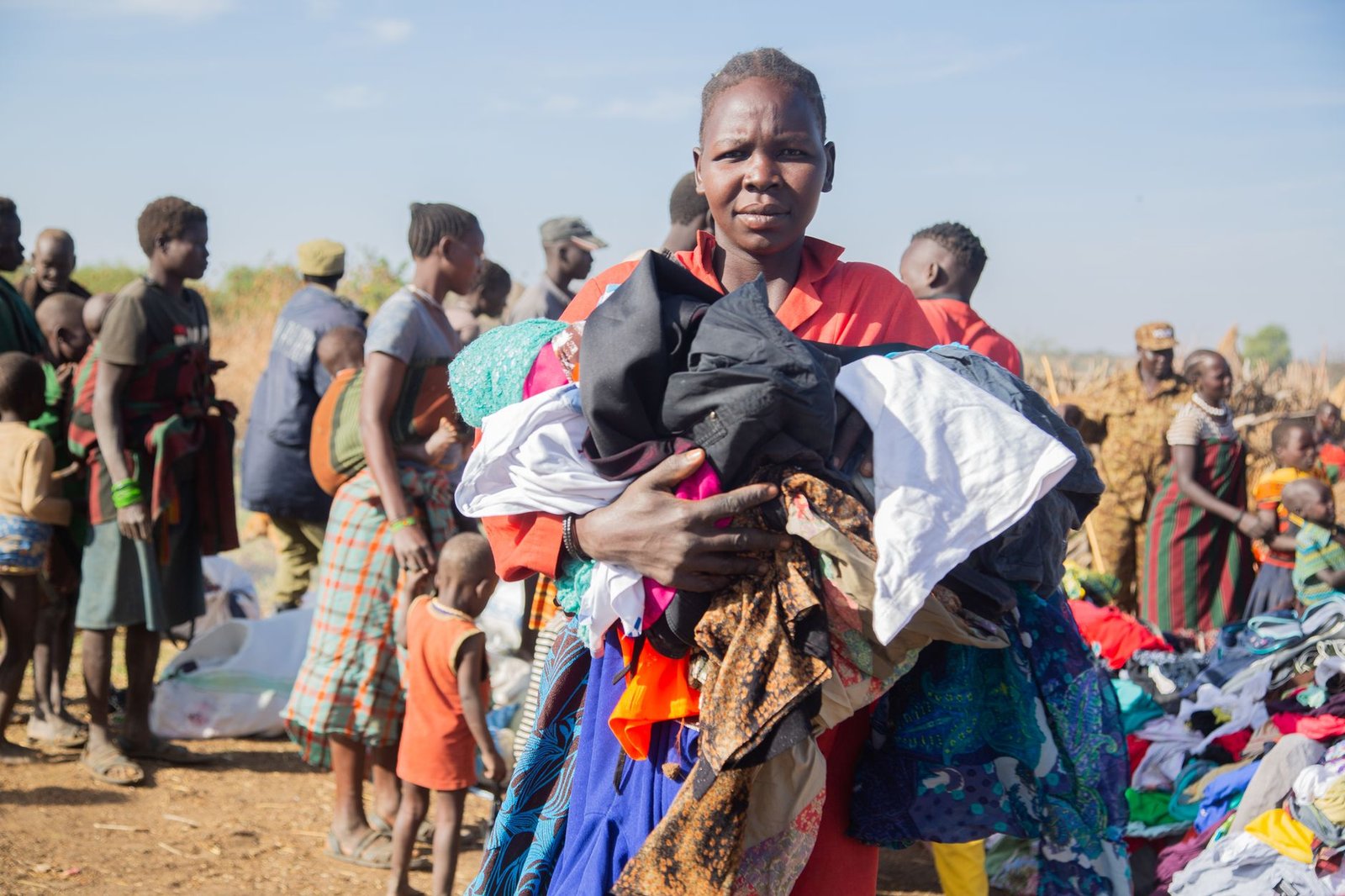
More than half of South Sudan’s population, some 7.8 million people, are facing acute food insecurity as conflict, climate shocks and a shrinking aid budget converge, the World Food Programme said this week. According to WFP, deteriorating conditions are compounding a crisis that has simmered for years, and officials have warned that without fresh funding, a further one million vulnerable people could lose food assistance by October.
WFP assistant executive director Matthew Hollingworth said conflict, displacement, economic hardship, climate shocks and the fallout from the war in neighbouring Sudan were “converging to push millions of people deeper into vulnerability”, according to UN News. Sudan’s war is driving roughly 3,000 refugees and returnees into South Sudan every week, further straining resources in a country already dependent on humanitarian supplies for basic nutrition.
The scale of need is stark. About 2.2 million children require urgent nutrition support and a further 1.2 million pregnant and breastfeeding women need assistance, according to WFP figures reported by UN News. In Malakal, one of the worst-affected towns, Hollingworth said that “if a family is eating something other than tomatoes, okra, chilies and onions … anything else they are eating has been flown in” — a stark illustration of how little food is now grown or traded locally.

The immediate trigger, aid officials say, is an unusually strong El Niño weather pattern, sometimes described as a “super El Niño”, which has disrupted rainfall across East Africa and is expected to worsen dry spells in parts of South Sudan even as flooding persists elsewhere in the region. The same weather pattern has featured in food security warnings well beyond South Sudan this year, from the wider Horn of Africa to South-East Asia, where forecasters have also flagged risks to staple harvests such as rice.
Aid delivery itself has become harder and more expensive to sustain. Reporting by the legal news outlet JURIST notes that humanitarian convoys moving along the Nile face illegal checkpoints and informal taxation that add significantly to the cost and time of reaching communities in need, a logistical burden that compounds the funding shortfall WFP says it is grappling with.
WFP has appealed for additional resources to sustain its response through the rest of the year, warning that the coming months, historically a lean season before harvests, could see conditions deteriorate further without intervention. The agency says early, well-funded action remains the most cost-effective way to head off a crisis before it deepens, a principle it argues applies across other climate-stressed food systems in the region, including Egypt’s efforts to diversify its wheat sourcing amid disruptions to Black Sea grain shipments.

South Sudan’s predicament also underscores a wider pattern aid agencies have flagged repeatedly this year: countries already weakened by conflict or fragile governance tend to absorb climate shocks far worse than more stable neighbours, even when the underlying weather event is regional rather than local. The same super El Niño pattern blamed for South Sudan’s worsening outlook has also been cited by forecasters watching rice-growing regions of South-East Asia, where import planners are bracing for tighter supplies later this year.
Whether the additional funding WFP is seeking materialises before October remains uncertain. Aid officials say the coming weeks will be pivotal: donor decisions made now will determine whether the agency can maintain rations for the roughly one million people it has identified as most at risk of losing support, or whether the caseload it can reach shrinks just as the lean season begins to bite.