A re-forming El Niño weather pattern is converging with the war in the Middle East to push food security risk higher across Asia, according to a new index from risk consultancy Verisk Maplecroft published this week. The combination of climate disruption and conflict-driven supply shocks is squeezing net food-importing economies from South Asia to Southeast Asia, the firm found, with rice, wheat and edible oil supplies among the most exposed.
Verisk Maplecroft’s analysts singled out the Middle East conflict’s effect on shipping routes and energy costs as a compounding factor, since higher freight and fuel costs feed directly into food import bills for countries that rely on seaborne grain and oil shipments. Economies with thin foreign exchange reserves and high food-import dependence are least able to absorb the shock, the index found, raising the risk of social unrest in the hardest-hit markets.
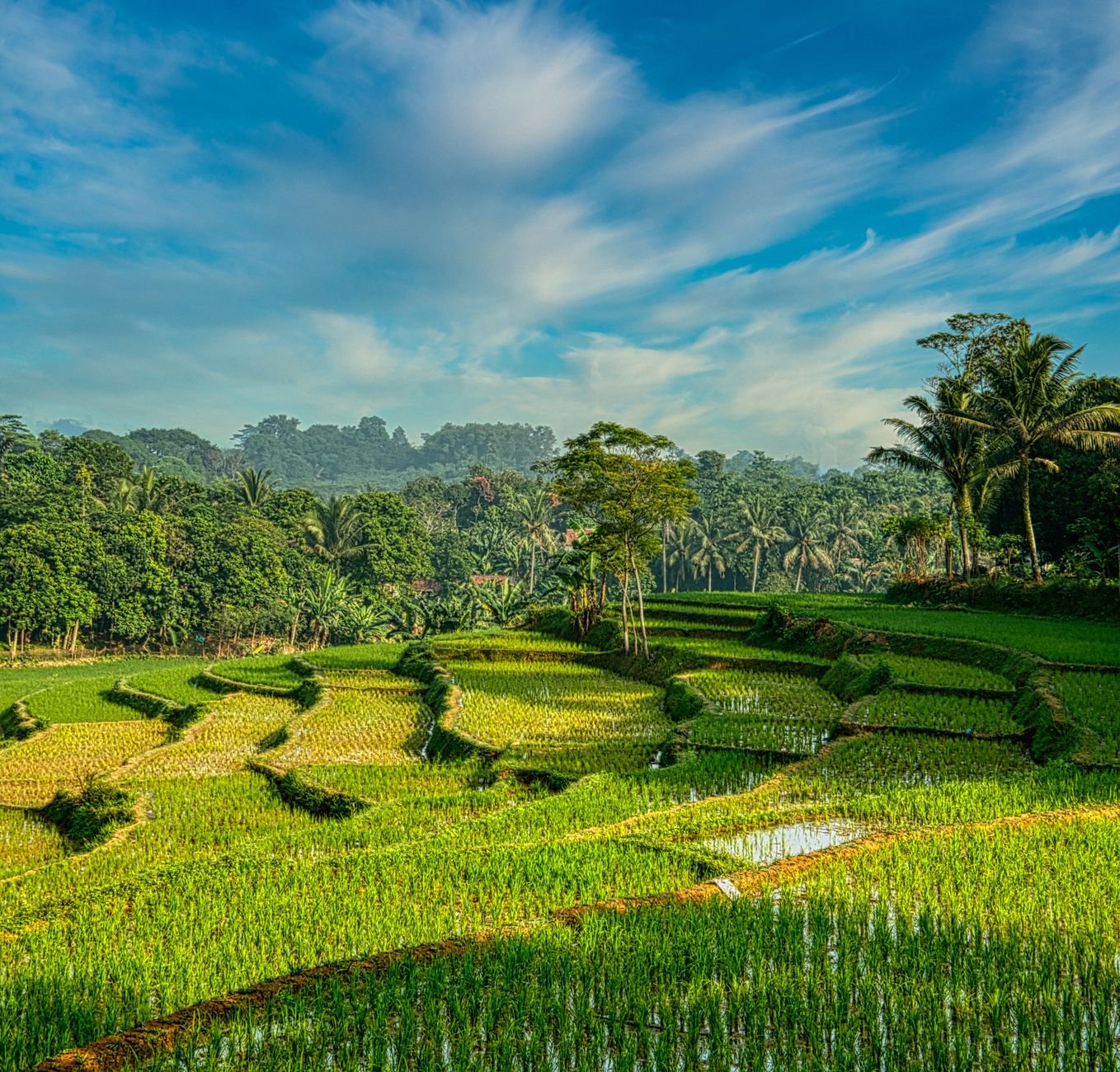
El Niño’s return is a separate but overlapping pressure. The weather pattern, which warms the central Pacific and disrupts monsoon rainfall across South and Southeast Asia, has historically coincided with weaker harvests in India, Indonesia, the Philippines and Thailand, among the region’s largest rice producers. A weaker monsoon this year would tighten rice supplies just as global markets are already absorbing the shipping and energy disruption from the Middle East conflict, compounding price pressure for consumers who spend a large share of household income on food.

South and Southeast Asia are not equally exposed. Countries with strong domestic grain reserves and diversified import sources, such as India, have more room to manage a shock than smaller economies that depend heavily on a handful of suppliers. Indonesia and the Philippines, both large net rice importers, are among the markets flagged as most vulnerable to a combined climate and conflict shock, since a poor domestic harvest would force them to compete for scarcer, costlier imports.
The warning adds to a run of hunger-related alerts this year. Earlier UN assessments have flagged worsening acute food insecurity and malnutrition in multiple crisis-affected regions, and the Verisk Maplecroft index reinforces that Asia’s food systems, despite decades of productivity gains, remain vulnerable to compounding shocks that arrive faster than governments can respond. Analysts have urged regional governments to strengthen grain reserves, diversify import sources and expand social protection programmes ahead of the harvest season, rather than waiting for prices to spike before acting.
The risk is not confined to Asia. A hotter, drier El Niño pattern also tends to intensify wildfire seasons in Africa and the Americas, a link that is already showing up in this year’s global fire data (see related story). For Kerala and the wider Indian subcontinent, the immediate concern is monsoon variability: a weak or erratic monsoon affects rice and wheat yields, and it also unsettles the vegetable and spice crops that underpin regional food culture and household budgets.

Shipping data cited in the Verisk Maplecroft index shows freight rates on key Asia-bound grain routes have already risen since the Middle East conflict escalated, a cost that importers typically pass through to retail prices within a few months. For a government treasury managing subsidised food distribution, that lag matters: a shock that shows up in shipping costs in one quarter often does not reach consumer price indices until the next, giving policymakers a narrow but real window to intervene before the increase is fully absorbed by households.
Governments across the region face a narrowing window to prepare. With El Niño conditions typically peaking towards the end of the calendar year, the coming months are likely to determine how much of this year’s harvest cycle absorbs the shock, and how much is passed on to consumers already contending with higher food prices. Grain reserve levels, held by state agencies in several large Asian economies precisely to smooth over shocks of this kind, will be tested more directly than in recent years if both pressures continue to build through the final quarter.