
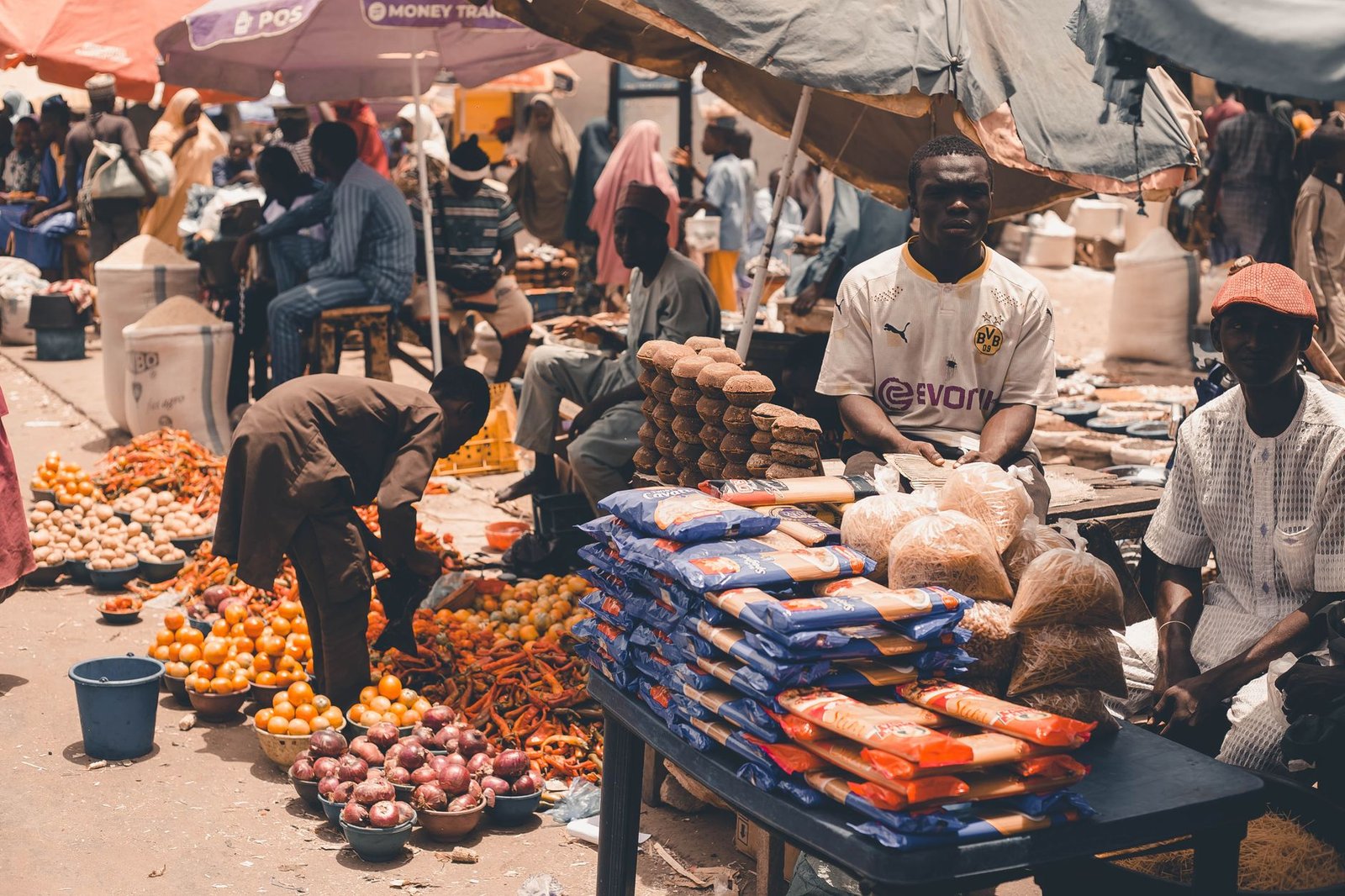
Nigeria’s food inflation rate eased to 19.57% in August. This was its first decline in six months, according to figures the National Bureau of Statistics released this month. Headline inflation also softened, slipping to 15.39% from the previous month’s reading. New harvests began reaching markets, easing the supply-side pressure that had driven prices higher through much of the year.
The improvement is modest against the scale of the increases that preceded it. Food inflation had climbed steadily for six consecutive months before August’s reading. A mix of currency depreciation, high transport costs and energy costs drove the rise. Insecurity in parts of the country’s farming heartland also disrupted planting and harvest cycles. Even after the latest easing, food prices remain roughly a fifth higher than a year ago. That burden falls hardest on lower-income households, who spend a disproportionate share of their earnings on food.
The seasonal harvest effect is the clearest driver of August’s improvement. Nigeria’s main growing season delivers staple crops such as maize, cassava, yam and rice to markets between August and October. This typically eases supply constraints and moderates prices until the next lean season begins. Economists tracking the data noted that ten states recorded the country’s lowest food inflation rates in August. That is a sign the harvest effect is reaching beyond the immediate producing regions into wider retail markets.

A steadier naira aids the easing
Currency stability has also played a role. The naira has traded with less volatility in recent months than it did over the previous two years. This has reduced the pass-through effect that a weaker currency has on the cost of imported inputs such as fertiliser, animal feed and packaging. All of these feed into retail food prices. Analysts caution, however, that the relief could prove temporary. It may not last if insecurity disrupts the next planting season or if global commodity prices rise again.
The easing comes as food security concerns mount elsewhere on the continent and across Asia. This underscores how closely Nigeria’s domestic price trends track broader regional and global pressures on food systems. See related story on precision agriculture’s role in stabilising African harvests. Nigeria remains Africa’s most populous country and one of its largest food producers. Swings in its inflation data carry weight for regional food security assessments that the African Union and development agencies prepare.
The Central Bank of Nigeria points to the slowdown as evidence its tighter monetary policy is starting to work. Prices are beginning to reflect that stance, it says. It has stopped short of signalling an imminent policy easing. For now, the August data offers cautious relief rather than a turning point. Food inflation remains close to double the rate the central bank targets. The coming months will show whether August’s improvement holds or proves a temporary lull between two periods of sustained price pressure. The harvest will taper off and the dry season will set in during that time.

Relief varies widely across states
State-level variation within the national figure is significant. The ten states with the lowest food inflation readings in August sit within the country’s main grain and tuber-producing belts. There, the harvest effect reaches consumers directly through shorter supply chains. States more dependent on food transported from other regions, by contrast, continue to see prices closer to the national average or above it. Transport costs and the number of intermediaries between farm and market erode much of the harvest-season relief before it reaches urban buyers.
Household budgets remain stretched despite the improvement. Nigerian families typically spend more than half their income on food, among the highest shares in the region. Even a meaningful statistical easing in the inflation rate translates into only modest relief at the till. Civil society groups tracking cost-of-living pressures have called for the harvest-season gains to be reinforced with targeted support for vulnerable households. They warn that a single month of improvement is not sufficient evidence that the broader affordability crisis has eased.