
Equity Bank and the International Fund for Agricultural Development have launched a US$200 million climate financing mechanism. It targets smallholder farmers across Kenya, Uganda, Tanzania and Rwanda. That sum equals roughly Ksh 25.8 billion, or about £158 million at an exchange rate of 0.79 GBP to the dollar, a rate accurate as of September 2026. The mechanism marks one of the largest dedicated climate-finance commitments aimed specifically at East African agriculture to date.
It runs over twelve years. The mechanism aims to directly benefit around 260,000 smallholder farmers and 500 rural micro, small and medium-sized enterprises. Backers also want it to improve food security for an estimated 1.2 million people across the four countries, according to details reported by citizen.digital on 8 September 2026. The multi-year structure is designed to give both lenders and farmers time to adjust as conditions change.
Of the total sum, US$180 million is earmarked as lending capital and about US$20 million for technical assistance. Equity Group is contributing US$90 million overall, with the remainder drawn from IFAD and other partners. Backers project the mechanism will generate US$266 million in loans across four investment cycles, effectively multiplying the initial capital through repeated lending rounds.

Targeting women and young farmers
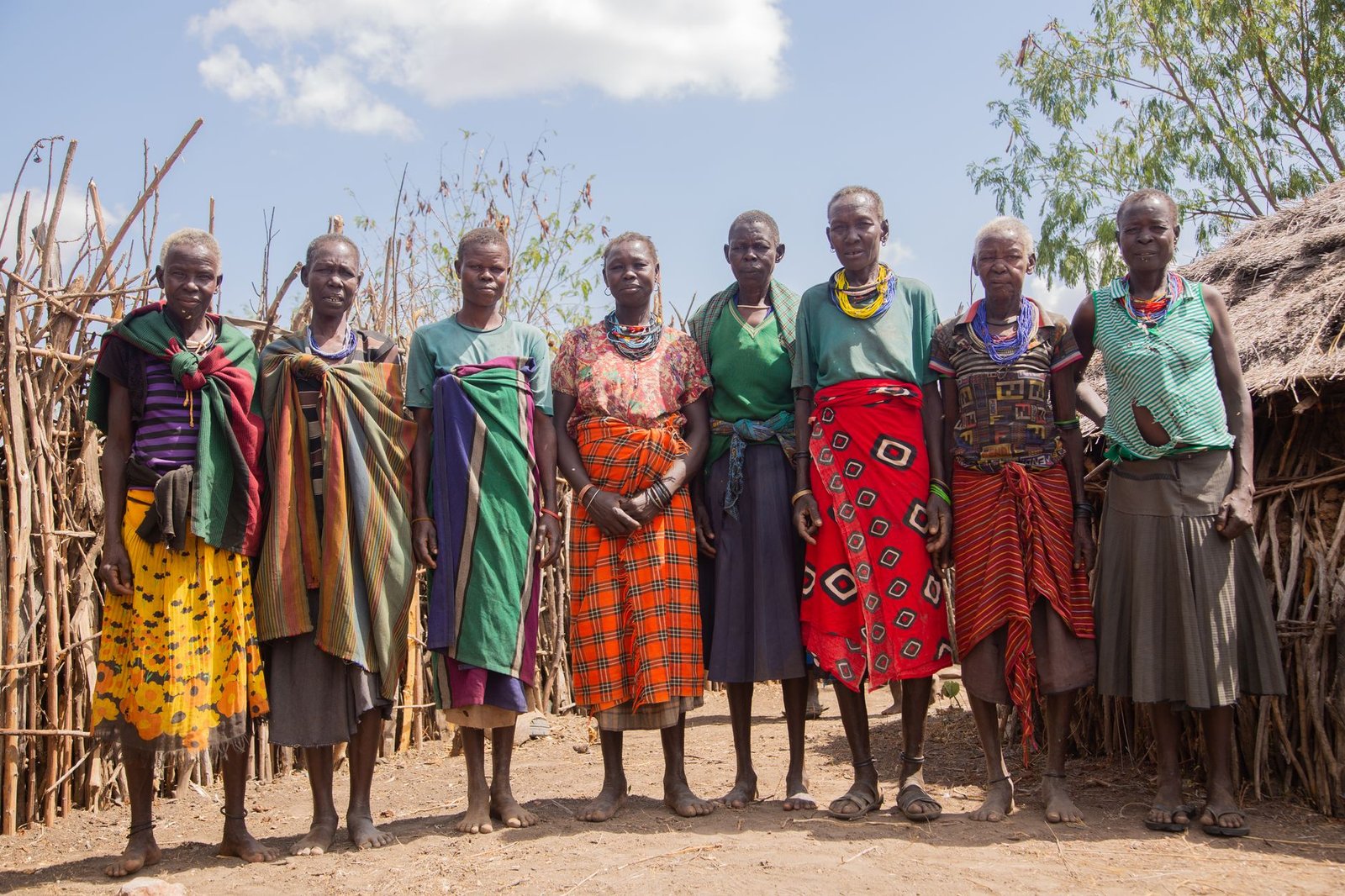
At least half of beneficiaries are targeted to be women. Youth account for 30 percent of the total, according to launch details reported across East African outlets including Observer Uganda, allAfrica and The Kenya Times. These targets address a longstanding gap in agricultural finance, since women smallholders and young farmers have often struggled to access credit, insurance and climate-adaptation funding despite carrying out much of the region’s farming work. Formal lenders have historically treated smallholder agriculture as too risky to finance at scale, a perception the new mechanism is designed to challenge.
Dr Gérardine Mukeshimana, IFAD’s vice president, said the initiative “is starting in East Africa, but it is designed to be adapted and replicated across Africa.” Dr James Mwangi, Equity Group’s chief executive, framed the mechanism as a recognition of farmer agency. “Africa’s smallholder farmers are not waiting to be rescued,” he said. “They are entrepreneurs operating in the most demanding risk environment on earth.”
Moses Nyabanda, Equity Bank Kenya’s managing director, said the mechanism will enable farmers and agricultural businesses to adapt, adding that it should help them increase production and grow revenues and incomes. His comments reflected a theme running through the launch, one that positioned smallholders as commercial partners in the agricultural economy.
Part of a wider access question
The scheme ranks among the largest dedicated climate-adaptation finance mechanisms aimed specifically at East African smallholders. It pairs lending capital with technical assistance, combining money with practical support for farmers adjusting to changing conditions. Its gender and youth targets signal a shift in how such finance gets designed, reaching groups that have often been last in line for formal credit and irrigation investment.
The pattern echoes other developments reported separately today. Gender-transformative farming interventions have lifted women’s adoption of improved seed varieties from 42 percent to over 90 percent in Kenya’s Makueni and Machakos counties, while a separate Inter Press Service report highlights a wider irrigation investment gap across the continent. Together, the three point to the same underlying question of who gets access to agricultural finance and technology.
Equity Bank and IFAD expect the East African rollout to serve as a template for the continent. Dr Mukeshimana’s comments suggest replication elsewhere is already built into the plan. If lending targets and gender ratios hold over the mechanism’s twelve-year run, it could reshape how climate finance reaches smallholder farmers well beyond the four countries where it begins.