Russia has raised its export duties on wheat, meslin and corn for the period of 9 to 15 September 2026, a wheat export duty increase that lands squarely on Egypt, the world’s largest wheat importer. The change, tracked by trade monitor Global Trade Alert, falls under Moscow’s floating duty mechanism, which resets levies in line with rouble exchange-rate and world price movements. Egypt has for years leaned heavily on Black Sea supply, and on Russian wheat in particular, to keep its bread subsidy programme running, so even an incremental rise in Moscow’s export costs works its way into Egyptian import bills.
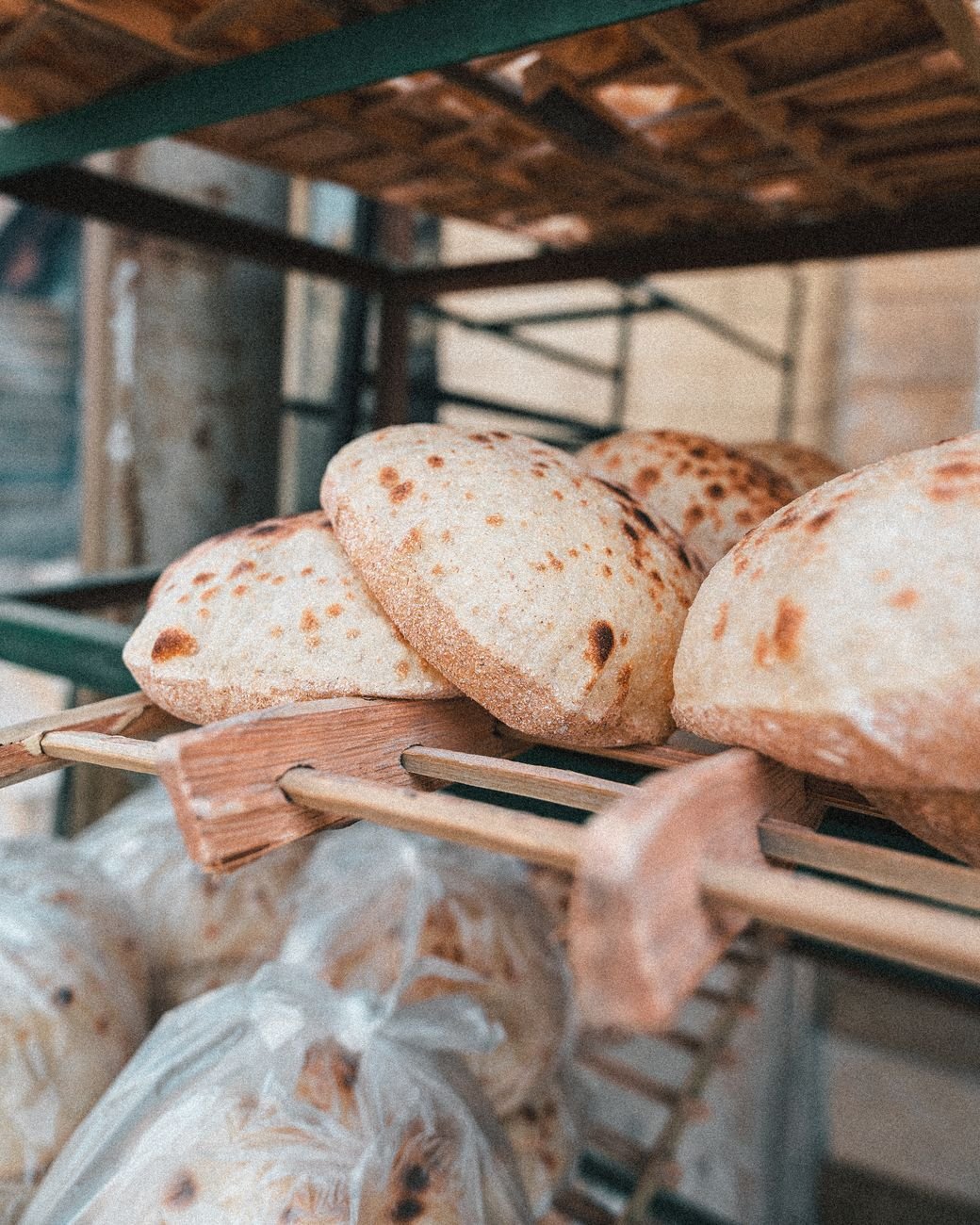
Egypt’s reliance on a single external source for its staple grain has worried food-security analysts for years. Wheat underpins the country’s baladi bread programme, which subsidises loaves of bread for a large share of its population, and any shift in Black Sea pricing or supply tends to filter quickly through the domestic market. Russia’s floating duty system is designed to capture extra revenue for its own treasury whenever global prices climb, and that structure passes part of the cost on to buyers such as Egypt without any change to the underlying harvest.
Egypt’s food trade tells a rather different story elsewhere. Processed-food exports from the country are running at a record pace in 2026, according to EnterpriseAM Egypt, a Cairo-based business news service, even as its dependence on Black Sea wheat imports deepens. Egypt is, in effect, building a reputation as a food exporter while remaining acutely exposed on the import side, a duality that has defined its agricultural trade position for much of the past decade.

Exports rise while exposure persists
The two trends sit on the same balance sheet rather than pulling against each other by accident. Egyptian manufacturers have found growing markets abroad for processed goods, including packaged foods and confectionery, built partly on imported grain and other raw materials. That model works best when import costs stay low and predictable. A wheat export duty increase from Russia, even one whose precise scale has not been confirmed publicly, chips away at that predictability and adds a further variable to Egypt’s food import bill.
Global Trade Alert’s tracking shows Russia adjusting duties on a rolling basis as part of state trade policy, rather than through a single, fixed tariff change. That mechanism makes it difficult for importing countries to plan far ahead, since each weekly reset depends on currency and price movements outside their control. For Egypt, which imports the large majority of its wheat needs, that unpredictability sits awkwardly alongside its expanding export ambitions.
A single supplier, a persistent risk
Single-supplier dependence of this kind is a recognised vulnerability in food-security terms, since an exporting country’s own policy choices, from export duties to outright bans, pass through directly to buyers with few alternative sources lined up. Egypt’s wheat import bill has tracked Black Sea developments closely for more than a decade, and the latest duty increase adds one more variable to that long-running exposure, even without any dramatic shift in headline import volumes.
The pattern echoes a wider concern raised in separate coverage today of Africa’s irrigation and climate-finance investment gap, reported via Inter Press Service, which points to chronic under-investment in domestic and regional food production across the continent. Egypt’s wheat exposure is one more illustration of how thin margins in local production and storage capacity leave countries dependent on decisions made far outside their borders.
For now, Egypt’s food economy is pulling in two directions at once. Export growth in processed foods offers a genuine bright spot, while the wheat import bill remains hostage to policy shifts in Russia. How Cairo balances the two through the rest of 2026 will depend on both global grain markets and its own progress on diversifying supply.