
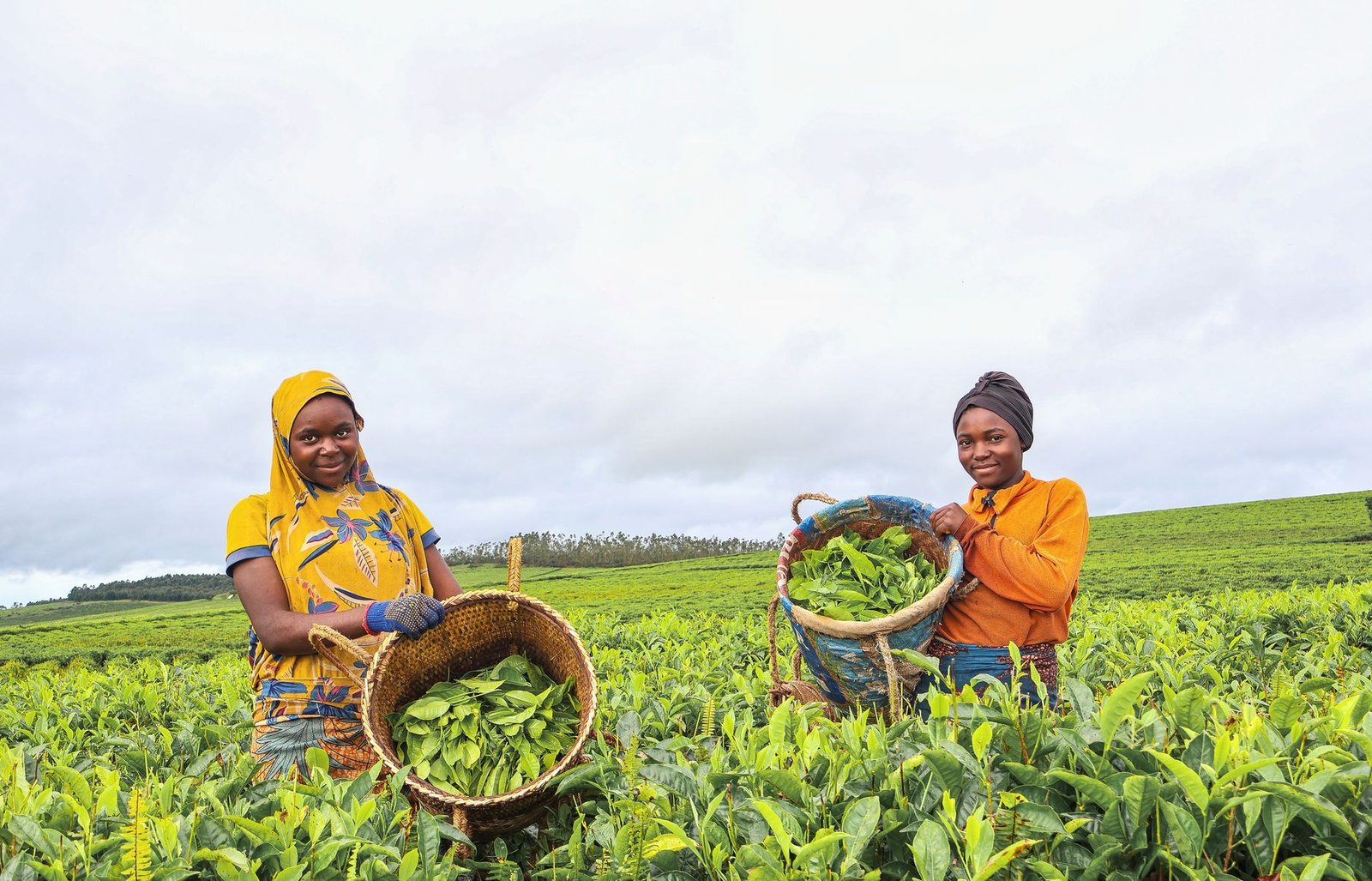
Mpumalanga women farming cooperatives are turning subsistence garden plots into registered businesses, aided by training and market contracts backed by development finance long scarce in South Africa’s rural economy. In Dr JS Moroka municipality, sisters Esther and NaNtuli Skhosana-Somgaselwa founded the Somgaselwa Women’s Organisation in 2019, converting an illegal dumping site in Marothobolong into a working vegetable garden. Esther, an electrical engineer, said the project began as a response to unemployment and poverty rather than a farming ambition.
Five women now tend 2.5 hectares along a river, using the water for irrigation and growing vegetables sold to local households, weddings and funerals. The cooperative has said its aim is to keep produce affordable for pensioners and low-income families while building self-reliance in a poor community. Pretoria’s formal wholesale market lies almost 150 kilometres away, and the distance adds transport costs that eat into thin margins and threaten the freshness of produce before it arrives.
That gap from formal markets is a familiar constraint across Mpumalanga, and it is what a larger, better-funded programme has tried to close. The South Africa Just Energy Transition Jobs First Project, known as SAJJOF, has trained 25 women farmers across villages including Marite, Belfast Trust and Bushbuckridge. Training covered bookkeeping, digital farm management and business planning. Funding comes from the African Development Bank, the Climate Investment Funds and Absa Bank, with UVU Africa implementing the work under the Mpumalanga Green Cluster Agency.

Training turns plots into ledgers
Participants received tablets loaded with farm-management tools alongside classroom sessions on pricing and cash flow. Skhulile Malibe, a farmer in Marite village, said she previously could not tell whether she had made money by the end of a trading day. Her neighbour Kolile Malibe described the programme as changing how she saw herself, moving from someone growing food to eat toward someone becoming a commercial farmer. In Belfast Trust, Gracious Masuku said she now keeps her own financial records rather than relying on guesswork.
The results reported by the programme are notable for a rural province with high unemployment. Graduates have created 66 new jobs, and UVU Africa says more than nine in ten now supply supermarkets, school feeding schemes or hospitality lodges instead of selling informally. Five regional farmer clusters have been established to pool produce and negotiate better prices. In Bushbuckridge, Smangele Makutu, once homeless, has secured a 15-year agreement to farm land at her former high school.
Some graduates are also being steered toward Mpumalanga’s tourism corridor. An African Development Bank task manager on the project has flagged an opportunity there. The province’s roughly $1 billion safari and hospitality market remains an underused outlet for fresh produce grown near lodges and reserves. Stronger links to that market could ease the long hauls to Pretoria that still squeeze cooperatives such as Somgaselwa.
The gap the numbers still show
The shift matters because women remain structurally sidelined in South African agriculture despite doing much of its work. Women held 431,000 farm jobs in the second quarter of 2023, or 28 percent of the sector’s workforce, according to Statistics South Africa data cited by North-West University researcher Ella Mogashoa. Yet women own only 24 percent of agricultural land nationally and hold just 30 percent of commercial farming roles, against 43 percent for men.
Programmes like SAJJOF and cooperatives like Somgaselwa have not closed that gap. They point toward one route past it: land access paired with financial literacy and buyer contracts, rather than donated inputs alone. Cabbage and potatoes dominate the crops moving through the new supply chains, alongside the vegetables grown along Mpumalanga’s rivers. Whether the model behind Mpumalanga’s women farming cooperatives scales beyond a few hundred participants remains an open question. Much depends on whether more groups can secure the land tenure and market access that turned Marothobolong’s dumping ground into a working farm.