
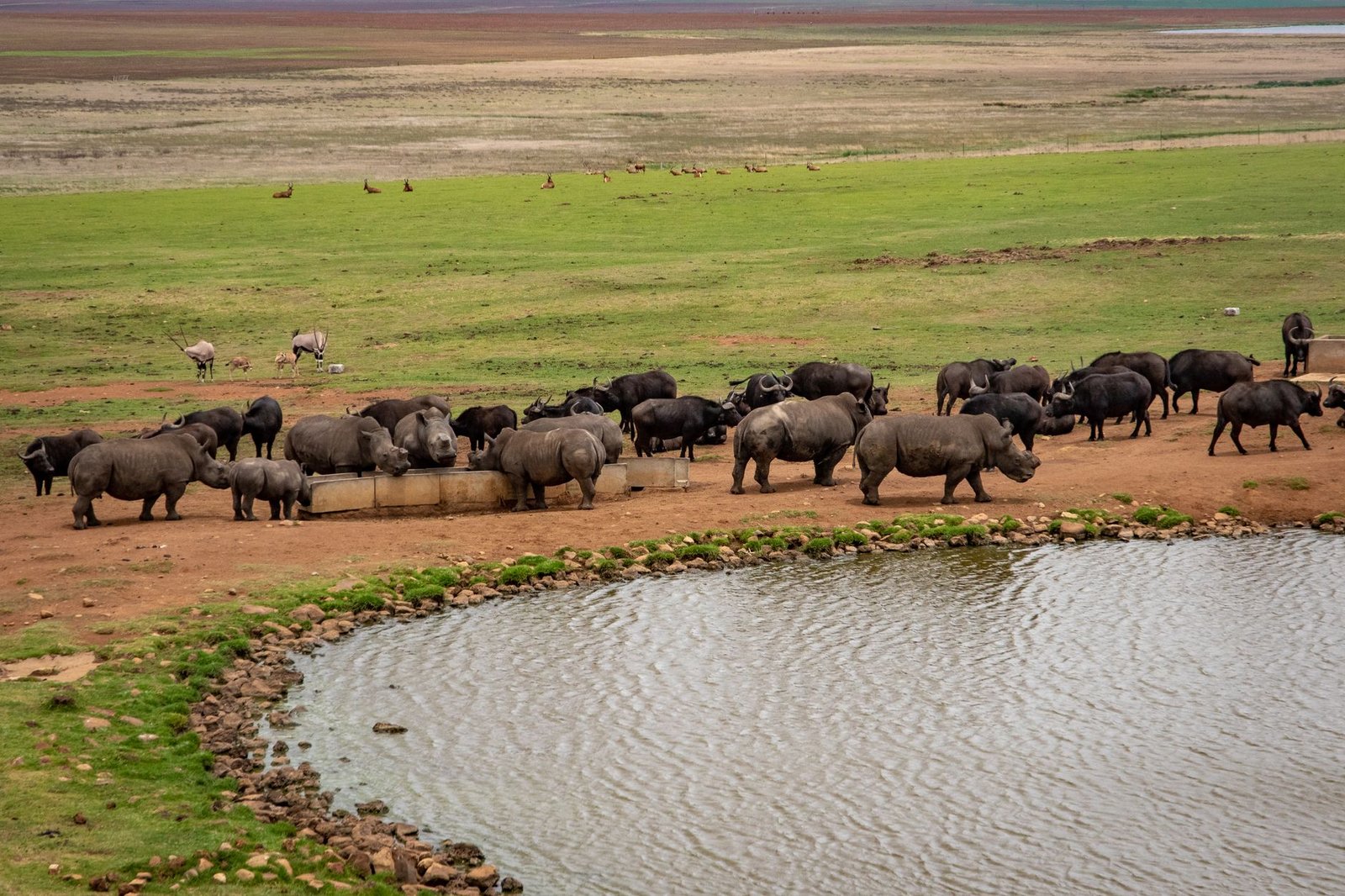
Africa now has a single regional biodiversity outlook consolidating data across 24 countries, launched in Nairobi weeks before the world’s biggest biodiversity summit convenes in Armenia. The Regional Centre for Mapping of Resources for Development (RCMRD), based in Nairobi, Kenya, launched the Biodiversity Outlook for Eastern and Southern Africa (BOESA) jointly with the European Union (EU), under the RCoE-ESA regional centre-of-excellence initiative.
The launch took place during a regional workshop held in Nairobi from 22 to 24 September 2026, bringing together policymakers, conservation professionals, researchers and development partners from across Eastern and Southern Africa. BOESA is designed to pull together biodiversity data and regional knowledge that has long been scattered across national agencies, research institutions and international programmes. Local communities most directly affected by biodiversity loss were also represented in the discussions, reflecting the outlook’s stated aim of serving a wide range of users rather than policymakers alone.
Timing was deliberate. The regional biodiversity outlook arrives ahead of the 17th Conference of the Parties to the UN Convention on Biological Diversity (CBD COP17), which runs from 19 to 30 October 2026 in Yerevan, Armenia. Countries there will review progress on the Kunming-Montreal Global Biodiversity Framework, the global agreement setting 2030 biodiversity targets, including the “30×30” goal of protecting 30% of the planet’s land and sea.

Closing the data-to-policy gap
Officials involved in the launch were explicit about the problem BOESA is meant to solve: plenty of biodiversity data exists, but too little of it reaches the people who set policy. “We often lack the next step of translating it into policy and, therefore, into action,” said Sanne Willems, the EU’s regional partnerships representative, at the Nairobi workshop.
Dr Emmanuel Nkurunziza, RCMRD’s Director General, described the outlook as a way of bringing together “data, knowledge and regional experiences to support biodiversity conservation.” Making that information easier to access, he said, is intended “to support policymakers… in advancing nature-positive action across the region.”
That gap between data collection and policy use has dogged conservation efforts across the region for years. Countries have often gathered extensive environmental data through separate national surveys, satellite monitoring programmes and research projects, without a shared regional platform to compare findings or guide cross-border decisions. BOESA is pitched as that missing layer, serving policymakers, conservation professionals, researchers, development partners and communities alike.
Stakes rise ahead of COP17
The 24-country scope gives BOESA a reach spanning some of the continent’s most biodiverse and climate-vulnerable landscapes, from the Great Lakes region to the Zambezi basin. Negotiators heading to Yerevan will be judged on how far their countries have moved toward the Kunming-Montreal Framework’s 2030 targets, and better regional data could shape how governments report that progress.
The initiative also fits a broader pattern of African governments and partners betting that improved monitoring and shared platforms, rather than new conservation rules alone, can improve outcomes. A parallel push in Kenya, where an Israeli-backed irrigation and climate-smart farming partnership is tackling water scarcity for smallholders, reflects a similar continent-wide shift toward putting stronger data and technology behind resource management.
For many of the 24 countries involved, that reporting is complicated by overlapping mandates and limited capacity to track biodiversity trends independently, a gap regional platforms like BOESA are intended to narrow.
Whether BOESA changes outcomes at COP17 will depend on uptake beyond the Nairobi workshop room. RCMRD and the EU have built the data layer; converting it into binding national commitments remains the task facing the 24 governments the outlook now covers.