
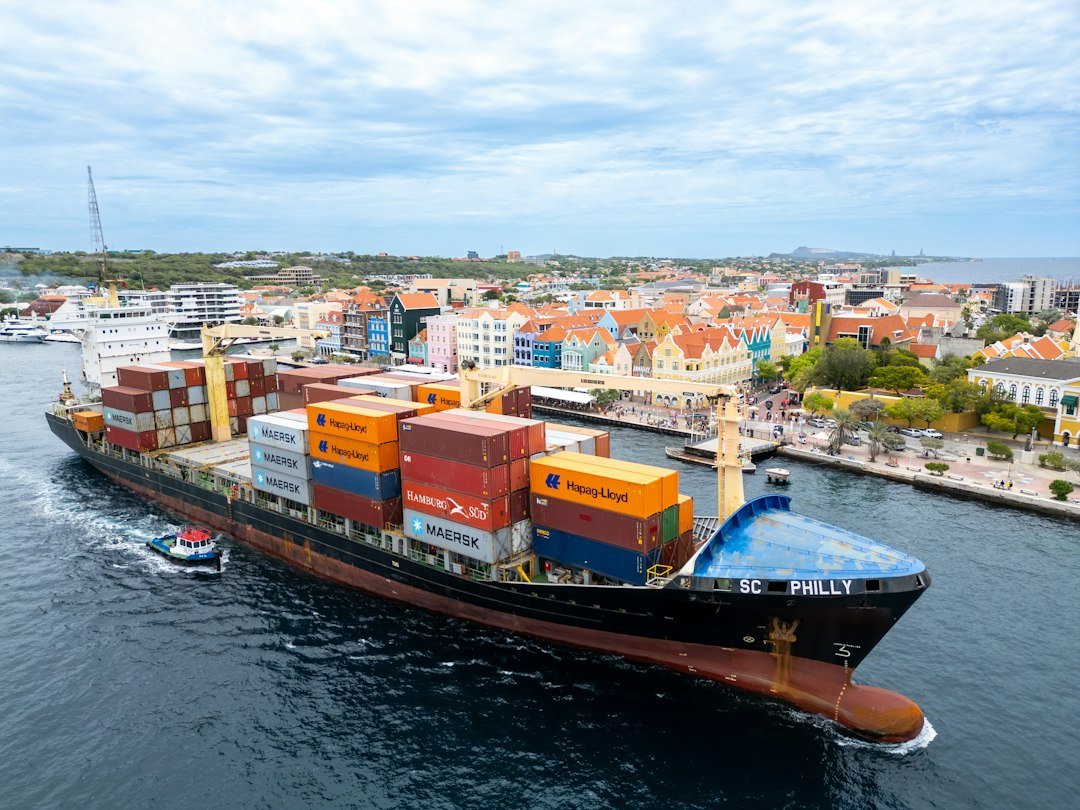
Caribbean countries will pay more to feed their populations for the rest of 2026. That is the warning from Damine Sinanan, chief executive of the Caribbean Export Development Agency. He spoke at the Caribbean Week of Agriculture 2026 in Trelawny, Jamaica. Rising energy and shipping costs are driving the increase, alongside stricter export rules and wider global trade disruptions.
Shipping has thinned out sharply. “Ship traffic has collapsed from 160 ships to six ships per day,” Sinanan said, describing the scale of the disruption facing regional ports and the knock-on delays it has caused for perishable cargo. The region’s agricultural import bill has already passed $5 billion. That is up 20% since 2022. Food and agriculture exports from the Caribbean fell 7% in 2025. That came after exports had peaked the year before. Sugar prices alone rose 11% in a single month this year.
New rules abroad are adding further pressure. EU deforestation regulations and US food traceability requirements are both raising compliance costs. Exporters trying to reach those markets now face more paperwork and higher costs than before. Hurricane Melissa disrupted supply chains further this year. It compounded problems that already existed before the storm hit.

Fragmented standards slow everything down
Sinanan pointed to a structural weakness behind the numbers. “We don’t have a regional code for SPS, so everybody has their own rules in the Caribbean region,” he said. He was referring to sanitary and phytosanitary standards, which govern food safety and plant health across borders. He proposed ten shared regional standards. He also called for a network of accredited laboratories, arguing that pooled testing capacity would cut costs for exporters currently navigating a patchwork of national rules.
For smaller producers, he suggested group certification, shared pack houses, and shared cool-storage facilities. Few individual farms can afford that kind of infrastructure alone. Currency and shipping pressures are not unique to the Caribbean. Costa Rica’s coffee farmers are losing income to a currency effect of their own. It is a reminder that small tropical exporters across the Americas face comparable structural exposure, even when the specific cause differs from one country to the next.
Where the opportunities lie
Sinanan named several products with genuine growth potential. These include turmeric, ginger, sea moss, gels and powders, and premium cocoa. He also suggested that sargassum, the seaweed that regularly fouls Caribbean beaches, could become a commercial product. At present it remains mostly an environmental nuisance that costs money to clear from tourist beaches each year.
Agri-tech investment areas he flagged include digital irrigation, water management, protected agriculture, testing, traceability, and drone use on farms. Target markets for Caribbean exporters include regional tourism, the United States, Canada, the European Union, the United Kingdom, and wider Latin America. Whether the region can act on his proposed regional standards before the next hurricane season arrives will likely determine how much of this year’s cost increase becomes permanent rather than temporary. Sinanan closed his remarks with a call for faster, coordinated action across Caribbean governments, warning that further delay would only raise the eventual cost of reform.