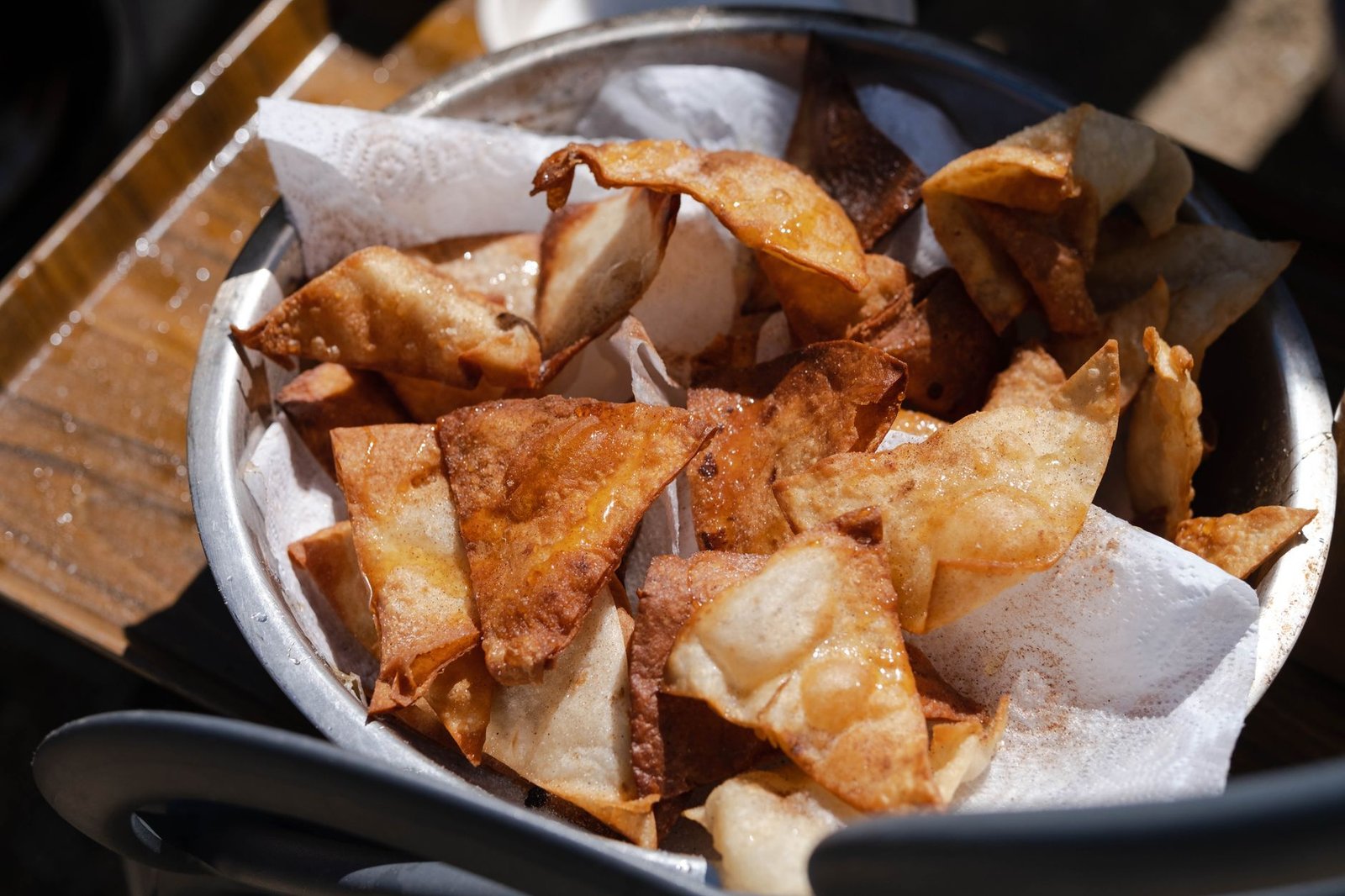
Karnataka’s government has ordered fried snacks, milk tea, carbonated drinks and heavily spiced dishes off the menu at official meetings and functions, replacing them with millet-based snacks, fresh fruit, sprouts and green tea. The order, issued in April, applies to in-house office meetings, larger government events and eateries operating within government office campuses statewide.
The Karnataka millets policy also bars high-sugar fruit juices, alcohol-based beverages, microwave-heated or processed food and drinking water served in plastic bottles. In their place, the order recommends brown rice instead of white, roasted unsalted nuts, seeds such as pumpkin and sunflower, low-fat buttermilk, and lean or white meat where non-vegetarian food is served at all. Water should come in glass bottles or steel flasks rather than single-use plastic containers.
Officials framed the change around the World Health Organization’s definition of health as physical, mental and social well-being, arguing that food typically served at government functions “is not necessarily healthy and does not promote a healthy diet.” The order also encourages departments to source catering from local industries and self-help groups, tying the nutrition push to small-scale rural livelihoods rather than treating it purely as a public health measure alone.

A small market with outsized influence
Government catering budgets are modest next to India’s overall food economy, but official functions set a visible example that health advocates have long argued shapes broader consumption norms over time. A government meeting serving millet snacks instead of pakoras is a small transaction, repeated often enough across thousands of offices, to register as a genuine shift in institutional food culture rather than a purely symbolic gesture.
Millets carry particular significance in South Indian food policy beyond their nutritional profile. The grains require less water than rice or wheat, tolerate poorer soils, and have deep roots in regional cuisine that predate the mid-20th-century shift toward polished rice as the dominant staple across much of South India. Promoting them at government functions functions as both a nutrition intervention and, implicitly, an argument for crops better suited to a warming, water-stressed climate that rice and wheat handle poorly.
Karnataka’s order sits within a longer state history of millet promotion that includes public procurement schemes and, separately, export incentives for horticultural produce grown alongside traditional grains. Officials have periodically pushed millet cultivation as a climate adaptation measure for farmers facing erratic monsoon rainfall, a policy thread that runs parallel to, but distinct from, the nutrition advisory governing what gets served at meetings.
Whether the order changes habits beyond government premises is a harder question than whether officials comply with it. Public health researchers have generally found that institutional food policies shift consumption most reliably among the people directly served, civil servants and meeting attendees in this case, with weaker evidence for spillover into household diets across the wider population. Karnataka has not published data on compliance or on whether local self-help groups have secured new catering contracts as a result of the order.
The policy sits alongside a broader South Indian nutrition landscape shaped by state-level pushes for millet-based public distribution and school meal programmes, part of a wider Indian effort to reposition traditional grains as a nutrition and climate response rather than a rural staple losing ground to processed alternatives. That regional pride in traditional food culture echoes a separate recognition this year of Kerala’s culinary heritage, when international travel guides named the neighbouring state’s food culture among the world’s best. For Karnataka’s civil service, the more immediate test is simpler: whether a change in what is served at government meetings survives contact with staff accustomed to their afternoon tea and pakoras.