
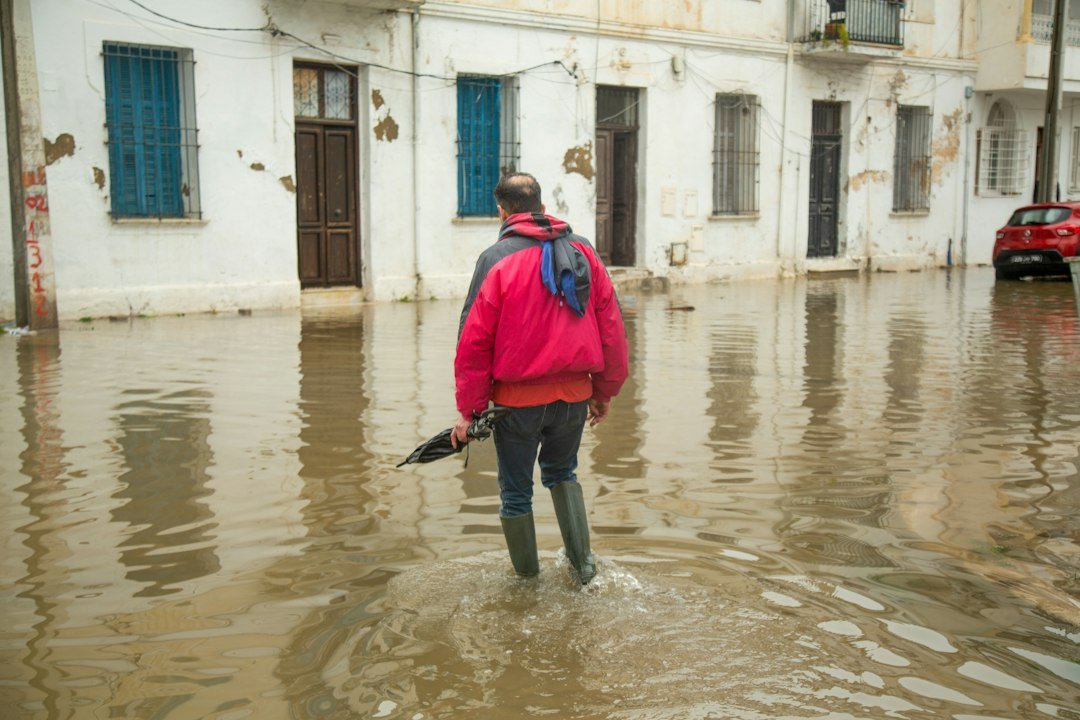
Record rainfall triggered deadly flooding and landslides in Myanmar’s southernmost Tanintharyi region in late September. The flooding affected 18,712 people across the region, according to figures reported by regional news outlets. Landslides in the south killed at least eight people, a local rescue worker said, and nine bodies had been pulled from one landslide site by the end of the month. Separate reports counted as many as 30 people missing in the first days after the rain began, a number that fell as rescue teams reached cut-off villages.
The town of Dawei, the regional capital, bore the brunt of the rain. Local media described it as the heaviest rainfall the town has recorded. Water rose fast enough to strand residents before rescue teams could reach them. Rescue efforts across the region have been hampered by a lack of heavy machinery. That has slowed the recovery of victims from landslide sites considerably.
Roads linking Tanintharyi’s towns were cut by the floodwater. Some communities were isolated for days as a result, with supplies reaching them only after crews cleared the worst-hit stretches by hand. The region sits along Myanmar’s southern coast. Seasonal rains there regularly test drainage systems built for lighter rainfall than the storms of recent years have delivered.

A season of compounding disasters
The flooding in Tanintharyi adds to a difficult year for flood-prone parts of Southeast Asia. Bangkok saw its own flooding displace hundreds of thousands of people in late September. The cause was a similar pattern: intense, concentrated rainfall overwhelming urban drainage. Thailand’s flooding killed at least 31 people nationally, according to figures gathered by groups that track disasters across the region.
Agricultural land in flood-affected areas typically takes weeks to recover, even after the water recedes. Waterlogged soil delays replanting. It can also wash away stored seed and fertiliser that farmers need for the next planting round. Tanintharyi’s farmers grow rubber, palm oil and rice. All three crops are sensitive to prolonged waterlogging. Full damage assessments for this year’s rains were still being compiled as of early October.
A wider pattern across the region
Myanmar’s flooding fits a broader pattern of climate-linked disasters stacking up across the Indo-Pacific this year. Tuvalu’s leaders have separately warned that climate finance for vulnerable nations must not add to their debt. That concern applies just as directly to storm-hit communities in Myanmar as it does to Pacific atolls facing rising seas, since both need money quickly and neither wants it arriving as a new loan.
Forecasters have flagged a developing El Niño pattern as one factor behind unusually heavy rainfall in parts of Southeast Asia this year, alongside drought elsewhere in the region. For Tanintharyi’s residents, the immediate task is clearing roads and reaching isolated villages. Longer-term recovery of farmland and rubber plantations will likely take considerably longer. Humanitarian groups working in the region say access remains the biggest obstacle to delivering aid, given the damage to roads and bridges across the worst-hit townships. Many of those bridges, officials say, will need to be rebuilt rather than simply repaired. Local administrators have asked the national government for emergency funds to cover both the rebuilding and the cost of replacing seed stocks lost to the floodwater.