
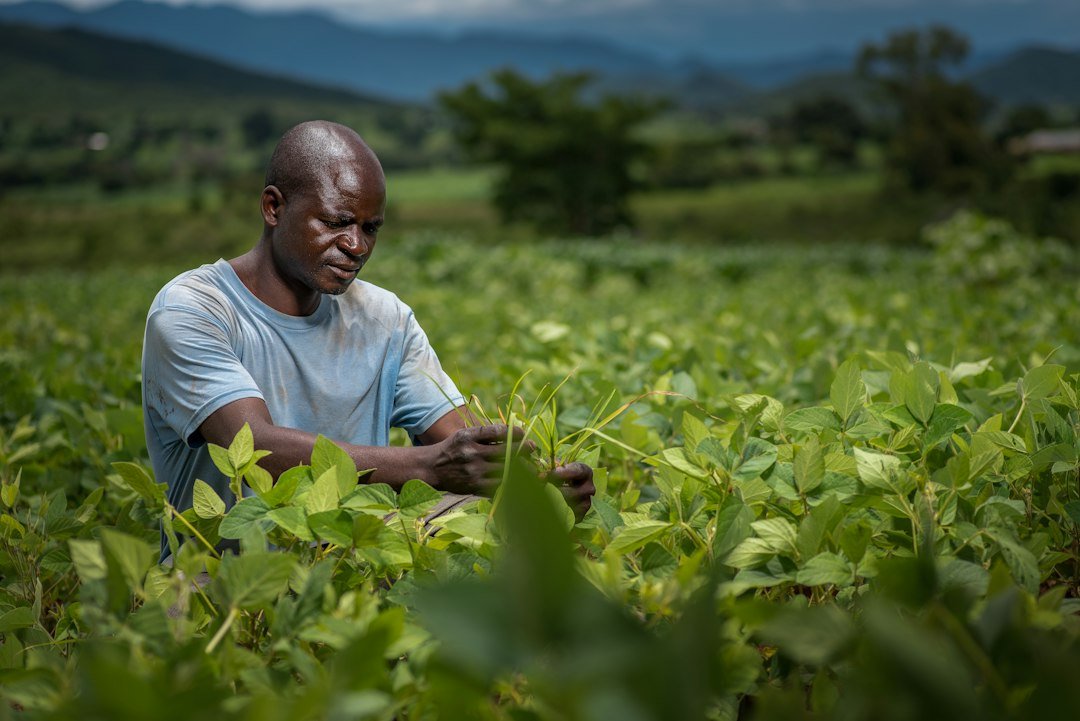
East Africa Foods has raised $40 million to expand the processing, storage and logistics network that connects more than 28,000 smallholder farmers in Tanzania and Kenya to urban retailers. The round combines $26 million in Series B equity with debt financing from the Schmidt Family Foundation.
The Series B was led by the Private Infrastructure Development Group through its InfraCo equity arm, with new investment from the Dutch entrepreneurial development bank FMO and the impact investor Oikocredit. Existing shareholders ARAF, Goodwell, Africa Eats and FINCA also reinvested, with EKTA Partners advising on the deal.
Founded in Tanzania in 2013, East Africa Foods runs an agri-logistics platform that buys produce from smallholders and distributes it to more than 10,000 urban retailers under consumer brands including Onja and Golden Banana. According to PIDG, the model has cut post-harvest food loss by about a third for the farmers it works with.

The new capital will expand processing and storage capacity, deepen the company’s digital ordering platform, and extend climate-smart training for the farmers who supply it. East Africa Foods plans to grow its supplier base to 100,000 smallholders within a few years, with 45% of them women, while pushing further into Kenya and exploring other East African markets beyond its current base.
Smallholders carry the risk of spoilage
Post-harvest loss is one of the costliest problems in East African food systems: produce rots in transit or storage before it reaches a buyer, and smallholders absorb most of that loss. By aggregating demand from thousands of retailers and investing in cold storage and logistics, East Africa Foods aims to shift that risk away from individual farmers and towards a platform with the scale to manage it.
That pitch has attracted a mix of development finance institutions and impact investors rather than venture capital alone, reflecting how agri-logistics in the region is increasingly financed as infrastructure rather than as a conventional tech start-up. PIDG’s InfraCo arm typically backs early-stage infrastructure projects in frontier markets, and its lead role in this round suggests agri-logistics platforms are increasingly being treated in the same category as roads, power or water systems.
The expansion plan also leans heavily on training alongside physical infrastructure. Climate-smart agriculture programmes aimed at smallholders typically cover practices such as soil management, water conservation and pest control tailored to a warming, more erratic growing season. Scaling that training to a target of 100,000 farmers would make it one of the larger such programmes run by a private agri-logistics company in East Africa, though the company has not given a timeline for reaching that figure, and it has not said how the training will be funded once the current round is spent.
Kenya and Tanzania’s food systems remain heavily dependent on smallholder output, and investors have increasingly targeted the supply chain infrastructure around farms rather than farms themselves. East Africa’s seed sector has drawn similar outside capital this month, and Nigeria is pursuing a parallel push to capture more value from its own farms through local processing, suggesting a broader pattern of investment moving toward the infrastructure between the farm and the plate across the continent.
For now, East Africa Foods’ expansion will be tested first in its home markets. Whether the platform can hold down food loss while scaling to 100,000 suppliers, across new countries, will determine whether this round of financing becomes a template for similar agri-logistics ventures elsewhere in the region.
The company has not disclosed a valuation alongside the round, and it did not say which additional markets beyond Kenya and Tanzania it is weighing for expansion. Those details, along with firmer timelines for the 100,000-farmer target, are likely to emerge as the new funding is deployed over the coming year. For a region where post-harvest loss has long eaten into smallholder incomes, even incremental gains in storage and logistics capacity could prove more consequential than the headline funding figure itself.