
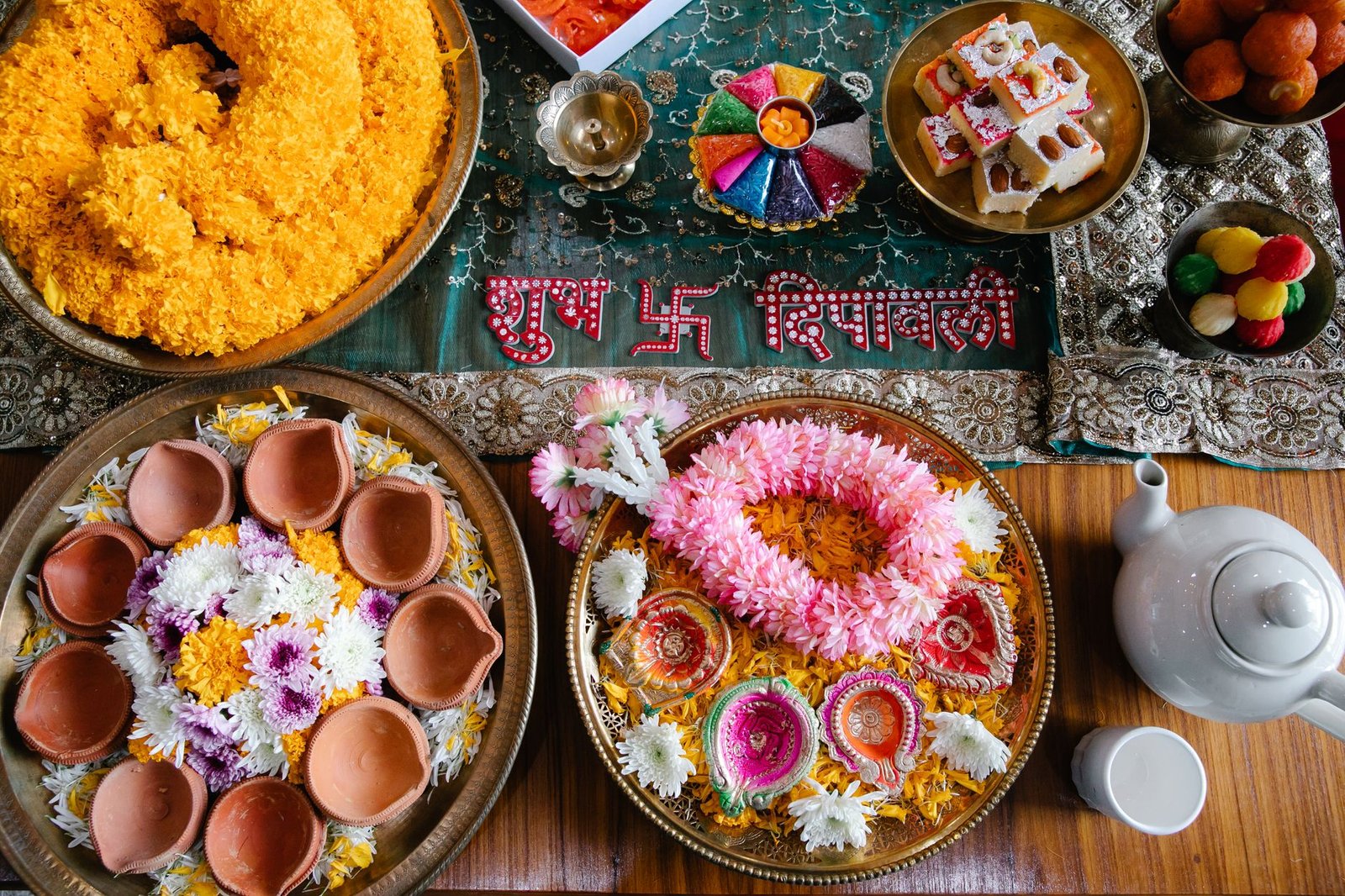
India’s Diwali food exports are on track for another strong season, led by buyers across the Gulf. A Trade Promotion Council of India (TPCI) survey of international importers found average seasonal growth of around 6% over last year. Some buyer groups expect more than 15%. The festival falls in mid-November this year, and orders are already moving through Indian ports.
The Gulf Cooperation Council is the leading destination for India’s festive food shipments, TPCI said. Kuwaiti buyers are driving the sharpest growth. One importer there reported a 28% year-on-year rise in orders for sweets, paneer, beverages, condiments, canned foods and dry fruits. Omani buyers are stocking up on rice, spices, masalas, pulses and pickles. Bahraini importers are focused on traditional festive sweets and savouries, a narrower but steady order book that repeats each festive season.
Traditional products remain the backbone of the trade. Kaju katli, laddoo, halwa, bhujia, mixture and murukku feature heavily in export orders, alongside staples such as rice, spices, ghee and pulses. Mohit Singla, TPCI’s chairman, called the season’s demand encouraging for India’s food and drink exporters. He said it could help shift shipments from bulk commodities towards branded, value-added products that carry higher margins.

Ready-to-eat exports are growing fastest
The sharpest growth is coming from convenience food, not traditional sweets. Exports of ready-to-eat and ready-to-cook products rose 16% to $2.4bn in the 2025-26 financial year, up from $2.1bn the year before. The category includes frozen snacks, festive mixes, prepared meals, curries, Indian breads and shelf-stable foods. European buyers are placing bigger orders for the same products. Some importers there reported growth of about 25%, according to TPCI.
European interest is concentrated in organic, vegan and health-oriented items. Those products have to clear the European Union’s food-safety and labelling rules before they reach supermarket shelves. Most Gulf-bound shipments do not face that bar, which is one reason Gulf orders move faster and at lower cost to exporters. Exporters still cite familiar constraints across both markets. Freight and container costs remain high on several Gulf and European routes. Customs delays can eat into the short shelf life of fresh sweets and snacks, cutting into margins that are already thin on low-cost staples. TPCI has urged exporters to invest in better cold-chain and packaging infrastructure to protect those margins as volumes grow.
Diaspora demand anchors the festive trade
The Gulf’s role is not accidental. Large Indian communities across Kuwait, Oman, Bahrain and the wider GCC create steady year-round demand for home-market brands. That demand spikes around Diwali, as families stock up on sweets and staples for gifting and entertaining. The built-in diaspora market gives Indian exporters a cushion. Buyers in more distant regions cannot match that steady base, even as exporters chase the faster-growing ready-to-eat segment further afield. It also explains why Gulf orders skew towards recognisable, home-style products rather than the adapted, health-focused lines that European buyers are asking for.
The pattern echoes broader shifts in South and Southeast Asian food trade this year. Vietnam’s rice exporters are adjusting to a changing mix of buyers as China overtakes established markets. In both cases, exporters are having to serve steadier, higher-value demand. Neither can simply rely on a single dominant buyer the way they once did.
TPCI’s survey points to a festive season that rewards diversification. Traditional sweets keep exporters’ order books full through the Gulf’s loyal diaspora market. The faster-growing convenience category, still a smaller share of total exports, offers the clearer route to higher margins over the next few years.