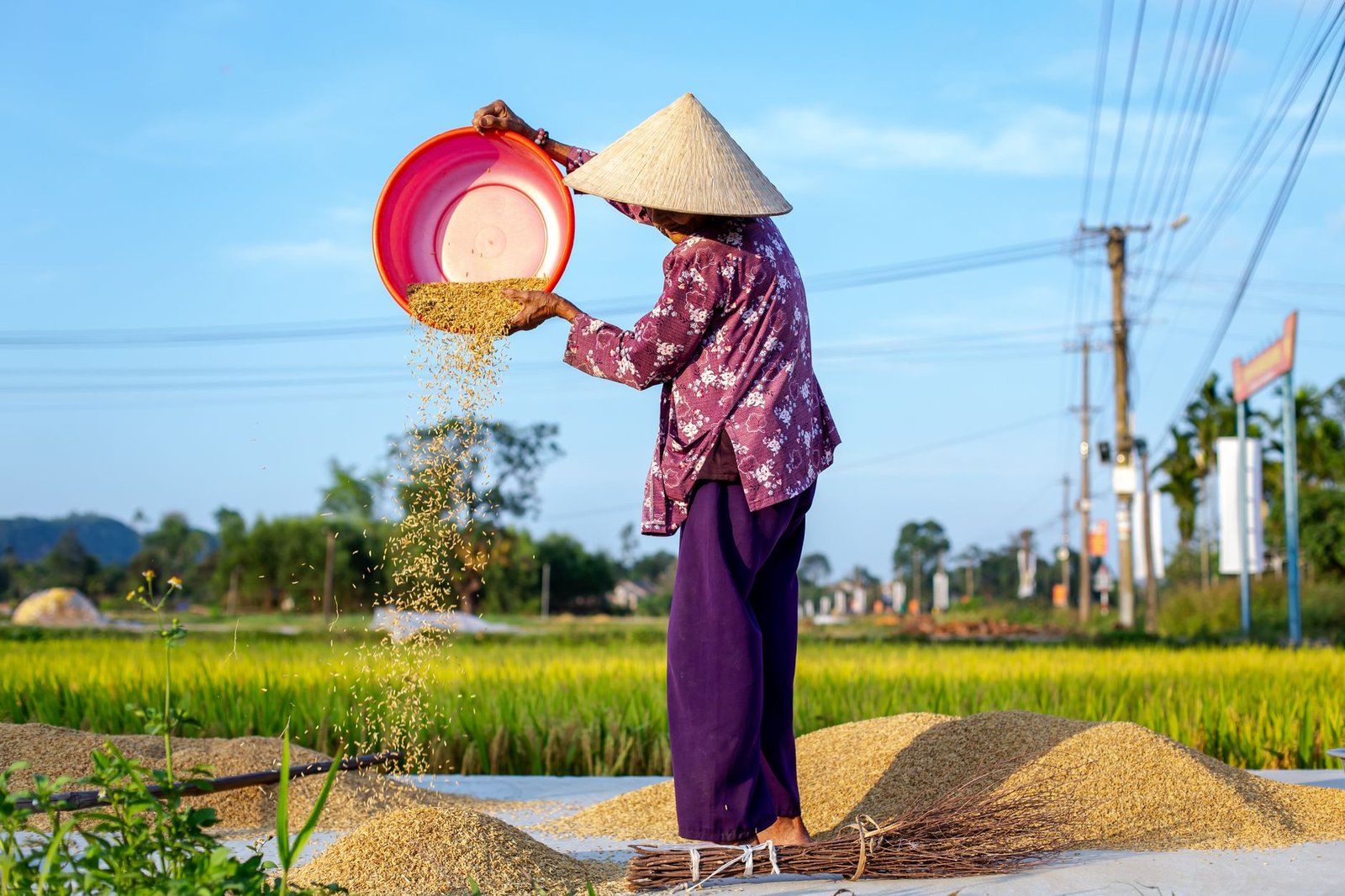
Vietnam exported 6.4 million tonnes of rice worth $3.11bn (about £2.37bn, at current exchange rates) in the first nine months of 2026. That is a 10.9% fall in value from the same period last year, according to trade data reported by Vietnam’s state news agency VNA and the outlet VietnamNet in the first week of October. China’s share of that trade rose sharply even as the Philippines, Vietnam’s largest buyer, bought less.
China’s purchases rose 76% in value over the period, lifting its share of Vietnam’s rice exports to 17.4% and making it the country’s second-largest market. The Philippines, long Vietnam’s top buyer, cut purchases by 16.8% in value. That drop was large enough to outweigh China’s gains and drag overall export earnings lower, despite the shift toward a higher-paying market for a smaller volume of rice.
Vietnam’s Ministry of Agriculture and Environment flagged the rising concentration of export earnings in fewer markets as a risk. It noted that heavier reliance on a small number of large buyers leaves exporters more exposed to a single country’s policy changes or import quotas than a more diversified customer base would allow.

A shifting buyer map
The Philippines’ pullback follows its own efforts to rebuild domestic rice stockpiles and manage import volumes amid fluctuating local harvests. That policy stance has varied over recent years, depending on domestic supply conditions. Indonesia and several African buyers also adjusted import volumes this year. Together, these shifts contributed to the overall decline in Vietnam’s export value, even as total shipped tonnage held closer to prior-year levels than the value figures suggest.
China’s growing appetite for Vietnamese rice reflects both proximity, which keeps freight costs low, and recent trade arrangements that have eased border procedures between the two countries. Vietnamese exporters have welcomed the Chinese market’s growth. But they also note that Chinese buyers tend to negotiate on narrower margins than some other markets. Higher volume, in other words, does not automatically translate into proportionally higher revenue for Vietnamese millers and traders.
Policy response under discussion
Vietnam’s agriculture ministry has not announced specific measures to diversify rice-export markets in response to the nine-month data. Officials have signalled interest in expanding trade with African and Middle Eastern buyers to reduce dependence on any single market. Vietnam remains one of the world’s top three rice exporters by volume, alongside India and Thailand. That gives it continued leverage in global price-setting, even as this year’s figures show the trade growing more concentrated rather than more diversified across buyers.
Full-year export figures are due from Vietnam’s General Statistics Office in January 2027. Those figures will show whether the shift toward China persisted through the final quarter of the year, or whether other markets recovered some of the ground lost since January.
What it means for rice-importing households
For buyers in markets such as the Philippines and parts of Africa, a more China-concentrated Vietnamese export book could mean less price competition working in their favour, since Vietnamese millers have a large, steady buyer willing to absorb volume at scale. Traders in Ho Chi Minh City say some smaller export contracts to African buyers have already seen longer negotiation times this year, as sellers weigh them against larger, faster Chinese orders.
Vietnamese farmers, for their part, have seen limited direct benefit from the shift so far, since farm-gate rice prices are set largely by domestic milling capacity and local harvest conditions rather than by which country ultimately buys the processed grain. The trend sits in contrast with Bangladesh, where food inflation has climbed for a second straight month, underlining how unevenly food-price pressure is spread across the region this quarter.