
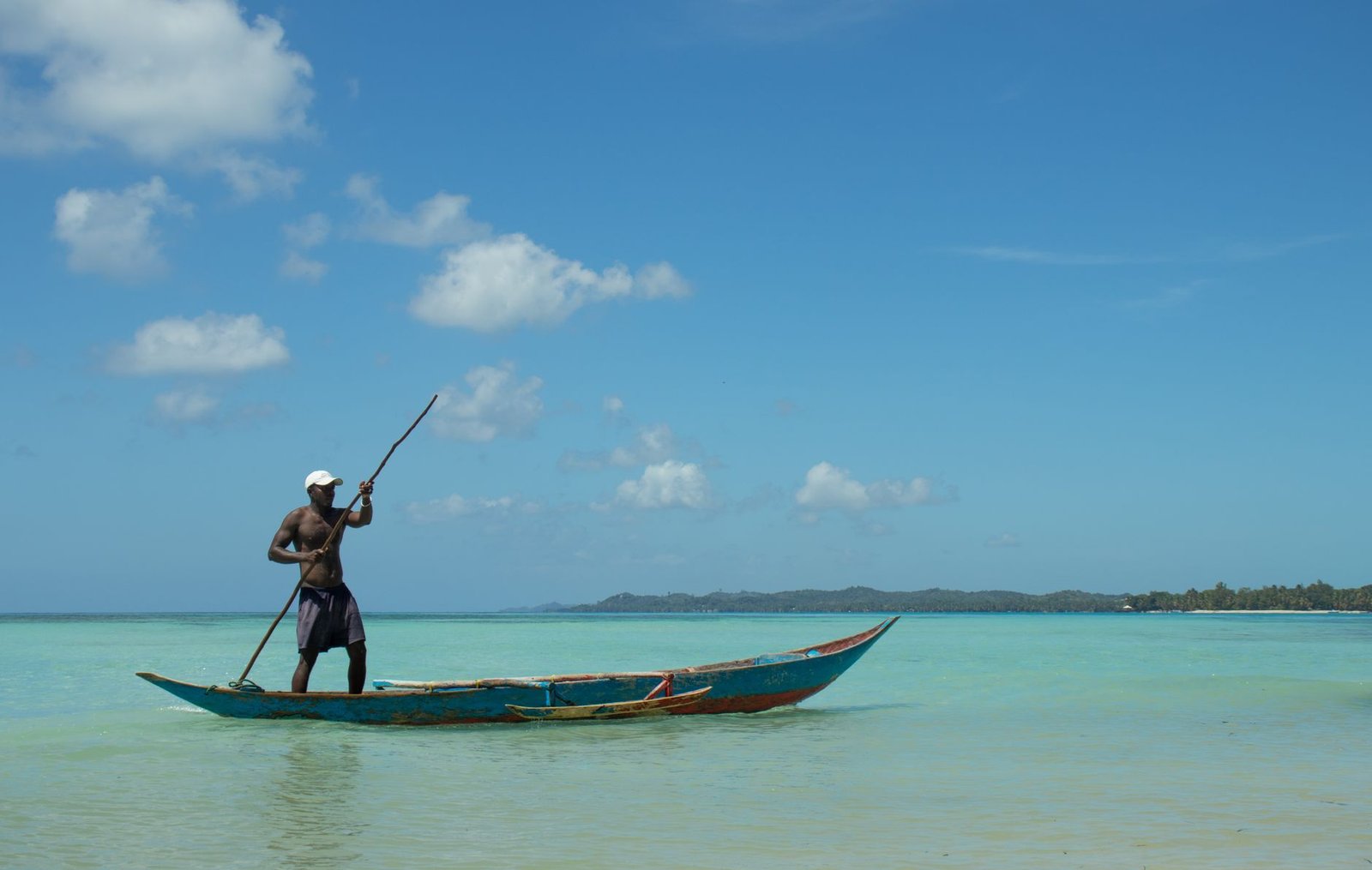
The Kei Islands in Indonesia’s Southeast Maluku will host the 2026 edition of Festival Pesona Meti Kei from 12 to 17 October. It is built around Wer Warat, a traditional communal fishing ritual timed to a rare tidal phenomenon known locally as Met Ev, according to Indonesia’s Ministry of Tourism event listings. The festival has run annually for six years and sits in the national Karisma Event Nusantara tourism calendar, which showcases regional cultural events to domestic and foreign visitors.
Wer Warat involves village communities stretching long lines of woven coconut-leaf fronds across shallow coastal water, then slowly drawing them toward shore. The moving fronds startle shoals of fish into shallower water, where they can be caught by hand or with simple nets. The method predates modern fishing gear in the archipelago. It is still practised as both livelihood and ceremony each time the right tide arrives.
The Met Ev tide is an unusually low tidal event specific to the Kei Islands’ coastal geography. It occurs only a handful of times a year, so the ritual is scheduled around it rather than a fixed calendar date. Indonesia’s state broadcaster RRI has reported that the festival is promoted as a model of community-based tourism, meant to support both cultural preservation and marine stewardship in the islands.

Ritual as resource management
Local tradition holds that Wer Warat is as much about managing the sea’s resources sustainably as it is about catching fish. The method excludes industrial nets or boats and leaves breeding grounds undisturbed. Anthropologists who study Maluku’s coastal communities say communal fishing rituals of this kind historically functioned as informal conservation practices. They limited catch to what a community could consume or trade locally, rather than extracting at a scale that could exhaust nearby reefs.
Festival organisers are promoting the 2026 edition as a draw for domestic and international visitors to the Kei Islands, a relatively remote archipelago reachable mainly by air from Ambon, the Maluku provincial capital. Local tourism officials see the event as a way to diversify the islands’ economy beyond fishing and small-scale agriculture, which remain the two main sources of income for most Kei households.
Part of a wider indigenous-knowledge push
The festival’s timing coincides with growing policy interest across Indonesia in formally recognising indigenous ecological knowledge within national conservation and fisheries planning. That interest follows years of advocacy from community groups in Maluku and Papua. Whether Wer Warat itself receives any formal government protection or funding beyond the tourism festival has not been announced. Community elders say they would welcome clearer recognition of the practice in national fisheries policy.
Organisers have not released visitor numbers from previous editions. The six-day event’s exact daily schedule, including which villages will perform the ritual, is expected to be confirmed closer to the opening date on 12 October.
A model other islands are watching
Officials from neighbouring island districts in Maluku have visited past editions of the festival to study how Southeast Maluku pairs a living ritual with organised tourism, according to regional tourism reporting. Several have explored similar festivals built around their own local fishing or harvest customs, though none has yet matched Meti Kei’s six-year run in the national events calendar.
For Kei Islanders themselves, organisers say the priority remains keeping Wer Warat intact as a living practice passed between generations, rather than letting it become a staged performance disconnected from the communities that still rely on the technique for part of their catch.
The festival’s timing echoes a wider pattern across South and Southeast Asia this October, where religious and harvest festivals are prompting fresh debate over food and tradition, from Indonesia’s coastal rituals to Bengal’s Durga Puja feasts.