
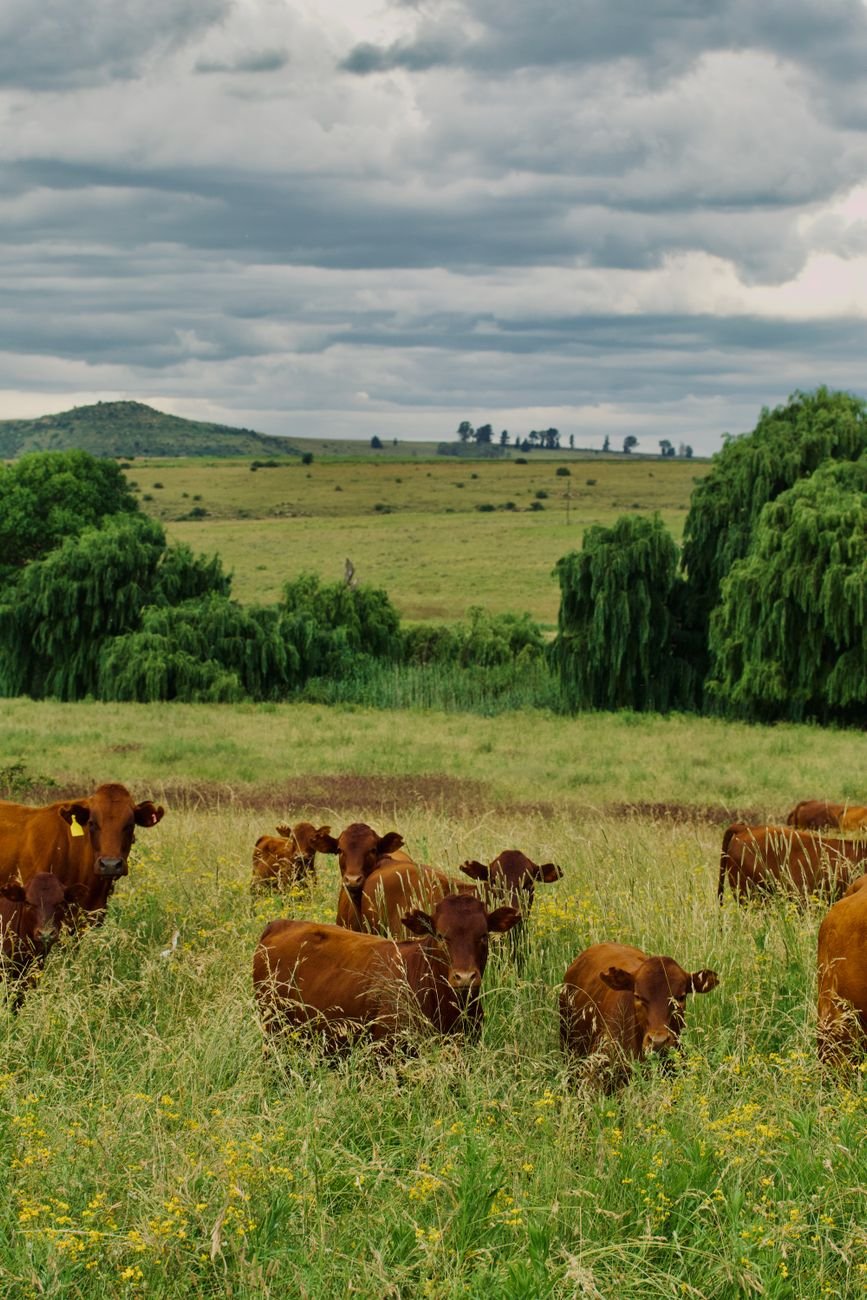
The European Union has temporarily suspended imports of fresh meat from cattle, sheep and goats raised in Namibia, after the country confirmed its first foot-and-mouth disease outbreak in its primary commercial livestock zone in 60 years.
Namibia declared the outbreak in its southern livestock zone on 22 September 2026. It has since spread to 11 farms, prompting a nationwide ban on livestock movement and meat exports while the government intensifies surveillance, tracing, testing and biosecurity measures, including veterinary roadblocks. The EU delegation’s suspension, announced in early October, also covers meat from other farmed and wild hooved animals and some processed products, though processed meat that has undergone the most severe risk-mitigating treatment remains eligible for entry.
Namibia had gone six decades without a confirmed outbreak in its commercial zone, a record that underpinned its standing as one of the few African beef exporters with largely unrestricted access to European markets. That history is part of why the current outbreak carries weight beyond its immediate scale: 11 farms is a small fraction of Namibia’s livestock sector, but the disease-free status that took sixty years to build can be lost far faster than it was earned.

A market Namibia cannot easily replace
The EU is Namibia’s largest beef market by far, taking more than 80% of the country’s beef exports and importing about 10 million kilograms of Namibian beef a year, according to figures given by EU ambassador Ana Beatriz Martins. Roughly 40,000 jobs in Namibia are tied directly to exports to Europe, and Martins estimated that a quarter of them, around 10,000 positions, are now at risk while the suspension holds. Romeo Muyunda, a spokesman for Namibia’s agriculture ministry, described the government’s response to international media, pointing to the movement controls and biosecurity steps already under way.
Namibia is not alone in facing the disease this year: foot-and-mouth has also been reported in Botswana, Eswatini, Lesotho, Mozambique, South Africa, Zambia and Zimbabwe, part of a wider regional pattern that complicates any single country’s efforts to reassure trading partners quickly that its own herds are clean. When an entire region is managing outbreaks simultaneously, importers tend to treat the risk as systemic rather than country-specific, which makes the case for a swift, well-documented recovery even more pressing for Namibia specifically. The EU describes its own suspension as temporary, though it has not set a timeline for lifting it, and outbreaks of this kind have proved costly to contain before: the EU’s own 2001 foot-and-mouth crisis led to the culling of more than six million animals before it was brought under control, a scale of response far beyond anything Namibia’s 11 affected farms currently require, but a reminder of how quickly containment costs can escalate if an outbreak is not brought to heel early.
For Namibia, a country that built a reputation for disease-free beef exports over decades, the outbreak threatens immediate trade and the credibility that took years to establish with European buyers alike. The government’s nationwide movement ban shows it is treating containment as the priority over short-term trade continuity, a trade-off that will cost exporters and the rural communities who supply them in the meantime. How quickly Namibia can demonstrate the outbreak is under control, through verified testing and zoning that satisfies EU veterinary authorities, will determine whether this suspension is measured in weeks or stretches on long enough to let competitors in other beef-exporting countries claim a permanent share of the European market Namibia is currently losing. Nearby in the Okavango Delta, researchers are tracking a subtler strain on the region’s wildlife, after a rare egret abandoned several of its usual breeding sites this year.



